Insulation: Should you insulate an interior stone wall?
Hello, this is Claude. The answer is clear: yes, you need to insulate an interior stone wall to improve thermal comfort and save energy. A thick stone wall doesn’t guarantee good insulation because its high density limits the presence of still air, a key element of thermal insulation. Do it immediately.
- Check the condition of the joints and plaster to detect any water infiltration.
- Diagnose the wall’s moisture level before any insulation work is carried out.
- Choose a bio-based insulation that allows the stone to breathe (wood wool, hemp, cork).
- Provide a ventilated air gap between the wall and the insulation to prevent condensation.
- Plan for appropriate ventilation (such as a humidity-controlled mechanical ventilation system) to remove residual humidity.
These steps are essential for a successful construction project. You’ll find more practical advice in this article on insulating stone walls and in this comprehensive guide on Effective solutions for insulating a stone wall.
Why is thermal insulation essential for an interior stone wall?
Stone walls are known for their aesthetic appeal and strength, but they are not good thermal insulators. Their high thermal inertia delays the penetration of cold or heat, but after several hours, the outside temperature eventually transfers to the interior. Thus, a 60 cm stone wall offers a thermal resistance of only about 0.3 m².K/W, far from the 4 to 7 m².K/W recommended by current regulations.
This situation leads to significant heat loss, often on the order of 20 to 25% for uninsulated stone walls. Result: soaring heating bills, marked thermal discomfort and an increased risk of humidity inside, amplified by poor management of thermal bridges.
Stone, a wall that breathes
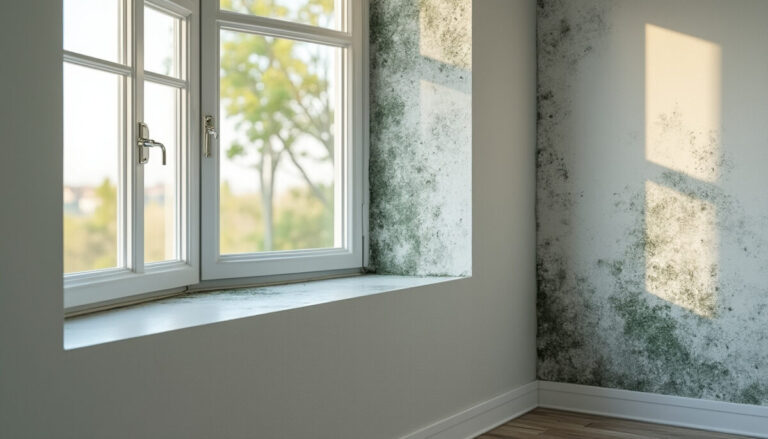
The real challenge lies in the very nature of stone. These walls are microporous and breathable, meaning they allow water vapor to pass through. Blocking this breathability with unsuitable insulation, such as polystyrene, creates a condensation trap where mold and deterioration quickly take hold. Therefore, it is essential to use natural, breathable insulation materials specifically designed for stone to protect your building and ensure lasting comfort.
How to effectively insulate an interior stone wall?
Two main solutions exist: internal thermal insulation (ITI) and external thermal insulation (ITE). Here, ITI is often preferred when the stone facade needs to remain visible or is in a protected area, while ITE offers the best overall thermal performance.
Interior thermal insulation: what you need to know
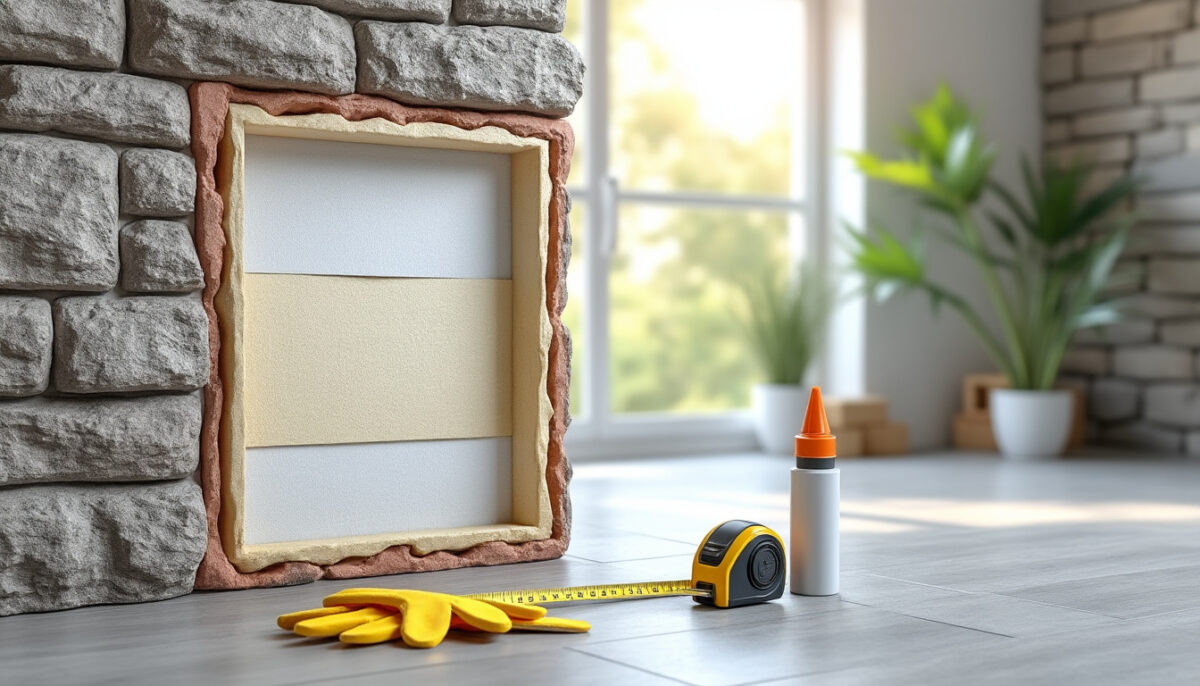
Interior insulation (ITI) involves installing insulation on the interior side, between the wall and a finishing partition. The key is to follow a few essential rules:
- Assess and treat the moisture before installing any insulation.
- Install a hygrovariable vapor barrier that regulates ambient humidity.
- Create a ventilated air gap of 2 to 3 cm between the wall and the insulation, particularly if the wall is damp.
- Use a timber frame, ideal for its breathability and hygroscopic properties.
- Choose a bio-based insulation such as wood wool, hemp or cork.
Despite the slight loss of living space (10 to 15 cm), this method is accessible, quick, and avoids facade work. It’s an effective solution for controlling heat loss and restoring true thermal comfort without compromising the charm of your home.
External thermal insulation: strengths and limitations
External thermal insulation (ETI) envelops the stone wall, eliminating thermal bridges and protecting the stone’s thermal mass. This option preserves interior living space and maximizes energy efficiency. However, it is more expensive, requires planning permission, and alters the exterior appearance, which can be problematic in certain protected areas.
The choice between ITI and ITE therefore depends as much on the budget as on architectural and administrative constraints.
The best insulation materials for an interior stone wall
You must absolutely avoid synthetic insulation materials like polystyrene, which block water vapor and contribute to moisture problems. Here is a list of bio-based insulation materials to favor:
- Wood wool : very good breathability, high-performance insulation and easy to install.
- Hemp : absorbs moisture without deteriorating, excellent for old walls.
- Expanded cork : rot-proof, ideal for use in damp rooms.
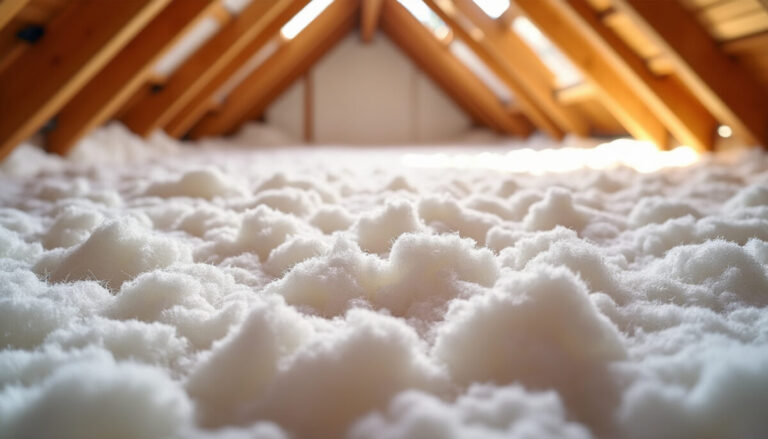
- Cellulose wadding : excellent humidity regulation, for blown-in or panel use.
- Lime-hemp insulating plaster : for thermal corrections on thin walls.
This selection guarantees the breathability of the wall and prevents the formation of thermal bridges and condensation.
| Criteria | Interior insulation (ITI) | External insulation (EWI) |
|---|---|---|
| Average cost | €60-150/m² | €100-200/m² |
| Loss of living space | Yes (10 to 15 cm) | No |
| Yes | No | |
| Elimination of thermal bridges | Risks to manage | Very effective |
| Applicability in protected sectors | Yes | Often limited |
What pitfalls should you avoid and what tips can ensure a successful construction project?
Before installing your insulation on a stone wall, carefully analyze the condition of the masonry, paying particular attention to the presence of moisture and the state of the mortar joints. It is necessary to treating rising damp and prevent any vapor blockage to avoid mold and efflorescence.
As one specialist craftsman points out: “Respecting the breathable nature of the stone guarantees the longevity of the renovation.”
If your wall is very damp, create a ventilated air gap and drainage at the base of the wall. If the walls are dry, a glued installation with a variable vapor barrier is possible.
Finally, don’t neglect your home’s ventilation. A high-performance mechanical ventilation system will reduce the risk of persistent humidity and optimize your renovation.
Quick examples to help you choose better
If it is a listed house with an exposed facade, prioritize interior insulation to preserve the aesthetics while significantly improving thermal comfort.
If the house is outside the protected area and you are aiming for optimal performance, well-designed exterior insulation will offer greater efficiency in the long term.
More practical tips for improving comfort and avoiding common insulation mistakes are available on this website dedicated to best practices. avoid common insulation mistakes in old buildings.
Is it possible to insulate a stone wall yourself?
Some tasks can be carried out DIY-friendly, such as installing the timber frame. However, to benefit from financial assistance and avoid mistakes, it is recommended to use a RGE-certified professional.
What type of insulation should I choose for a damp stone wall?
Bio-based insulation materials such as cork or hemp, combined with a ventilated air gap, are suitable for walls with some moisture. Prior treatment of the moisture is essential.
Should a vapor barrier be installed on a stone wall?
Yes, but it absolutely requires a hygrovariable vapor barrier that adapts to the ambient humidity. It prevents condensation while allowing the stone to breathe.
What thickness of insulation should I use?
For good thermal comfort, a thickness of 10 to 14 cm of bio-based insulation is often recommended. This allows for a good R-value while optimizing living space.
Is it possible to keep the stones exposed inside?
Technically, it’s complicated with interior insulation. The ideal solution for exposed stone is often exterior insulation or the use of a lime-hemp plaster as a thermal corrector.
Thank you for your interest; Claude