Eco-friendly actions: before isolating, this reflex changes everything
Hi, this is Claude. Before insulating your house, it’s absolutely essential to identify the sources of heat loss. This simple step optimizes the effectiveness of the insulation, saves energy, and increases thermal comfort in the long term.
To do immediately
- Perform a thermal diagnosis to identify heat leaks.
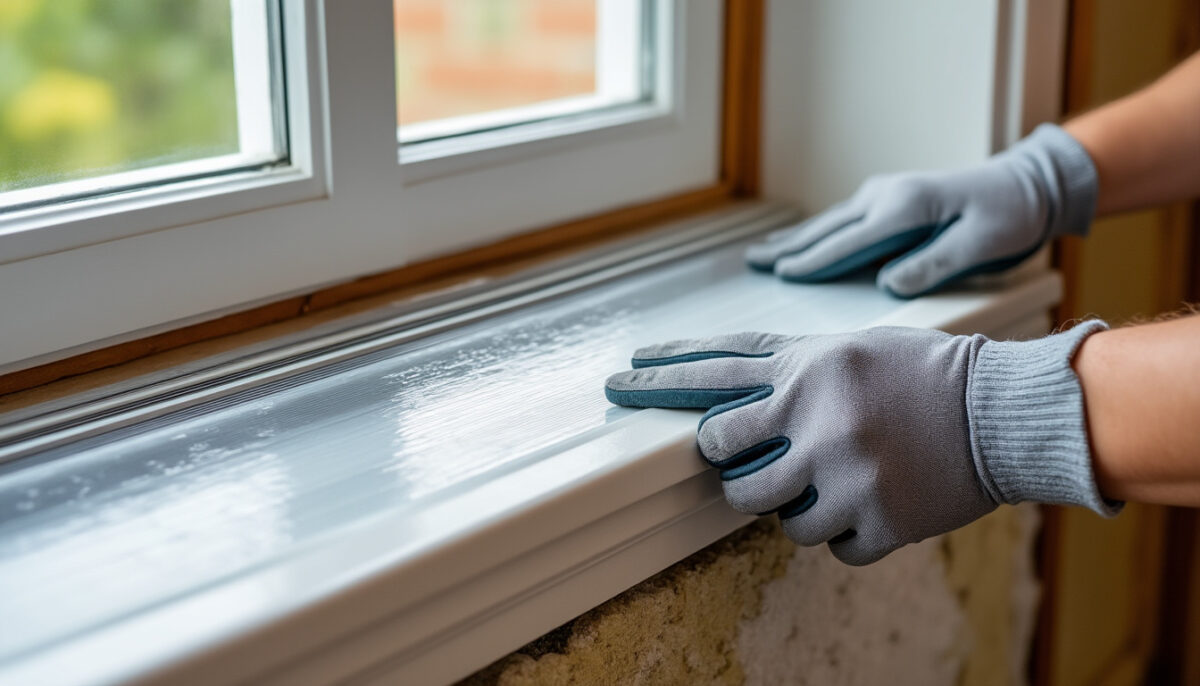
- Check that the windows and doors are airtight.
- Seal any unnecessary air leaks and fill any cracks.
- Install weatherstripping on the openings to limit drafts.
- Use insulating curtains as a supplement before insulation.
This assessment is the first step to ensure the insulation is truly effective. Without it, you risk wasting money and resources. Discover more tips in our A complete guide to eco-friendly actions and learn how to properly prepare your home for summer and winter thanks to the advice of Energy Label.
Why this reflex changes everything for insulation
Insulating without identifying thermal leaks is like treating a problem without a diagnosis. Every wing, every wall, every poorly sealed joint reduces overall efficiency. Depending on your home’s design, heat loss can account for 20 to 30% of total energy consumption. Addressing these issues early on significantly reduces the need for insulation, thus lowering costs and environmental impact.
For example, an older, poorly insulated house should start by addressing the seals and windows before installing expensive interior insulation. If you live in a newer building, checking for airtightness is also crucial: good insulation doesn’t compensate for poor ventilation or untreated thermal bridges.
The 3 steps for an effective action before insulation
- Step 1: Conduct a thermal audit (you can hire a professional or use an infrared thermometer for key points).
- Step 2: Seal identified weak points, such as windows, doors, poorly placed ventilation grilles or cracks.
- Step 3: Install additional protection (thermal curtains, insulating films on windows) before tackling the insulation of walls and attics.
Eco-friendly practices to prioritize in your home for greater sustainability
Beyond insulation, focus on simple actions that combine energy savings and environmental responsibility. Reducing waste, for example, indirectly influences your overall energy consumption.
- Reduce heating use whenever possible by adopting programmable thermostats.
- Opt for ecological, recyclable or bio-based insulation materials.
- Limit the temperature to 19-20 °C in winter, which is sufficient for usual thermal comfort.
- Clean heating systems regularly to maintain their optimal performance.
- Opt for low-consumption electrical equipment and avoid overconsumption related to devices in standby mode.
Habits to adopt to reduce bills and carbon footprint
| Action | Impact on energy savings | Environmental benefits |
|---|---|---|
| Locate and seal air leaks | Up to 30% savings on heating | Reduction of greenhouse gas emissions |
| Install high-performance insulation after diagnosis | Reduction of up to 50% in heat loss | Reduction in overall energy consumption |
| Use low-energy equipment | Savings of several hundred euros per year | Less dependence on fossil fuels |
A little tip: some homes are equipped with smart meters that can detect abnormal overconsumption of heating or electricity. This avoids many unpleasant surprises at the end of the year.
One last piece of motivational advice
“The biggest impact comes from starting with the basics.” This phrase sums up the approach: before investing in costly renovations, understanding where heat is actually going will yield tangible results, both for your energy bill and for the planet. When you consider that meeting climate agreements will require halving domestic energy consumption, every little bit helps.
Why carry out a thermal diagnosis before insulating?
A thermal assessment precisely identifies points of heat loss. Insulating without this assessment often wastes resources on the wrong areas.
What materials should be preferred for eco-friendly insulation?
Bio-based insulation materials such as hemp wool, cellulose wadding or cork offer a good compromise between performance and durability.
How to reduce energy loss around windows?
Installing weatherstripping, using thermal curtains and ensuring the airtightness of joints are simple and effective actions.
Can eco-friendly actions really reduce heating bills?
Yes, generally when applied correctly, they can save up to 30% on heating, depending on the type of housing and the quality of the insulation.
What mistakes should be avoided before isolating?
Neglecting to seal air leaks and underestimating ventilation can significantly reduce the effectiveness of new insulation.
Thank you for your interest; Claude