Eco-friendly actions: this bad green purchase is noticed too late
Hi, this is Claude. The worst green purchase to absolutely avoid? Thinking that a product labeled “eco” is necessarily good for the planet. The real eco-friendly action is to always check the actual impact before buying, so you don’t fall for costly and ineffective greenwashing.
To do immediately:
- Learn to distinguish a truly eco-friendly product from a bad purchase disguised as “green”.
- Prioritize sustainable consumption by favoring local and quality products.
- Reduce your consumption by avoiding the purchase of unnecessary products.
- Stay informed about eco-friendly practices regularly through reliable sources.
To deepen your understanding of the real actions to take and to understand why small, eco-friendly gestures aren’t enough, feel free to browse this practical guide to eco-friendly actions as well as the in-depth analysis on the limits of small gestures in ecologyThese resources help you avoid the pitfalls of overly simplistic concepts and adopt truly responsible consumption.
Recognize the bad green purchase before it harms your environmental impact
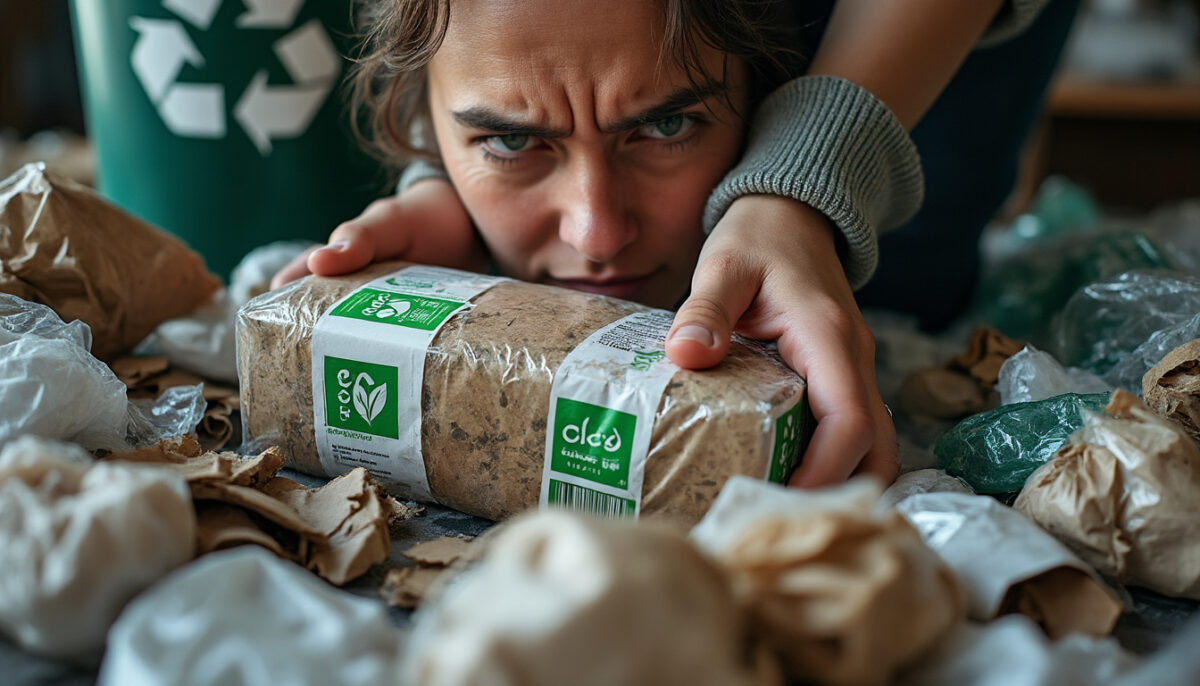
The most common trap is buying a product labeled “eco-friendly” without understanding what that actually means. Many of these items are victims of greenwashing: attractive packaging, but a manufacturing process or end-of-life that is harmful to the environment. Knowing this trap helps avoid a truly bad purchase. For example, so-called recyclable plastics are actually only recycled at an average rate of 26%, with the rest ending up in incinerators. This bad habit inflates the impression of acting sustainably, while the environmental impact remains far too high.
Responsible consumption: more than just a buzzword
Eco-friendly actions aren’t about multiplying symbolic gestures, but about reducing purchases to the essentials. Buying less, but better, means concretely decreasing resource demand and limiting waste. When you commit to sustainable consumption, you pay attention to the origin of products, their lifespan, and their recyclability. An example? Many households have improved their waste management by starting with limiting the purchase of over-packaged food; this simple change often triggers a cascade of eco-friendly actions such as buying in bulk or composting.
What you can do to avoid falling into the trap of greenwashing
Companies are banking on a “green” image to sell at higher prices. So, how can you avoid making a bad purchase? Three key steps can guide you:
- Step 1: Challenge labels and claims. Look for recognized certifications and transparent information on composition and manufacturing.
- Step 2: Check the product’s life cycle. A good green purchase takes into account the source, use, and end of life.
- Step 3: Opt for second-hand or repair items to extend the lifespan of objects and reduce waste.
5 keys to strengthening your eco-responsible approach
- Reduce your needs before you buy; simplicity is often the best option.
- String together small actions to create a lasting virtuous circle.
- Don’t get discouraged, eco-friendly actions taken together strengthen the impact.
- Consult reliable sources and question business practices.
Example comparison table: genuine green purchase vs. bad green purchase
| Criteria | Responsible green purchasing | |
|---|---|---|
| Origin | Local, traceable, sustainable | Undetermined, polluting production |
| Composition | Recyclable, natural materials | Non-recycled plastic mixtures |
| Lifetime | Long, repairable | Short-term, disposable |
| Packaging | Minimal, compostable | Over-packaging, non-recycled plastic |
| Total impact | Increased waste and water consumption |
Why some eco-friendly actions are not always useful
Reducing waste is a priority, but we must recognize that certain actions, such as washing your garbage bag or systematically rinsing containers with plenty of water, can have a negative impact by unnecessarily increasing water consumption. We should also mention biofuels, which, despite their clean image, divert significant agricultural resources, threatening global food security. These examples show that eco-responsibility isn’t something that happens by chance. Your awareness of these nuances makes all the difference.
Practical cases
If you consume a lot of packaging, start by strictly sorting your waste and prioritize buying in bulk. If you’ve already adopted this eco-friendly practice, try repairing and reusing items before buying anything new.
Small gestures, big effects: the power of gradual commitment
Eco-responsible behavior doesn’t always stem from a big, instant change. Often, a first small step, like composting or buying in bulk, triggers a domino effect. This approach allows you to engage in more comprehensive and concrete sustainable consumption. By gradually developing these habits, you build a lifestyle that significantly reduces your environmental impact in the long run. As the simple proverb says, “A journey of a thousand miles begins with a single step.”
What constitutes a bad green purchase?
It is a purchase presented as ecological but whose real environmental impact is low or negative, often due to greenwashing.
How to avoid greenwashing in products?
Check for certified labels, transparency about origin and prioritize sustainability over appearance.
Can eco-friendly actions really make a difference?
Yes, especially when they follow one another to create a lasting change in your consumption habits.
Why is local consumption so important?
It reduces transport, conserves resources and promotes environmentally friendly production.
Is reusing always better than buying new?
Yes, because it extends the lifespan of objects and limits waste production.
Thank you for your interest; Claude