Insulation: poor roof, savings almost impossible
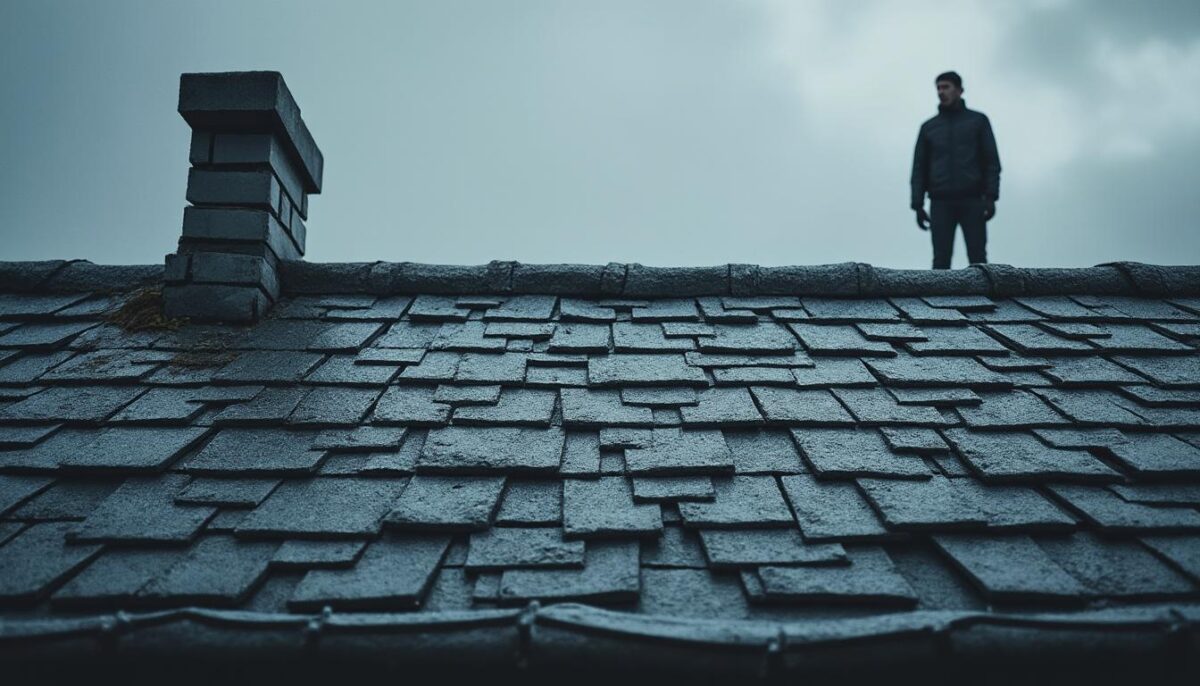
Hello, this is Claude. If your roof is poorly insulated, saving energy becomes very complicated, or even almost impossible, without a major renovation project.
A poorly insulated roof allows heat to escape between 25 and 30% of the heat of your house, which reduces the energy efficiency of your home and increases heating bills. To reverse this trend, it is crucial to address insulation, whether from the outside or the inside, by choosing the right materials and techniques suited to your situation.
To do immediately:
- Assess the current state of your roof insulation to identify major weaknesses.
- Consult a professional for an energy assessment and a realistic quote.
- Research the financial aid options tailored to your project to reduce the cost.
- Prioritize the elimination of thermal bridges, which are a real source of heat loss.
- Urgently insulate critical areas such as sloping ceilings or unused attics.
To learn everything about roof insulation techniques, go to this complete guideTo identify the most effective materials for low-performance roof insulation, also explore the options offered on this page.
Poor roof insulation: why is saving money difficult?
When the roof is poorly insulated, heating the house becomes a real financial drain. Heat escapes easily through poorly insulated roofs, especially if the insulation technique is inadequate or the materials are old. It’s a vicious cycle: you heat more, you spend more, without necessarily gaining in comfort.
In these cases, the main obstacle is the presence of thermal bridgesThese correspond to areas where the insulation is interrupted, often around rafters or roof-wall junctions. Even with insulation, if these bridges are not treated, heat loss remains significant.
The thin layer of insulation, often chosen to save space, also negatively impacts thermal efficiency. A thin layer is insufficient to prevent heat loss. This either limits energy savings or requires increasing heating, which significantly increases bills.
If it’s a thin flat roof
Exterior insulation is generally recommended to avoid leaks and improve performance. However, be mindful of the cost and time involved, especially if the roof needs to be completely replaced.
If it’s a pitched roof without insulation
Insulating from the inside with a good thickness of insulation placed between and on top of the rafters can greatly improve comfort and limit heat loss.
A 3-step procedure to maximize savings through improved roof insulation
- Step 1: Have a precise thermal audit carried out to target the weak points of the roof, in particular the thermal bridges.
- Step 2: Choose a suitable technique: exterior insulation to eliminate thermal bridges, or interior insulation to limit costs and time, with insulation materials adapted to the best thickness/performance ratio.
- Step 3: Benefit from financial aid (MaPrimeRénov’, eco-PTZ…), which is often conditional on the work being carried out by qualified professionals.
Material selection based on thermal performance and cost
| Type of insulation | Thermal performance | Average cost | Benefits | Disadvantages |
|---|---|---|---|---|
| Glass wool or rock wool | Good | Low to medium | Good value for money, easy to install | Less environmentally friendly, sensitive to humidity |
| Bio-based insulation materials (hemp, cellulose wadding) | Very good | Medium to high | Environmentally friendly, regulates humidity | Higher cost, more technical installation |
| Expanded polystyrene or polyurethane | Excellent | Pupil | Very high insulating power, low thickness | Less environmentally friendly, sensitive to fire |
A concrete step against energy poverty and overconsumption
Insulating your roof is an effective way to combat energy inefficiency. Beyond comfort, it also addresses social issues. According to the French National Observatory for Energy Poverty (ONPE), 20% of French people experience cold in their homes during winter, often due to insufficient insulation. Addressing the roof can reduce this figure and allow everyone access to healthier housing.
As one industry expert says, “good insulation is the first barrier against energy loss” — a truth that today’s inflationary context makes even more crucial.
Thus, even if a low-insulation roof limits potential savings, a well-executed project can restore comfort, reduce bills and lessen environmental impact.
FAQ – Frequently asked questions about low roof insulation and savings
What are the signs of a poorly insulated roof?
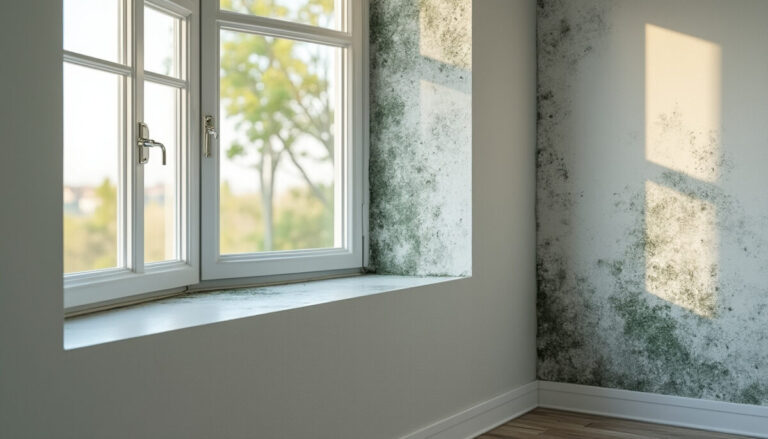
High heating, a feeling of drafts near the attic, cold walls, the presence of humidity and rising energy bills are frequent signs.
Is it possible to insulate a roof yourself?
Roof insulation should ideally be carried out by professionals to ensure correct installation, avoid thermal bridges and benefit from financial aid.
What financial assistance is available for roof insulation in 2026?
MaPrimeRénov’, the zero-interest eco-loan, the reduced VAT rate of 5.5% and the CEE bonuses are available under conditions related to the quality of the craftsmen and the nature of the work.
Why choose exterior insulation?
It eliminates thermal bridges better and avoids the loss of living space, but requires a possible renovation of the roof at the same time.
What thickness of insulation should I choose?
In general, the minimum is around 20 cm, depending on the thermal performance of the materials; a thinner profile reduces efficiency and potential savings.
Thank you for your interest; Claude