3 Insulation choices to avoid on old walls
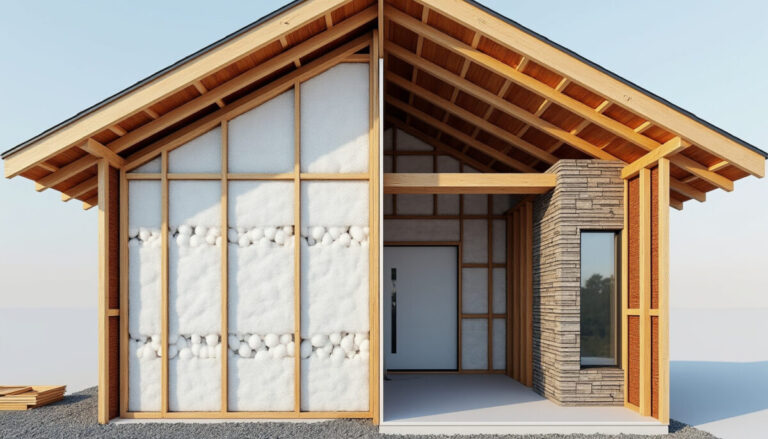
Hello, this is Claude. On an old wall, it’s absolutely essential to avoid impermeable insulation materials like polystyrene, polyurethane, and airtight vapor barriers, as these block the wall’s breathability and cause dampness and deterioration. This fatal mistake disrupts proper moisture management in walls and accelerates the degradation of historic structures.
To do immediately
- Avoid rigid plastic insulation on old stone or earth walls.
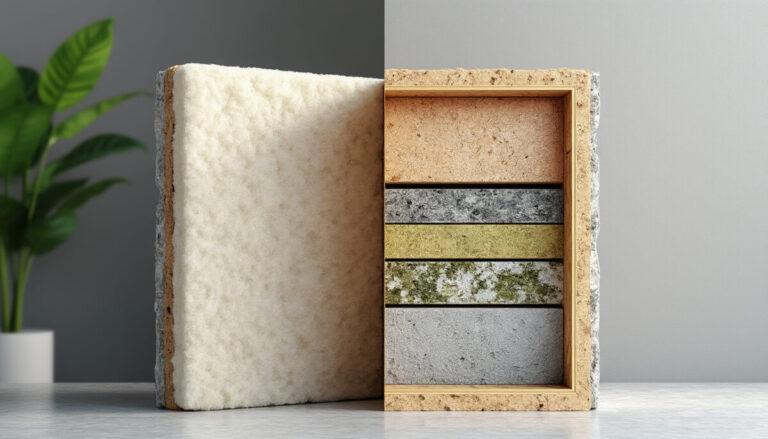
- Opt for breathable insulating materials such as hemp, wood wool or cork.
- Perform a hygrothermal diagnosis to detect rising damp and areas of humidity.
- Install a controlled mechanical ventilation system to manage wall respiration and indoor humidity.
- Hire a RGE-certified specialist to validate the choice of suitable insulating materials.
These tips are detailed in this guide dedicated to the insulation of old walls and their moisture traps as well as in our resource on interior insulation of an old house.
Why avoid polystyrene, polyurethane and waterproof vapor barriers on old walls?
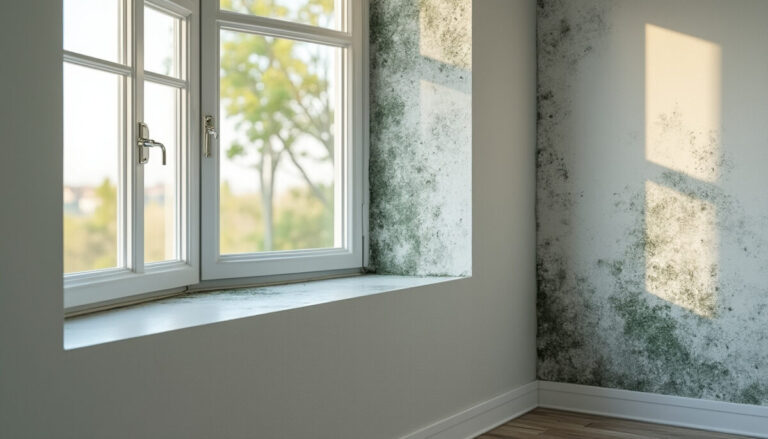
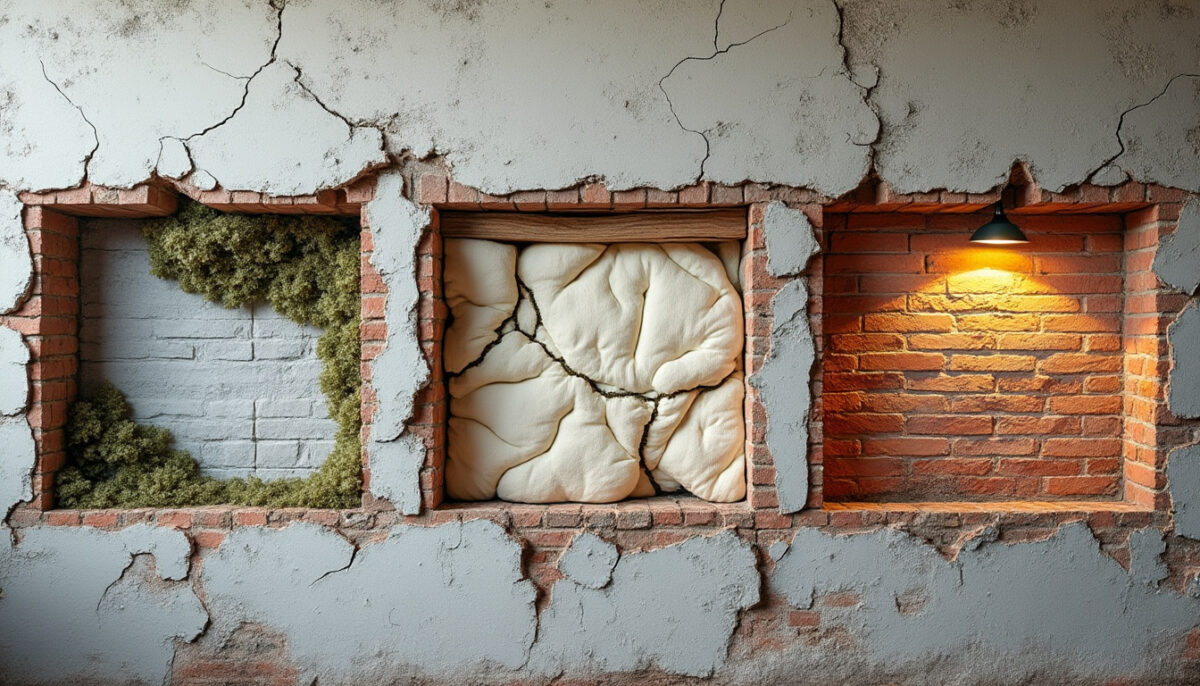
These insulating materials completely block the circulation of water vapor. An old wall, whether made of stone or earth, needs to be able to breathe in order to release the moisture naturally produced inside. Otherwise, water accumulates behind the insulation, causing mold, efflorescence, and plaster peeling. This deteriorates the fragile structure of the old wall over the long term.
A common anecdote: in a characterful house insulated with polystyrene, the walls were breaking down barely three years after installation, forcing a partial demolition and then a complete change of the insulation system.
How to manage wall moisture and avoid thermal bridges?
Thermal bridges are gaps between old walls, floors, and windows/doors where heat escapes significantly. Poorly designed insulation also creates condensation at these vulnerable points. Here are some key steps to take:
- Repair old joinery and seals to prevent air leaks.
- Install a humidity-controlled mechanical ventilation system to renew the air and remove ambient humidity.
- Use bio-based insulating materials that allow water vapor to pass through and naturally regulate wall humidity.
- Ensure continuity of insulation at wall and floor junctions to limit thermal bridges.
- Apply lime or clay finishes, compatible with a breathable wall.
Three materials to absolutely avoid on an old wall
| Material | Issue | Consequence |
|---|---|---|
| Expanded or extruded polystyrene | Waterproof | Trapped moisture, mold, wall deterioration |
| Polyurethane | Complete vapor barrier effect | Rapid structural deterioration and thermal inefficiency |
| Waterproof plastic vapor barrier | Blocks breathing, old wall | Interstitial condensation and coating delamination |
Of course, some synthetic insulation materials remain suitable in specific areas such as very dry basements, but on old walls themselves, they should be avoided unless they have undergone specific prior treatment.
Practical examples for choosing insulation for an old wall
If the wall is very damp: Opt only for breathable bio-based materials and ensure drying before installation, otherwise the pathologies will worsen.
If it is a dry and sound wall: Wood wool or hemp placed under a frame offers a good compromise between comfort and respecting the breathability of the wall.
3-step procedure to avoid insulation errors
- Step 1: Diagnose the condition of the wall (humidity, type of masonry, presence of rising damp) with a professional.
- Step 2: Choose a breathable and suitable insulation (hemp, cork, wood fiber) and plan a careful installation that respects the hygrometric balance.
- Step 3: Install efficient ventilation and check the continuity of insulation to avoid any thermal bridging or condensation.
A relevant quote from specialist Jean-Pierre Oliva: “For a historic wall, respecting its breathability and natural humidity guarantees the durability of the insulation and the building.”
FAQs on insulating old houses
Why should polystyrene be avoided on an old wall?
Because it blocks water vapor, causing trapped moisture, mold, and wall deterioration. Old walls need to breathe to remain healthy.
What materials are suitable for insulating an old wall?
Bio-based materials such as hemp, wood wool, or cork, because they allow water vapor to pass through and prevent wall moisture problems.
How to prevent thermal bridges in an old house?
By carefully assembling the wall/floor junctions, choosing continuous insulation, and installing appropriate mechanical ventilation.
Is it always necessary to insulate from the inside in an old house?
Not always: external insulation is often more effective at eliminating thermal bridges, but sometimes impossible for heritage or regulatory reasons.
What are the consequences if ventilation is poorly managed?
Poor ventilation causes indoor humidity to rise, creating condensation and accelerating the deterioration of old walls.
Thank you for your interest; Claude