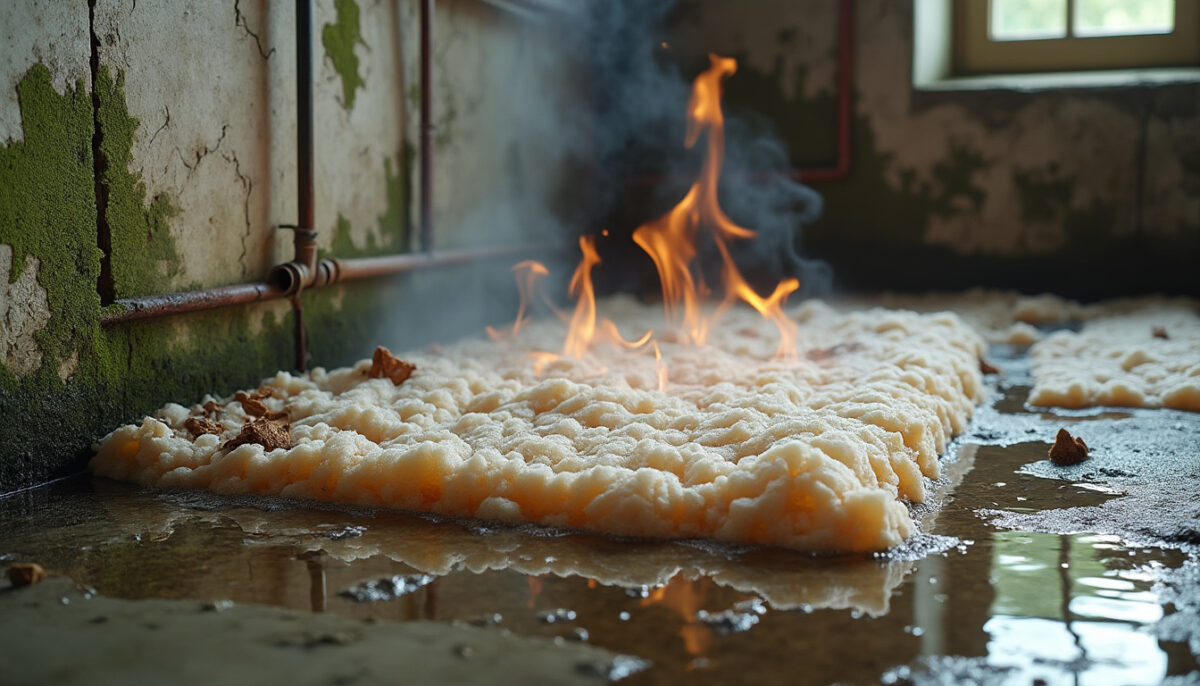
Materials: this good insulator becomes bad here
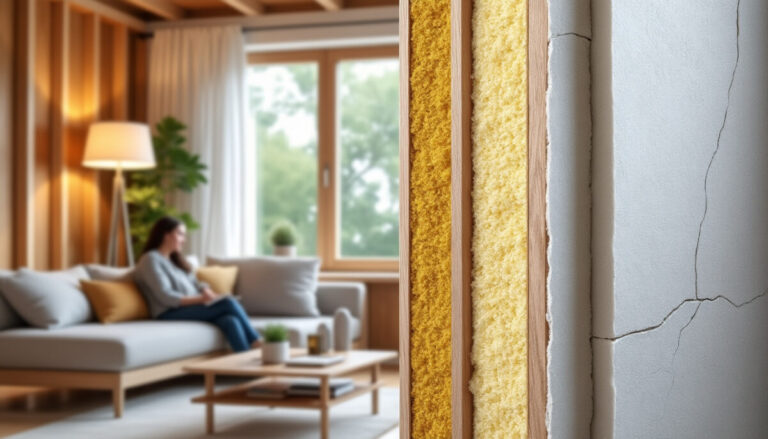
Hi, this is Claude. Choosing insulation isn’t just about thermal performance; you also need to carefully assess the context of use. Good insulation can become ineffective or even harmful depending on where and how it’s installed. This is crucial to avoid thermal bridges, moisture, and the rapid deterioration of your home. Do this now: find out how recognizing good thermal insulation and explore the best insulation materials in 2025.
- Evaluates thermal conductivity before choosing your insulation.
- Avoid petrochemical materials in damp rooms or rooms exposed to fire.
- Prioritize adaptability bio-based insulation to limit humidity.
- Be vigilant about thermal bridges. during installation to guarantee energy efficiency.
- Monitors lifespan and risk of degradation depending on the installation environment.
Why a good insulator can become a bad choice depending on its use
The thermal performance of insulation is often measured by its thermal conductivity (lambda). The lower this number, the better the insulation. However, insulation with excellent conductivity can lose its effectiveness if the material is not moisture-resistant or promotes condensation within a wall. For example, polystyrene is highly insulating, economical, and lightweight, but it has low permeability to water vapor, which can trap moisture and cause rapid structural deterioration.
If it’s for a damp room, hydrophobic or non-breathable materials should be avoided. If it’s for a dry space, the insulation must also have good fire resistance and low toxic emissions in case of fire. The material’s adaptability to changes in the state of water within the wall (condensation, evaporation) is essential for maintaining long-term energy efficiency.
Synthetic insulation: effective but sometimes dangerous in certain contexts
Polystyrene and polyurethane are among the most common insulation materials due to their attractive price and excellent thermal insulation at low thicknesses. However, their environmental impact is poor. Furthermore, if a fire breaks out, these materials release extremely dangerous toxic fumes, making them unsuitable for poorly ventilated living areas or those near direct heat sources.
Polystyrene, in particular, also attracts rodents, leading to hidden damage. This can quickly jeopardize your project. Another drawback: its poor ability to regulate humidity can create pockets of moisture, ideal for mold growth, especially in poorly ventilated walls.
In these cases, it is better to opt for more natural materials capable of absorbing and releasing moisture, thus improving the durability of the insulation.
Bio-based and mineral alternatives: a good compromise between performance and nature
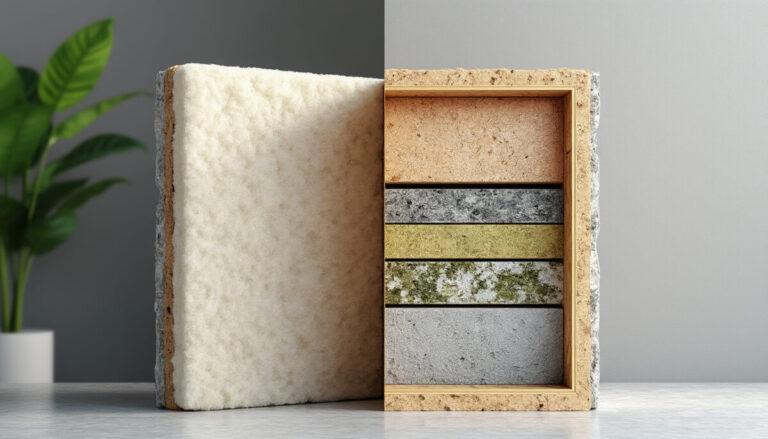
Bio-based insulation materials such as cellulose wadding, hemp wool, or sheep’s wool often offer greater summer comfort thanks to their superior thermal inertia. They also naturally regulate humidity and allow the house to “breathe” without creating accidental thermal bridges. Their thermal conductivity is generally slightly higher (between 0.035 and 0.045 W/m.K), but they compensate with their adaptability and excellent environmental performance.
For example, cellulose wadding is made from recycled paper treated to limit the risks of fire and infestation. It tends to settle, but when installed correctly, it remains a reliable long-term solution. In a different category, wood wool stands out for its fire resistance and acoustic comfort, making it ideal for improving energy efficiency in attics or walls.
| Material | Thermal conductivity (W/m.K) | Benefits | Boundaries | Recommended use |
|---|---|---|---|---|
| Expanded polystyrene | 0.027 – 0.040 | Lightweight, inexpensive, good mechanical resistance | Poor acoustic performance, toxic in fire, non-recyclable | Exterior insulation, drywall |
| Polyurethane | 0.022 – 0.028 | Excellent thermal insulation, durable, water-resistant | High toxic emissions when burned, negative environmental impact | Under-slab insulation, dry areas |
| Cellulose wadding | 0.038 – 0.042 | Made from recycled materials, good summer comfort, humidity regulation | May settle, sensitivity to poorly managed humidity | Attics, walls, floors |
| Hemp wool | 0.039 – 0.060 | Good regulating and soundproofing properties, resistant to humidity | Higher cost, some polyurethane-related products | Wet rooms, eco-friendly insulation |
3 steps to choose and install the right insulation
- Analysis of your home: humidity, use of rooms, fire risks and noise pollution.
- Choice of the material according to thermal conductivity, water resistance, and ecological impact.
- Laid carefully installed, avoiding thermal bridges and ensuring a good vapor barrier according to the material used.
Once upon a time, there was a homeowner who insulated his house with polystyrene in every room, including the bathroom. He quickly developed problems with humidity and odors, until he realized that this material wasn’t suitable for that environment. The lesson: insulation that works well in one place won’t necessarily work in another.
As one thermal expert says, “The best insulation is the one that perfectly matches the specific constraints of your home.”It is a question of balance between thermal performance, adaptability to changes in the state of air and water, and respect for the house as a whole.
Why is polystyrene not recommended in damp rooms?
Polystyrene has low permeability to water vapor, which can trap moisture in walls, promoting mold growth and deterioration. It is also susceptible to rodents and releases toxic fumes in case of fire.
Which insulating materials combine thermal performance and ecology?
Bio-based insulation materials such as cellulose wadding, hemp wool, or sheep’s wool offer a good compromise. They have adequate thermal conductivity while naturally regulating humidity and being recyclable or renewable.
How to avoid thermal bridges during installation?
It is necessary to ensure that the insulation is installed continuously, without gaps, with a suitable vapor barrier, and by properly treating the junctions between walls, floors and roofs to avoid energy losses.
What is the difference between thermal conductivity and thermal resistance?
Thermal conductivity (lambda) measures a material’s ability to conduct heat: the lower it is, the better. Thermal resistance (R) depends on both thickness and conductivity; it indicates the insulation’s effectiveness.
Are all natural insulation materials suitable for all areas of the house?
No. Some natural insulation materials, such as sheep’s wool or hemp, are better suited to dry or damp rooms depending on their properties. It is essential to adapt the choice according to the area of application.
Thank you for your interest; Claude