
Materials: choosing too quickly can trap moisture
Hello, this is Claude. Choosing materials without properly analyzing the moisture problem can often trap that moisture inside the walls, creating mold and damage. To avoid this pitfall, you must opt for breathable materials, suited to the context, while also implementing effective ventilation and obtaining a precise diagnosis.
To do immediately
- Measure the humidity in each room with a digital hygrometer to identify critical areas.
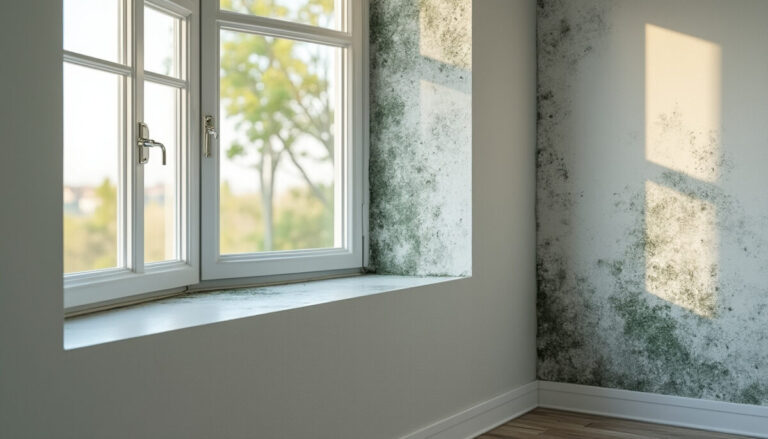
- Observe for visible signs of dampness, mold, blisters or saltpeter on the walls.
- Check the exterior: drainage, gutters and slope of the land around the house.
- Avoid applying a waterproof coating immediately to a damp wall without a diagnosis.
- Consult a professional for a reliable diagnosis before making any material choices.
A good approach begins with a clear diagnosis and an understanding of each source of moisture. To learn more, discover our tips at [website/link]. damp house what to do and explore the best solutions with allow a damp wall to breathe.
How a quick choice of materials can trap moisture
The walls of old buildings, often made of stone or earth, need to breathe. A hasty choice of overly impermeable materials, such as some modern plasters, blocks the natural circulation of water vapor. The result: condensation, mold, and accelerated deterioration. Trapped moisture weakens the walls’ durability and degrades the quality of indoor living.
This is the case of a recently renovated house where waterproof paint was applied to a damp wall. After several months, blisters and yellowish stains appeared, causing a real dilemma for the owners, who had to commission a professional assessment.
“A wall that does not breathe is a wall that deteriorates,” a simple piece of advice that reminds us of the importance of permeability in the choice of materials.
The best materials for a healthy and sustainable home
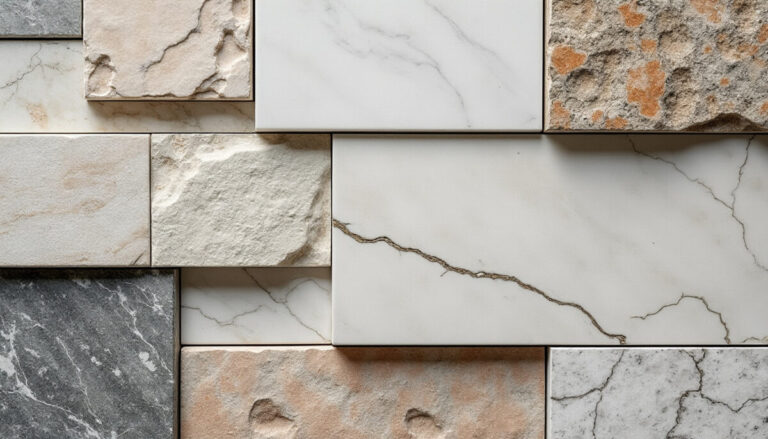
Lime remains a preferred material in the restoration of old buildings. It provides a finish that allows water vapor to pass through without blocking the wall. Combined with hemp, it also improves thermal comfort, reducing the feeling of cold walls. Earth plaster, being microporous, provides good regulation of indoor humidity when applied to a sound wall.
Bio-based insulation materials such as wood wool or cellulose wadding contribute to insulation without impeding permeability. However, installing synthetic insulation on a damp wall can exacerbate condensation, increasing the risks to the structure.
In a modern house, vigilance increases with the very airtight envelope: controlled mechanical ventilation (CMV), ideally double flow, becomes essential to ensure good air quality and prevent mold.
Comparative table of materials’ resistance to humidity
| Materials | Vapor permeability | Sustainability | Risk of moisture trapping | Recommended use |
|---|---|---|---|---|
| Lime (aerial and hydraulic) | Very high | Excellent | Weak | Plastering and joints on old walls |
| Hemp + lime | High | Good | Weak | Soft insulation, thermal correction |
| Earth coating | Medium to high | Average | Moderate (if the wall is sound) | Natural interior finishes |
| Bio-based insulation materials (wood wool, cellulose wadding) | Variable (often good) | Good | Low (with ventilation) | Insulation in eco-friendly renovation |
| Modern waterproof coatings | Very weak | Variable | Very high | Avoid on damp walls |
| Synthetic insulation materials (polystyrene, etc.) | Very weak | Good | Very high (without precautions) | Insulation outside wet areas |
If it’s an old wall made of stone or earth…
Adopting a natural material like lime or hemp-lime, with a breathable finish, is the basis of a successful renovation.
If it’s a recently built wall with condensation…
Prioritize a suitable insulation system and efficient ventilation before any choice of material.
3 steps to avoid trapping moisture in your materials
- Step 1 : Accurately diagnose the source of moisture (capillary action, infiltration, condensation).
- : Select materials with a permeability adapted to the existing wall, avoiding products that are too airtight.
- Step 3 : Implement effective ventilation to ensure the removal of ambient humidity and prevent mold.
Can a damp wall be insulated?
Insulating a damp wall without understanding the source of the moisture can worsen the problems. The cause of the moisture must be addressed first, and breathable materials must be chosen.
Why avoid waterproof coatings and paints on old walls?
They prevent the natural exchange of water vapor, trapping moisture and promoting degradation and mold growth.
What materials should be preferred for a house with humidity?
Lime, hemp, earth plaster and bio-based insulation, combined with appropriate ventilation, provide durability and comfort.
How to measure humidity effectively?
Use a digital hygrometer, take regular readings and observe for visible signs of moisture on the walls.
Thank you for your interest; Claude