Materials: wood wool or a mistake in an old house
Hello, this is Claude. For insulating an old house, wood wool is often an excellent option, provided the specific characteristics of older buildings are taken into account. Choosing insulation that is compatible with the natural management of humidity and ventilation is crucial to avoid serious and costly mistakes.
To do immediately
- Carry out a precise diagnosis of the building to identify areas of heat loss and check for the presence of moisture.
- Choose breathable insulation materials such as wood wool to preserve the natural management of water vapor.
- Check for thermal bridges to prevent leaks and sealing problems.
- Prioritize the insulation of the attic and roof, which are often responsible for 25 to 30% of heat loss.
- Ensure effective ventilation to limit the risks of condensation and mold.
These first steps are essential for successfully completing your energy renovation without compromising the building’s structural integrity. To learn more, also discover… how to insulate an old house and the best insulation for old houses.
Why wood wool is often recommended for renovating old houses
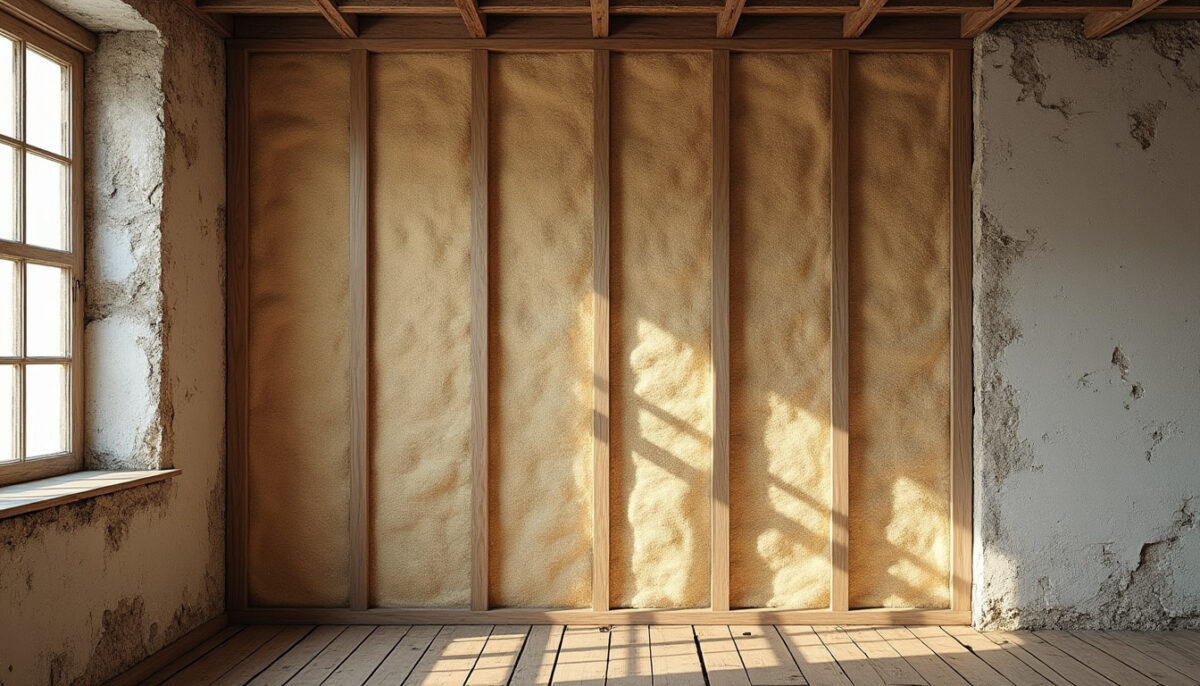
Wood wool offers a good compromise between thermal insulation and preserving the integrity of old walls. Its vapor permeability helps manage humidity and prevent mold growth, a common problem in poorly insulated older buildings. Unlike synthetic insulation or airtight panels, wood wool prevents capillary breaks, which are essential for the building’s durability. This is why this material is often preferred for energy-efficient renovations, especially when the house has stone or earthen walls.
A common mistake is using non-breathable insulation, such as polystyrene, which traps moisture against the walls and causes leaks over time. Opting for wood wool insulation helps maintain a healthy humidity balance, a key factor for older homes.
If it’s a wall made of stone or solid wood…
opt for wood wool or hemp, combined with breathable lime plasters to avoid stagnant moisture.
Whether it’s a wall made of solid bricks or raw earth…
Bio-based insulation will remain the best option, complemented by finishes that allow water vapor to pass through.
Simple procedure to insulate your old house with wood wool
- : Conduct a hygrothermal audit with a professional to identify humidity, thermal bridges, and ventilation defects.
- Step 2 : Choose suitable wood wool panels or rolls, favouring certified products designed for old houses.
- Step 3 Install the insulation according to the installation instructions, ensuring that the insulation can breathe and avoiding any impermeable vapor barrier.
Even good insulation that’s poorly installed is useless. Adhering to ventilation guidelines is crucial to prevent condensation and mold problems in the long term.
What to watch out for to avoid unpleasant surprises in an old house
Insulating an old house without addressing humidity and ventilation can lead to irreversible damage. The formation of efflorescence, crumbling stone, or untreated thermal bridges weaken the structure. An old house is not a new house: its walls must be able to breathe to prevent trapped condensation, which leads to deterioration. Remember this quote from Victor Hugo: “Nature is in no hurry, yet everything is accomplished.” Patience and good technique guarantee a lasting result.
| Possible problem | Common cause | Solution with wood wool |
|---|---|---|
| Trapped moisture | Non-permeable insulation glued directly to stone walls | Breathable insulation and installation with lime-hemp plaster |
| Thermal breaks | Poor insulation-to-wall connection or poorly treated thermal bridges | Careful installation and specific treatment of the joints |
| Sealing problems | Poor ventilation and lack of a suitable vapor barrier | High-performance ventilation system (dual-flow mechanical ventilation) |
| Mold | Condensation due to excess humidity and lack of air circulation | Bio-based insulation and renewed ventilation |
| Loss of space | Overly thick interior insulation without planning | Thin materials and optimization of installation techniques |
Positive impact of wood wool on energy and ecological renovation
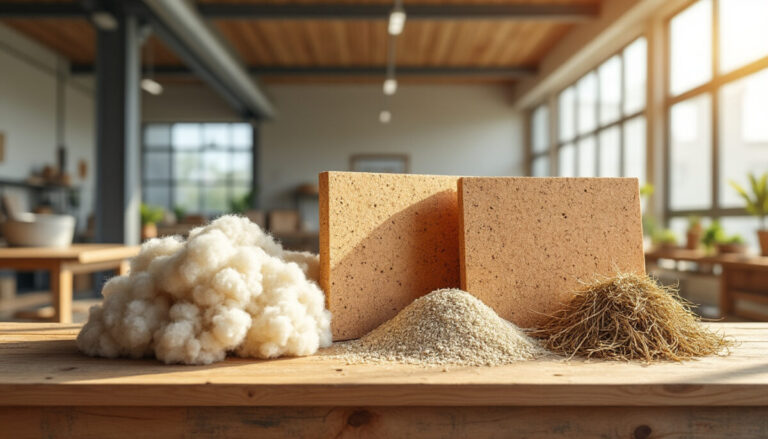
Wood wool is a bio-based insulation material made from sawdust and wood shavings, often sourced from sustainably managed forests. It contributes not only to effective thermal insulation but also to reducing the carbon footprint of your renovation. Its ability to regulate water vapor reduces the risk of dampness, thus protecting the integrity of old walls.
By choosing this eco-friendly solution, you extend the life of your home while reducing your energy consumption. This dual benefit improves your comfort and increases the value of your property. A sound, sustainable, and responsible investment.
Practical tips for optimizing thermal insulation with wood wool in your old house
- Opt for a uniform installation to avoid thermal bridges.
- Uses natural and breathable plasters, such as lime, for finishing.
- Ensure effective ventilation, especially in attics and damp rooms.
- Avoid plastic vapor barriers that block the walls from breathing.
- Hire a professional trained in the renovation of old buildings to guarantee the quality of the work.
An anecdote: in an old house recently renovated, an owner noticed that wood wool insulation not only improved his thermal comfort but also reduced a musty smell that had bothered him for years. Maintaining proper humidity levels and ventilation made all the difference.
Why choose wood wool for an old house?
Because it is permeable to water vapor, it manages humidity naturally and prevents condensation, thus preserving the fragile structure of old walls.
Yes, it is often the most suitable solution in renovation, especially when the exterior appearance must be preserved.
What are the risks if the insulation is not compatible with the old building?
This can lead to mold, saltpeter, deterioration of walls and an increase in thermal bridges, making renovation ineffective and dangerous.
How to manage ventilation after insulation?
A suitable single or double flow controlled mechanical ventilation (CMV) system must be installed to ensure sufficient air renewal and prevent condensation and mold.
What financial assistance is available for insulating an old house?
You can benefit from MaPrimeRénov’, energy saving certificates, zero-interest eco-loans and local aid, provided you use an RGE professional.
Thank you for your interest; Claude