5 Material Mistakes in an Old Renovation
Hello, this is Claude. To successfully renovate an old building, you must choose the right materials that respect the building’s original character and avoid incompatibilities that lead to moisture problems and rapid deterioration. An effective renovation begins with a precise assessment and the selection of compatible materials that preserve the heritage while ensuring comfort and durability. More details on how to avoid these common mistakes in renovating old buildings are available now.
- Conduct a complete building assessment with a professional to evaluate the structure and humidity.
- Favor compatible old materials such as lime, natural stone, and solid wood.
- Avoid waterproof coatings and paints that block the walls from breathing.
- Check that the craftsmen are proficient in the specific techniques for renovating old buildings.
- Provide adequate ventilation to limit humidity and material degradation.
To delve deeper into these clear tips, also consult this practical article on common mistakes to avoid in renovating old buildings as well as this very comprehensive guide on the successful renovation project in the oldThese resources will enhance your understanding of materials issues and prevent many complications in your project.
Starting a project without a complete building assessment: the first fatal mistake.
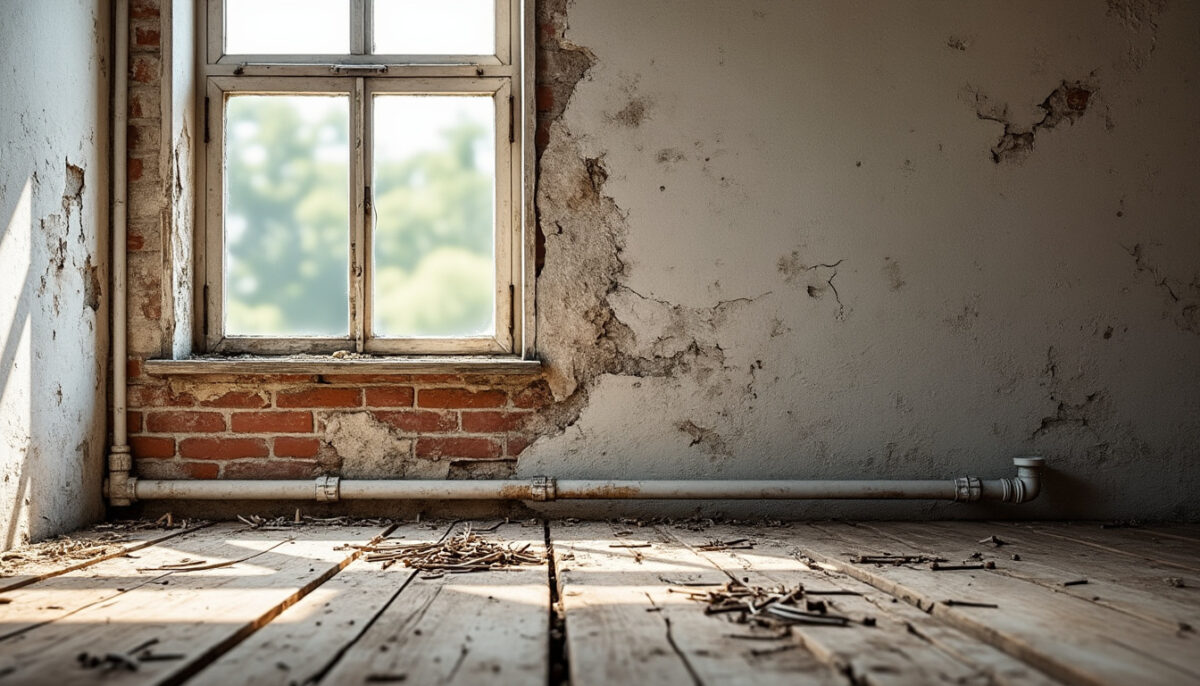
A superficial or nonexistent diagnosis obscures the true nature of the problems plaguing the building: rising damp, weakened floors, damaged roof structure. These technical details dictate the choice of materials. For example, applying a waterproof coating to a damp wall traps the water, leading to mold and damage.
Anecdote: on a recent construction site, an undetected uneven floor required a complete reconstruction, increasing the budget and delays.
Compatibility of materials and old structure
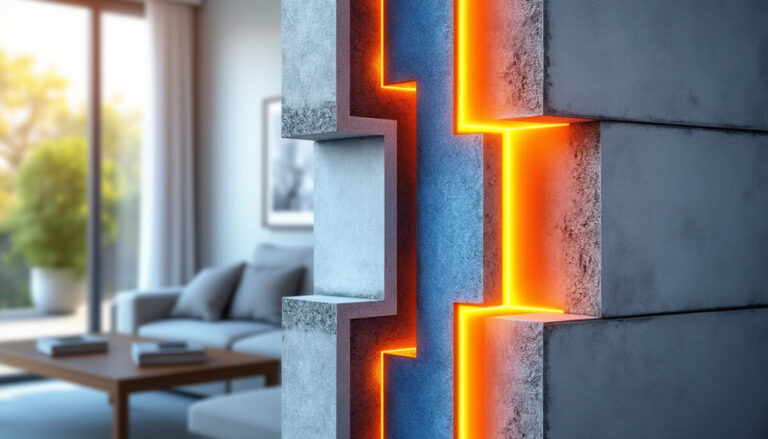
Old structures breathe. A stone wall cannot tolerate an impermeable coating. Lime, for example, allows the wall to release moisture and tension, protecting the stone and its integrity. Choosing permeable materials like wood wool for insulation is often more beneficial than modern, overly airtight insulation.
The importance of choosing craftsmen accustomed to the old style
Specialist craftsmen know how to adapt materials to the structure. Their expertise avoids common mistakes such as applying modern plaster to old walls or excessive rigidity that causes cracks.
A competent collaborator will answer your questions precisely, advise you on the most suitable materials, and bring the renovation to life while respecting authenticity.
Not wanting to modernize everything at all costs
The temptation is great to erase the old for a completely new style. Yet, it is often the coexistence of old materials and well-chosen modern solutions that creates a warm and rational atmosphere.
For example, painting antique moldings with a modern dark tint brings out their beauty while retaining their presence.
Choosing unsuitable materials: a classic trap
Modern materials like cement and acrylic paint are often responsible for wall deterioration. They block natural porosity, promote moisture problems, and accelerate the degradation of older materials.
We must prioritize environmentally friendly and compatible solutions that respect heritage preservation and ensure sustainable building rehabilitation.
| Materials to avoid | Consequences for the old | Recommended alternatives |
|---|---|---|
| Cement | It blocks breathing, causes cracks and dampness | Lime plaster |
| Acrylic paints | Prevents moisture evaporation | Eco-friendly paint made from lime or silicate |
| Waterproof insulation (standard fiberglass) | Condensation and rot | Wood wool, natural cork |
Underestimating time and budget: why it often goes wrong
Renovating older buildings is full of unforeseen problems. A fragile old pipe or a damp cellar can appear at any time. It’s essential to build in a 10 to 15% contingency in both the budget and the timeframe to account for these surprises.
“A construction site is like beer: the older it is, the more foam it needs.” This simple phrase reminds us of the importance of patience and flexibility in renovation. Take the time to observe each space before finalizing your choices.
Can I use modern materials in an old renovation?
You can, but you must carefully check their compatibility with the existing structure to avoid moisture problems and premature deterioration. Materials like lime and natural stone remain the safest.
How can I tell if a material is suitable for my old house?
Always prioritize vapor-permeable and natural materials. Seek advice from a professional specializing in renovation of older buildings or consult recognized resources to understand the nature of your walls.
How important is ventilation in the renovation of old buildings?
It’s crucial. A humidity-controlled mechanical ventilation system (MVHR) renews the air and prevents excess humidity that damages the building structure and materials. Without proper ventilation, renovation is risky.
Do I need to redo the insulation despite the old nature of the house?
Yes, but with suitable materials that allow the building to breathe, such as wood wool or cork. Insulation improves comfort without compromising the preservation of heritage.
Thank you for your interest; Claude