7 Material Tips to Avoid a Failed Renovation
Hi, this is Claude. To avoid a failed renovation, making the right choices when selecting materials is essential to ensure quality, durability, and control of the overall budget. These decisions will shape the success of your project.
To do immediately:
- Make a precise assessment of the use of each room and its constraints (humidity, traffic, light).
- Request several detailed quotes comparing materials and labor.
- Plan your tasks in a logical and clear order, with margins for unforeseen events.
- Find out about the applicable standards and necessary administrative procedures.
- Prioritize materials suited to their function rather than solely focusing on aesthetics or price.
For further information, it is helpful to consult specialized resources such as those of My Building Or DIY House, which explain in detail how to avoid common pitfalls during renovations.
Adjusting material choices to ensure durability and avoid costly mistakes
The first step to ensuring a successful renovation is to carefully choose the materials according to the room being renovated. Using solid wood in a damp room or standard paint in a kitchen can quickly compromise the quality and lead to premature repairs.
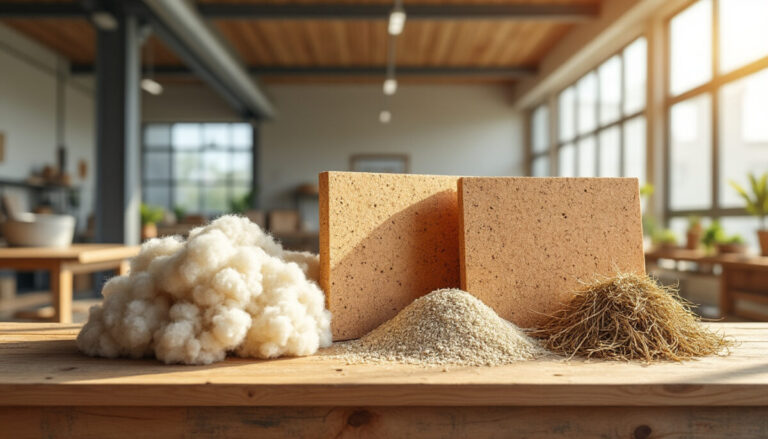
Depending on the situation, the choice of materials directly influences the comfort, maintenance costs, and longevity of your interior. For example, non-slip tiles in the entryway provide safety while limiting wear and tear, while bio-based insulation improves energy efficiency while respecting the environment.
The table below gives you a clear overview of the recommended materials according to common constraints:
| Part / Constraints | Recommended materials | Risks of errors to avoid |
|---|---|---|
| Bathroom (high humidity) | Non-slip tiles, water-repellent paint, treated wood | Paint not resistant to moisture, untreated wood |
| Kitchen (waste, heat, humidity) | Washable paint, quartz worktop, robust tiles | Delicate paint, materials susceptible to scratches and stains |
| Entrance / corridor (frequent traffic) | Durable and non-slip tiles, robust floor coverings | Slippery floor, materials fragile to wear |
| Rooms (comfort and aesthetics) | Solid wood or laminate flooring, eco-friendly paint | Cold floor, poorly insulating materials |
| General insulation | Bio-based insulation (hemp, wood wool), thin insulation | Polluting synthetic insulation materials, incompatible with the structure |
Why planning and choosing the right material prevents long-term cost overruns
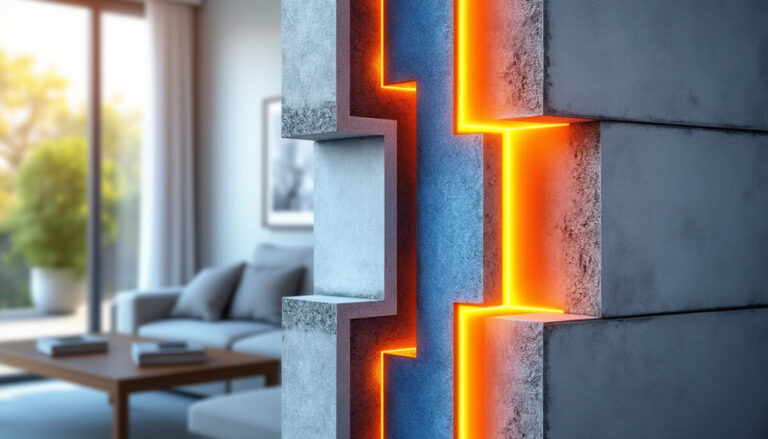
It’s easy to give in to the temptation to buy cheap materials, but this reflex can be more costly in the long run. For example, a poor choice of insulation or finish may require premature replacements or cause problems such as dampness.
A professional often said: “Investing in quality today means saving money tomorrow.” In renovation, this is proven every day.
If you choose your materials well, you can avoid unnecessary budget overruns and make your work last longer without fear of unpleasant surprises.
3 key steps to mastering your renovation materials and budget
- Assessment : Analyze the specific needs of your construction site (use, exposure, technical constraints) and establish a list of suitable materials.
- Consultation : Collect several quotes from craftsmen and suppliers, favouring those specialising in sustainable renovation and ecological materials.
- Follow up Ensures adherence to plans and steps while regularly checking the quality of materials delivered and used.
Practical tips to prevent renovations from becoming a headache
Thinking beyond aesthetics will save you from many mistakes. Always check the resistance and adaptability of materials to the climate and actual use. For example, in humid regions, choosing a breathable material will prevent mold problems.
If you’re a beginner, opt for easy-to-install materials and seek advice from a specialist store or reliable online platforms. It may seem obvious, but some renovations fail because incompatible materials are chosen due to a lack of information.
If it is a complex project with several stakeholders, a works coordinator can be crucial to ensure the correct installation of the different materials and compliance with standards.
If the renovation is limited to a single room and you have a tight budget, focus on sustainable but economical materials, for example by composting construction waste and reusing certain elements.
7 tips to avoid making mistakes with your materials
- Choose according to the actual constraints (humidity, traffic, maintenance)
- Prioritize long-term quality over immediate price
- Anticipate the actual budget with a 10-20% margin for unforeseen circumstances.
- Establish a clear and adhered-to schedule to avoid unnecessary rework.
- Verify electrical, thermal, and environmental certifications and performance.
- Consult qualified and insured professionals
- Don’t neglect the finishing touches to complete the project properly.
Impact of material choices on health and the environment in your renovation
Renovation materials are not just about style: toxic components or hidden pollutants can deteriorate indoor air quality and increase energy bills.
Choosing bio-based and healthy materials contributes to a comfortable home with a low environmental footprint, and is often easier to maintain. By 2026, more and more suppliers are offering accessible eco-friendly ranges, making this virtuous choice easier.
In your project, you can consult detailed guides to discover gentler options, such as those on Materials for green renovation Or Healthy and economical renovation.
How to assess the actual budget for a renovation?
It is advisable to add a safety margin of 10 to 20% to the initial quotes to cover unforeseen expenses, additional materials, and ancillary costs such as rubble removal.
Why is it necessary to adapt the materials to each room?
Each room has its own constraints in terms of humidity, traffic, and use. For example, a material suitable for a bedroom may be unsuitable for a bathroom, which compromises durability.
Is it always better to do the work yourself?
DIY is interesting for some simple tasks, but for electricity, plumbing or structure, a professional guarantees safety, compliance, and often a better result.
How to choose a trustworthy professional?
Check their certifications (RGE, Qualibat), ask for references, compare several detailed quotes, and favour those that offer guarantees and insurance.
Are there any easy-to-install, eco-friendly materials?
Yes, several bio-based materials are designed to be easy to install and compatible with gentle renovation projects, such as hemp or wood wool insulation.
Thank you for your interest; Claude