Materials: bio-based or truly suitable for construction
Hello, this is Claude. Choosing bio-based materials is not always enough; they must be compatible with the building to guarantee insulation, durability, and environmental health.
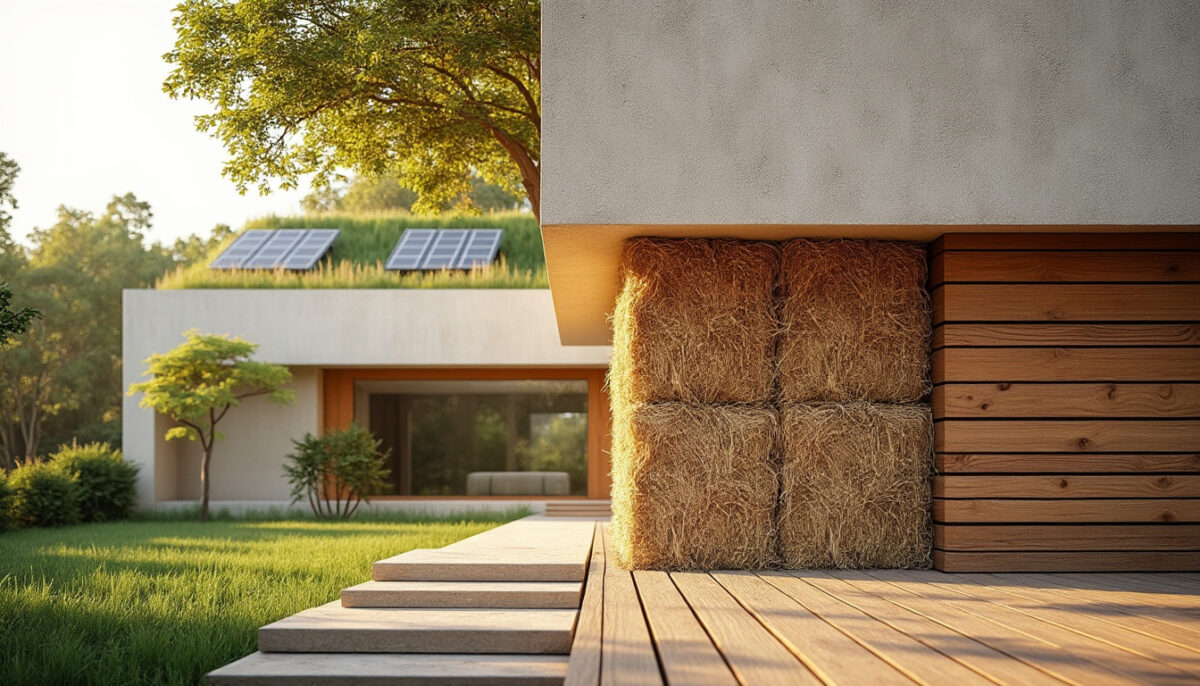
Using natural and bio-based materials is a powerful way to reduce the carbon footprint of buildings while improving energy performance. However, not all materials are suitable for every structure. Building compatibility must be assessed to optimize thermal insulation and long-term comfort. Materials derived from renewable biomass, such as wood, hemp, straw, or cellulose wadding, are widely recognized for their carbon storage capacity, which helps decarbonize the construction process. Their use is gaining ground with government support and stricter regulations, particularly to meet the requirements of the RE2020 standard and the climate law. Furthermore, raw earth, a traditional geo-sourced material, is regaining popularity for its thermal qualities and low environmental footprint.
To do immediately
- Evaluate the structure of your building before choosing bio-based materials.
- Prefer bio-based materials that are labeled and recognized by the AQC to guarantee quality and durability.
- Incorporate materials with good thermal phase shift to maintain optimal hygrometric comfort.
- Consider using regional materials to limit the carbon footprint associated with transportation.
- Check the compatibility of materials with current regulations and labels such as the bio-sourced building label.
The bio-based sector is seeking to develop a robust market. To learn more, discover the Cerema guide on bio-based materials and explore innovations in bio-based materials of tomorrow.
Bio-based materials in construction: an ecological and sustainable solution
Bio-based materials are derived from renewable organic matter, such as wood, hemp, straw, or flax. Their use is encouraged because they play a major role in reducing carbon footprints by storing atmospheric carbon within structures. These materials also offer environmental health benefits thanks to their low emissions of volatile organic compounds and their ability to regulate indoor humidity.
Beyond wood, the diversity is impressive: recycled cellulose wadding, textiles, cereal husks, miscanthus, and cork, each with its own specific uses. This range makes it possible to find suitable solutions for thermal insulation, plasters, or composite materials.
One challenge: building compatibility
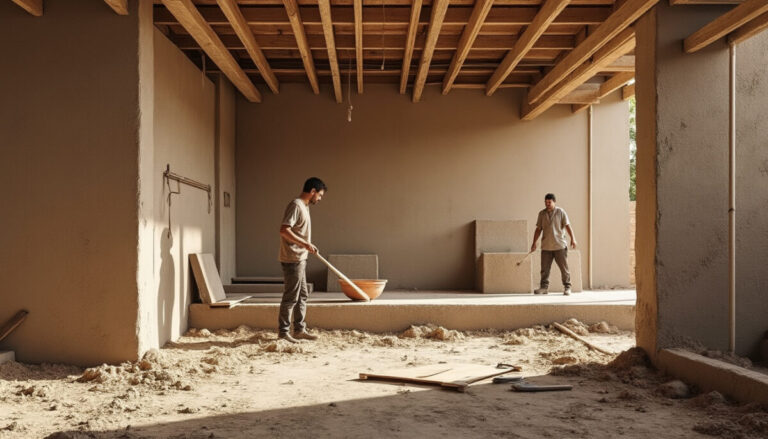
Not all bio-based materials are universally suitable. While some integrate perfectly into modern wood or concrete constructions, others are better suited to older buildings made of stone or raw earth. This incompatibility can compromise the building’s durability and energy efficiency. That’s why a precise assessment is essential to identify the natural material that will best suit your building. Thermal lag, breathability, and resistance to pests are all criteria to consider.
Raw earth and legislation: a sector in full evolution
Raw earth remains a geo-sourced material with remarkable qualities such as humidity regulation and energy efficiency. This material is being rediscovered for its authenticity and low environmental footprint. However, its use remains limited by a lack of professional expertise and certain regulatory considerations.
The French ecological recovery plan, launched between 2020 and 2022, promotes the development of bio-based sectors, including raw earth. Local authorities now have access to practical guides for integrating these materials into their projects, following a testing phase to guarantee safety and performance.
An inspiring anecdote
In a village in southwest France, a renovation project used exclusively local bio-based materials, including hemp and straw. The building now offers remarkable thermal insulation and a healthy indoor environment, despite its location in a damp rural setting.
Bio-based materials and the bio-based building label: a guarantee of quality
The bio-based building label, updated in 2024, recognizes buildings committed to the extensive use of sustainable materials. It sets performance thresholds that measure the amount of biogenic carbon stored, thus promoting the decarbonization of construction. This label distinguishes three levels, from basic to exemplary, encouraging the diverse integration of materials, particularly in insulation.
| Label level | Residential building (kg CO2 eq / m²) | Industry, storage, services | Other uses |
|---|---|---|---|
| 1st level | fifteen | four | twelve |
| 2nd level | twenty-five | six | twenty |
| 3rd level | forty-five | nine | thirty-six |
For project developers, applying for this label from accredited bodies allows them to anticipate future regulations and contribute to healthier, more efficient, and more sustainable housing. As one expert put it, “a well-designed bio-based building is an active ally against climate change.”
How to integrate bio-based materials into a renovation or construction project?
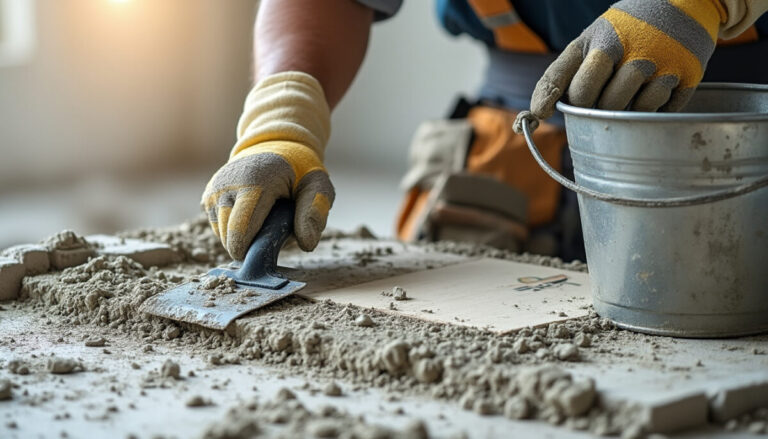
- Step 1: Conduct a thorough diagnosis of the existing building and define the areas to be permanently insulated.
- Step 2: Choose bio-based materials that are suitable for the climatic context, the structure and the regulations.
- Step 3: Ensure implementation in accordance with technical guides and enhance the value of the construction site through labels such as bio-sourced building.
If your house is old, opt for permeable materials like wood wool or raw earth to avoid moisture problems. If you’re building new, you can aim for combinations that include solid wood and bio-based insulation for energy efficiency and environmental health.
Wood, hemp, straw, cellulose wadding, cork or raw earth are among the most used natural materials for their durability and thermal performance.
How can I tell if a bio-based material is suitable for my building?
A technical diagnosis must be carried out which takes into account the structure, exposure, humidity and the thermal and hygrometric compatibility of the material.
Is the bio-sourced building label mandatory?
No, it is voluntary but highly recommended to recognize efforts and meet future legal requirements such as RE2020.
Do bio-based materials cost more?
The cost may vary, but it often remains competitive depending on the sector and the short supply chain, and it provides energy savings in the long term.
Are bio-based materials durable against pests and moisture?
Yes, they are often subject to specific tests to ensure their resistance to fire, fungi and insects under normal conditions of use.
Thank you for your interest; Claude