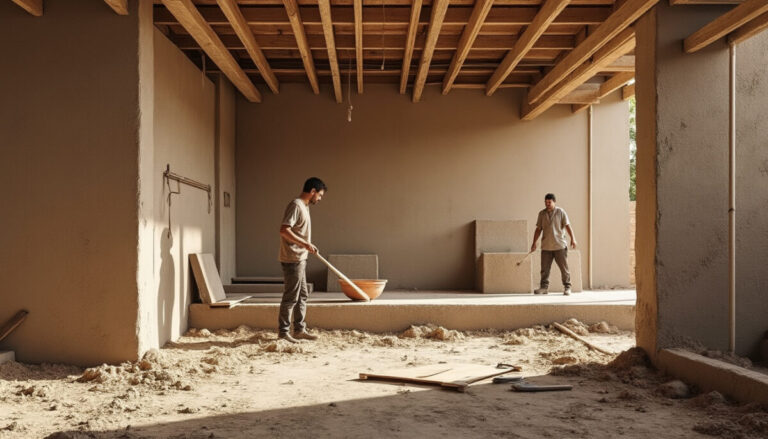

Materials: natural stone or ill-considered expense
Hello, this is Claude. Choosing the right natural stone ensures a lasting investment that avoids unnecessary expenses in the long run. Durable materials like natural stone often offer impeccable stone quality and a natural aesthetic that enhances your home over the years, unlike a rushed choice that can lead to disappointment and additional material costs.
To do immediately
- Evaluate the precise use and constraints related to your project before starting.
- Compare the cost of materials and the quality of stone between several available options.
- Opt for durable materials to limit frequent replacements.
- Check the ecological impact of the natural stone chosen for a responsible investment.
- Test the samples when possible to ensure proper performance and appropriate stone maintenance.
Natural stone can be adapted to suit all tastes, but choosing the right one will make all the difference. To learn more, consult this A complete guide to choosing your natural stone and also discover how optimize the price of natural stone installation in order to control your budget.
How to avoid unnecessary expense with natural stone?
The secret is to spend wisely. For example, if you’re considering a kitchen floor, travertine offers mechanical resistance and a non-slip surface that are highly valued for everyday use. Conversely, choosing a delicate, highly porous stone for a high-traffic area risks disappointment: it wears quickly, requires intensive maintenance, and increases material costs over time.
If your project involves a countertop or a high-traffic area, granite is the ideal choice thanks to its hardness and sleek appearance. For decorative wall cladding, quartz or malachite can provide a unique, natural aesthetic without sacrificing the quality of stone. The choices are tailored to the intended use, always keeping in mind the importance of a lasting investment.
Comparative table of natural stones according to their use and characteristics
| Natural Stone | Main Use | Properties and Benefits | Material Cost (€/m²) |
|---|---|---|---|
| Travertine | Kitchen floors, living area | Warm, non-slip, easy to maintain | 50 – 120 |
| Granite | Worktops, floors | Robust, durable, sober aesthetic | 80 – 150 |
| Slate | Exterior cladding, interior flooring | Durable, timeless, and available in a variety of shades. | 60 – 130 |
| Quartz | Wall coverings, decoration | High hardness, diverse colors | 70 – 140 |
| Blue Stone | Interior floors | Durable, frost-resistant, natural patina | 75 – 130 |
3 simple steps to a winning materials choice
- Define your needs depending on the use, budget and environmental constraints.
- Life cycle analysis Natural stone: durability, stone maintenance, ecological impact.
- Opt for a balance balancing stone quality and material cost, without giving in to the temptation of short-term economics.
A friend tried to save money on his patio by choosing a fragile stone. The result: he had to redo everything two years later. It’s a classic example of unnecessary expense to avoid. Remember, “Quality is when the customer returns, not the product,” and that applies to your building materials too.
Natural stone: an ecological and aesthetic choice
Using natural stone isn’t just about aesthetics. It’s a true long-term investment: these durable materials often have a low environmental impact if you choose locally sourced and ethically extracted stone. For example, French stone is renowned for its competitiveness and durability, making it a smart choice for your long-term building materials.
At a time when the construction sector is rapidly transforming, opting for natural stone addresses both environmental concerns and current aesthetic demands. Maintaining natural stone remains simple if you choose a stone suited to its intended use, as explained in this guide on eco-friendly natural stone.
Quick comments – Common use cases
- If you want a durable and easy-to-maintain stone for a high-traffic area, granite or bluestone are safe choices.
- If it is more for a decorative or atmospheric element such as an interior wall, favour amethyst or rose quartz to combine natural aesthetics and a soothing atmosphere.
Essential FAQs on natural stone and sustainable materials
What is the main advantage of natural stone?
It combines durability, natural aesthetics and low environmental impact when chosen correctly.
How to avoid unnecessary expense with natural stone?
By choosing a stone suited to the intended use, taking into account the cost of materials and the need for maintenance.
Is it easy to maintain natural stone?
Yes, especially if you opt for varieties known for their resistance and follow the appropriate stone care advice.
Is natural stone a good long-term investment?
Often, yes. It avoids frequent replacements and adds aesthetic value to your home.
What criteria should be considered when choosing natural stone?
Uses, resistance, maintenance, aesthetics and environmental impact are key points.
Thank you for your interest; Claude