
Eco-friendly actions: isolating without understanding, a classic mistake
Hi, this is Claude. Insulating without proper understanding can lead to common mistakes that sabotage your efforts to save energy and improve your thermal comfort. Before installing a layer of insulation, you need to correctly identify weak points, especially thermal bridges, and understand the specific needs of your home.
To do immediately
- Accurately diagnose your home to detect the causes of poor insulation.
- Prioritize the insulation of sensitive areas such as walls, attics and windows.
- Avoid hiding moisture that often results from poor insulation.
- Take advantage of available subsidies to finance effective renovations.
- Raising awareness among the whole family about eco-friendly practices to reduce overall energy consumption.
To delve deeper, explore these essential resources: 5 mistakes that ruin the insulation of an old house and discover how to make the right choices in interior or exterior insulation.
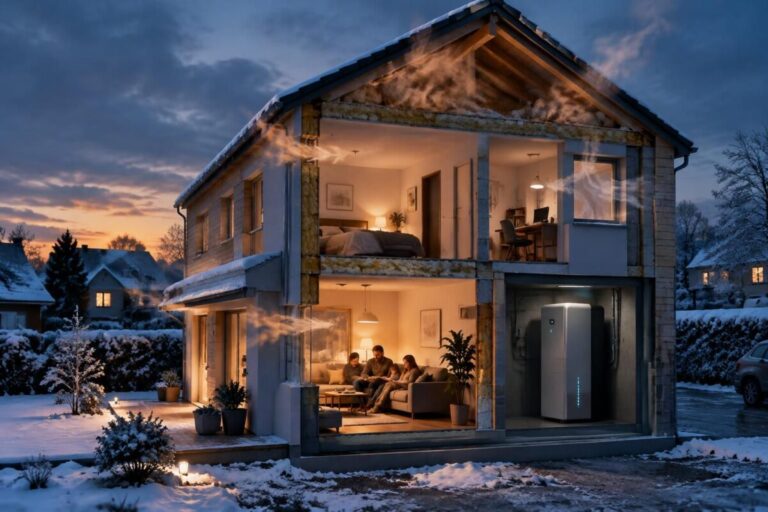
Insulating without a precise understanding of your home can lead to problems such as condensation, mold growth, and even thermal imbalances. It’s not just about slapping insulation everywhere; it’s about understanding the importance of thermal bridges, which, if left unaddressed, continue to cause heat loss. It’s an investment that can become a waste if poorly executed.
Imagine a home that has insulated its walls without addressing thermal bridges around the windows: cold air still seeps in. The result? Energy consumption remains high and comfort is reduced. The proverb says, “Prevention is better than cure,” and this applies perfectly here.
What are the implications for energy consumption and thermal comfort?
Heating represents a large portion of a household’s energy expenditure. In 2026, it remains essential to reduce this cost through proper insulation. Poor insulation means letting your money slip away through cracks or poorly treated walls, while creating lasting discomfort. However, complying with standards like RT 2020 guarantees better control of this energy consumption and optimal thermal comfort.
Clear steps for sensible and effective insulation
- Step 1: Evaluate the existing situation with a thermal diagnosis to identify critical areas.
- Step 2: Choose the most suitable insulation technique: interior, exterior, or targeted treatment of thermal bridges.
- Step 3: Carry out the work taking care not to create moisture traps and following expert advice.
Some key figures to know where to act first
| Insulation station | Potential reduction in thermal consumption | Advantage for comfort |
|---|---|---|
| Exterior walls | 20-30% | Best constant temperature |
| Attics and roofs | 25-40% | Avoid significant heat loss from the top |
| Windows and glazing | 10-15% | Limits the entry of cold air |
| Thermal bridges (corners, lintels) | 15-25% | Eliminates cold spots and condensation |
If you live in an older house, be careful not to cover a damp wall with unsuitable insulation: this can worsen the situation by trapping moisture. Conversely, if your house is new, perfectly installed exterior insulation remains the best way to avoid thermal bridges.
The most common insulation mistakes and how to avoid them
A poor understanding of needs often leads to:
- Insulating without addressing thermal bridges significantly reduces the expected gains.
- Choosing insulation that is too thick without considering the consequences on ventilation.
- Ignoring the quality of installation, which is crucial to preventing air leaks.
- Focusing solely on insulation without combining it with effective eco-friendly practices to reduce overall energy consumption.
To refocus your approach, I recommend consulting practical guides on essential eco-friendly actions and their applications in the home.
Adopt a holistic approach to maximize savings and your comfort
Isolation is good, but it must be part of a broader approach:
- Reduce energy consumption through appropriate heating and everyday actions.
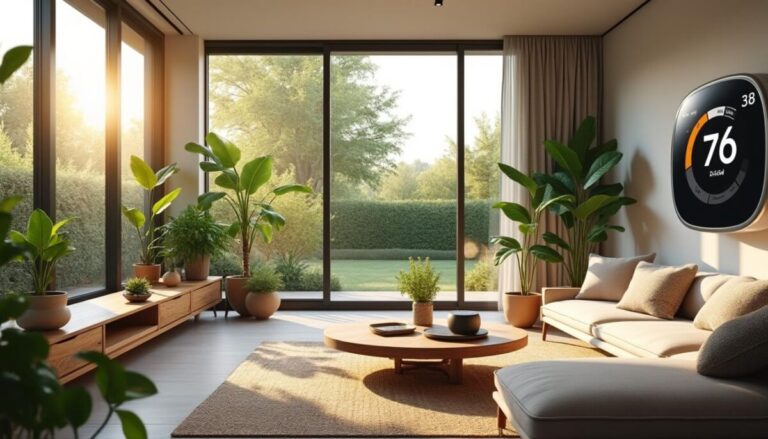
- Use a programmable thermostat to control your heating intelligently.
- Avoid using auxiliary heaters and bleed your radiators regularly for better efficiency.
- Maintaining the home to eliminate leaks hidden behind poor insulation
- Raising awareness among occupants about the importance of simple actions
A simple gesture, a powerful effect: the example of a caring family
A family that invested wisely in targeted insulation saw their heating bill drop by 30% in one year. Their comfort improved significantly, all without sacrificing their lifestyle, simply by better understanding their home and adopting simple eco-friendly practices.
How can I detect thermal bridges in my house?
A professional thermal diagnosis or an infrared camera can identify areas where heat escapes, often near corners, windows or wall-roof junctions.
Why can poor insulation worsen humidity?
What is the impact of poor insulation on my energy bill?
Poor insulation can increase your energy consumption for heating by 20 to 40% depending on the case, which weighs heavily on your bill and the environment.
How can I take advantage of financial aid to fund effective insulation?
Various schemes such as MaPrimeRénov’ or CEE financially support insulation work, especially if you pay attention to quality and performance.
What actions can I take in addition to insulation to reduce my energy consumption?
Use a programmable thermostat, avoid auxiliary heaters, close shutters or curtains at night, and adopt simple habits to optimize your heating.
Thank you for your interest; Claude