Insulation: simple draft or major defect
Hi, this is Claude. A draft isn’t always just a minor annoyance; it’s often a sign of a real insulation problem that causes heat loss and reduces your thermal comfort. Acting quickly to identify and repair these air leaks can significantly improve your home’s energy efficiency and lower your bills.
To do immediately
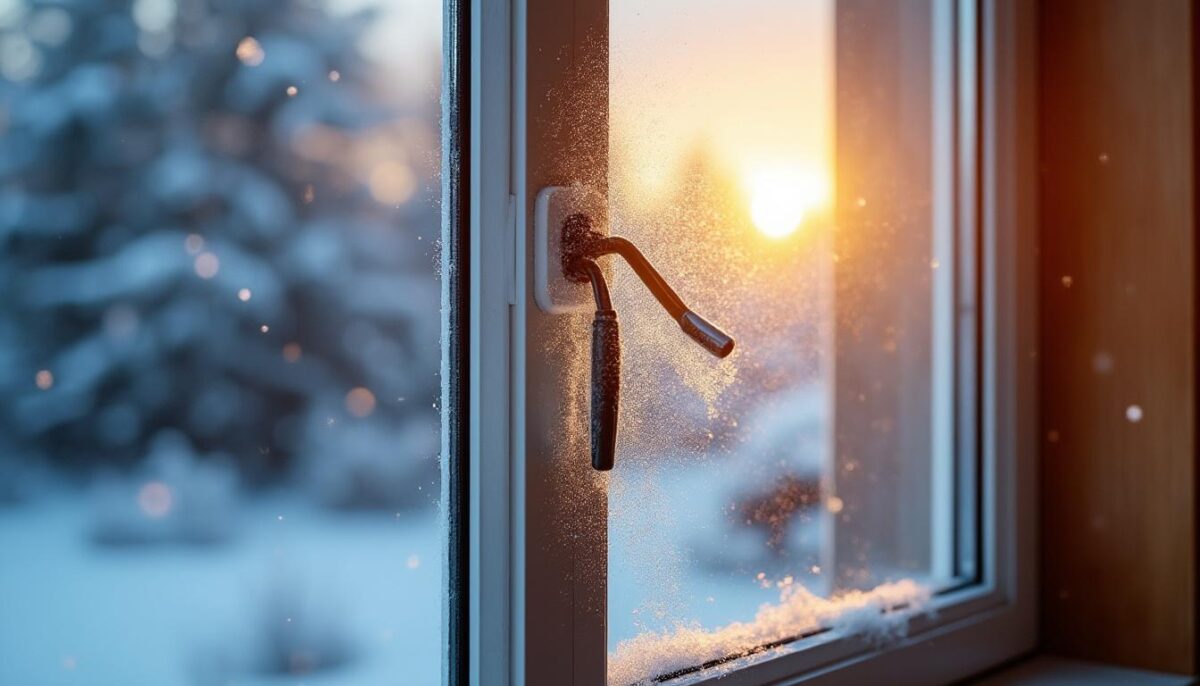
- Check the airtightness of the doors and windows by passing your hand through them to detect any drafts.
- Inspect the walls and ceilings for cold spots or signs of dampness.
- Check the insulation of the attic, which is often responsible for up to 30% of heat loss.
- Use a candle or incense stick to visualize air leaks.
- Think about making a thermal diagnosis to precisely target the vulnerabilities.
Drafts aren’t just a nuisance; they often reveal thermal bridges and incomplete or poorly installed insulation. This lack of insulation leads to excessive energy consumption and compromises your comfort at home. For example, a wall that feels cold to the touch or a poorly sealed window can damage the building envelope, causing consistent heat loss. A reliable thermal assessment is then necessary to identify a simple cold breeze and determine if there’s a real structural problem. By following this link, you’ll find advice on how to better understand and address these airtightness issues.
Also check out this comprehensive guide to prevent drafts from ruining your comfort and heating budget.
Tell-tale signs of insulation failure
Several simple signs betray poor insulation. First, a persistent feeling of cold even when the heating is running at full blast. Second, the presence of drafts around windows and doors or at baseboards indicates a problem with the airtightness. You might also notice rooms that are heated unevenly: a significant temperature difference between rooms indicates local thermal bridges.
Walls, ceilings, or floors that feel cold to the touch indicate insufficient or poorly installed insulation. Finally, the appearance of condensation or mold on certain surfaces suggests a lack of thermal insulation and airtightness. In summary:
- Feeling cold despite heating
- Regular drafts near windows and doors
- Uneven temperature between rooms
- Cold walls or floors
- Humidity and mold stains
Consequences of poor insulation on housing
A lack of insulation is not limited to simple thermal discomfort. It also leads to energy overconsumption to compensate for heat loss and a accelerated deterioration of buildingsCondensation promotes mold growth, impacting health. Furthermore, cracks can appear on facades, particularly in older houses exposed to humidity, typical of Mediterranean regions. Here is a summary table of the impacts:
| Weak point | Associated sign | Direct consequence |
|---|---|---|
| Windows/doors | Drafts, localized cold | Heat loss, high energy bill |
| Walls and partitions | Thermal bridge, heating system overheating | |
| Floors | Cold feet | Drift in thermal comfort |
| Roof/Attic | Rapid temperature variations | Massive heat loss |
An effective 3-step procedure to resolve these defects
- Diagnose : Uses a thermal camera to precisely locate air leaks and insulation defects.
- To prioritize Start with the most impactful areas such as windows, doors, then attic and walls.
- To intervene Replaces or repairs seals, adds insulation, optimizes airtightness with suitable membranes.
If it’s just a draft, repairing the seals will suffice. If the walls and attic remain cold despite this, you’ll need to consider enhanced insulation, either externally or internally.
A concrete example
In an old house in the Alpes-Maritimes region, the use of a thermal imaging camera revealed several thermal bridges around the windows and in the attic. After repairing the seals and adding insulation to the attic, the residents noticed a significant reduction in their heating bills and a return to comfortable temperatures. As the renovation expert said: “It’s better to act early, because every leak is costly in the long run.”
Simple solutions against air leaks and heat loss
To improve your energy efficiency, consider these concrete actions:
- Replace worn seals on doors and windows
- Install additional sealing strips
- Seal electrical outlets and small gaps
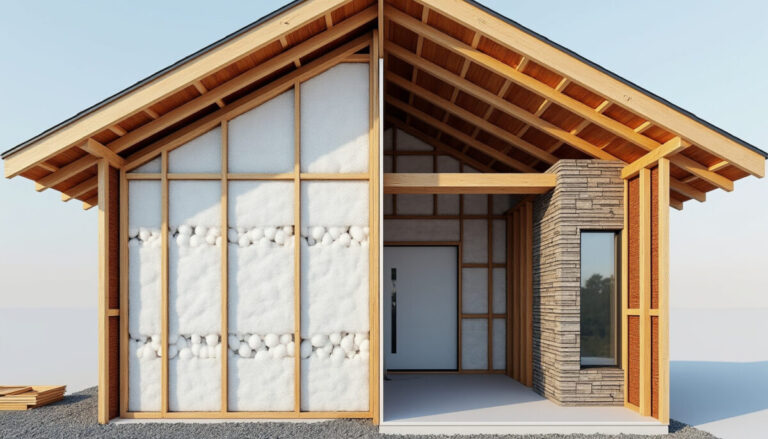
- Insulating the attic with suitable materials
- Install a vapor barrier to limit condensation
Simple, often overlooked actions can save up to 30% on energy by reducing air leaks and improving airtightness. This guide for a effective window insulation will provide you with more solutions to stop these invisible leaks.
What are the first signs of a faulty insulation?
The feeling of cold despite the heating, the presence of drafts near windows or doors, and the appearance of condensation or mold are the first indicators of poor insulation.
How to easily locate air currents?
A simple method is to run your hand around the frames or use a candle: if the flame flickers, it is a sign of air infiltration.
Why is it important to insulate the attic as a priority?
Attics often account for up to 30% of heat loss. Proper insulation is essential for improving comfort and reducing energy bills.
What is the difference between an air current and a thermal bridge?
Drafts originate from uncontrolled air leaks, while thermal bridging is an area where insulation is broken, allowing heat to escape.
Can I detect insulation defects myself?
Yes, with simple tricks like looking for air currents, observing cold areas, or using a portable thermal camera.
Thank you for your interest; Claude