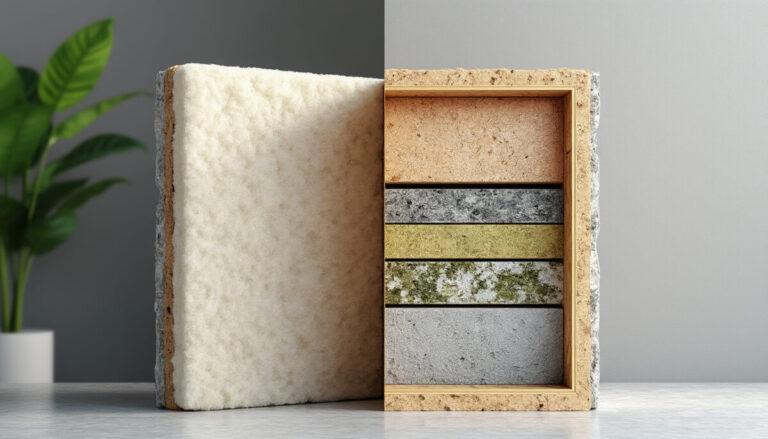

Energy: less heating without making the house damp
Hello, this is Claude. To reduce heating costs without making your house damp, you must first control humidity through good ventilation and effective airtightness.
- Open the windows wide for 5 to 10 minutes a day to refresh the air without cooling the walls.
- Replace window and door seals to limit cold air infiltration.
- Install a dehumidifier in the most humid rooms.
- Set the radiator temperature to 19°C in the main rooms.
- Use thermal curtains to break the cold bridges through the windows.
These actions are the beginning of good humidity and thermal comfort management. Understanding how to heat without heating And 8 effective eco-friendly actions to save energy can help you go further.
Controlling humidity for efficient heating and lasting thermal comfort
Humidity is often the main cause of a feeling of cold despite active heating. Air that is too humid cools down more quickly, forcing you to overheat. Regulating humidity through controlled ventilation prevents this. Ventilate regularly, especially in the kitchen and bathroom, to remove water vapor. Mechanical ventilation with heat recovery (MVHR) or even a simple air vent prevents condensation and protects your passive house from mold growth.
Never block ventilation grilles, as overly humid air is harder to heat. It is advisable to invest in a dehumidifier for rooms that are very sunny or poorly ventilated, especially in winter.
Air tightness and thermal insulation: the essentials
Before considering increasing your heating system or buying an expensive heat pump, make sure your house is airtight. Even minor leaks can dramatically increase energy consumption. Replacing seals, insulating roller shutter boxes, and installing door sweeps are simple, quick, and inexpensive ways to prevent cold drafts.
However, be careful not to over-insulate without providing controlled ventilation, as this will further increase indoor humidity. Good thermal insulation, combined with appropriate ventilation, optimizes energy savings.
Three simple steps to clean your home and reduce your bill
- Step 1: Seals air leaks around windows and doors. Cleans, then installs rubber or foam seals.
- Step 2: Ventilate thoroughly but briefly every day to renew the indoor air without losing the accumulated heat.
- Step 3: Install a dehumidifier or check that your mechanical ventilation system is working properly.
If your house has high humidity, reducing the heating without proper control will be counterproductive. If your ventilation is good and the airtightness is adequate, you can lower the heating while keeping one main room at 19°C and the rest at 16-17°C.
A simple yet highly effective gesture
An interesting tidbit: a household lowers the temperature by just one degree and uses a dehumidifier to stabilize the dry air. The result: the feeling of cold disappears, the bill decreases, and the house remains healthy. As one expert put it, “heating dry air is always cheaper.”
A chart to manage temperatures in different rooms and prevent humidity
| Part type | Recommended temperature (occupied) | Temperature (unoccupied) | Objective |
|---|---|---|---|
| Living room, living spaces | 19 °C | 16 °C | Optimal thermal comfort with energy savings |
| Rooms | 17 °C | 16 °C | Sleep quality and energy saving |
| Bathroom | 22 °C (occasional) | 17 °C | Avoid condensation and humidity |
| Traffic areas | 16 °C | 14 °C | Frost-free maintenance and sound structure |
Prioritize maintenance and behaviors for a healthy home
Energy efficiency also depends on daily management. Bleed your radiators, avoid energy-intensive standby modes, and program a smart thermostat based on your presence. A poorly maintained system wastes 10 to 15% of energy without improving comfort.
Here are a few simple steps to optimize your heating without humidifying the air: never block ventilation, open windows briefly and intensely, and be careful not to waste the heat produced.
A tip for old windows
If you don’t already have double glazing, install heat-shrink film to create secondary glazing that limits heat loss without major work.
Managing humidity sustainably with controlled ventilation and passive houses
Beyond emergency measures, investing in controlled ventilation greatly improves air quality and reduces humidity. The passive house concept relies on this optimal combination of airtightness and controlled exchange with the outside.
This approach reduces heating consumption while maintaining stable thermal comfort. Modern heat pumps, when properly sized and coupled with a well-insulated house, fit perfectly into this energy-saving strategy.
Practical list: 5 concrete actions to reduce humidity and heat efficiently
- Seal the windows and doors to avoid cold drafts.
- Ventilate daily 5 to 10 minutes with a draft.
- Install a dehumidifier or check that the ventilation system is working properly.
- Use thermal curtains or blinds to reduce thermal bridges.
- Program the heating temperature depending on the rooms and the time of day.
Why shouldn’t we block the ventilation grilles?
Blocking air inlets prevents air renewal and increases indoor humidity, making the house harder to heat and promoting mold growth.
How to avoid the feeling of dampness in warm conditions?
Make sure to ventilate regularly and use a dehumidifier. Good airtightness also prevents humid air from seeping in.
What is the ideal temperature for heating without wasting energy?
In general, 19°C in living areas and 16-17°C in bedrooms is sufficient for optimal thermal comfort.
Is it possible to do without heating altogether by 2026?
With a well-designed passive house and good management of solar and internal heat gains, it is possible to greatly reduce or even eliminate active heating, but this requires rigor and adaptation.
Are heat-shrink films a good solution?
Yes, they improve the insulation of single-glazed windows without major work, thus reducing heat loss.
Thank you for your interest; Claude