Energy: A Self-Sufficient Home, a Worthwhile Dream or a Real Money Pit
Hello, this is Claude. An energy-independent home is possible, but aiming to go completely off-grid is expensive: start by reducing your needs, then produce and store the energy suited to your home. In France, a high degree of energy independence is often more realistic than completely disconnecting from the grids. A good project also protects your budget and reduces your carbon footprint, without promising a miracle solution.
Things to do right away
- Track your electricity and heating consumption over a year.
- Identify heat loss and the priority thermal renovation work.
- Check the roof’s orientation, shading, and local planning rules.
- Compare self-consumption with a battery and self-consumption without storage.
- Get an audit and several quotes before making any major purchase.
To get started, see this advice on avoiding buying a battery too soon and this overview of the options for an energy-independent home. The principle is simple: first reduce what the home needs, then size what it produces.
Energy-independent home: where does the dream end and the cost begin?
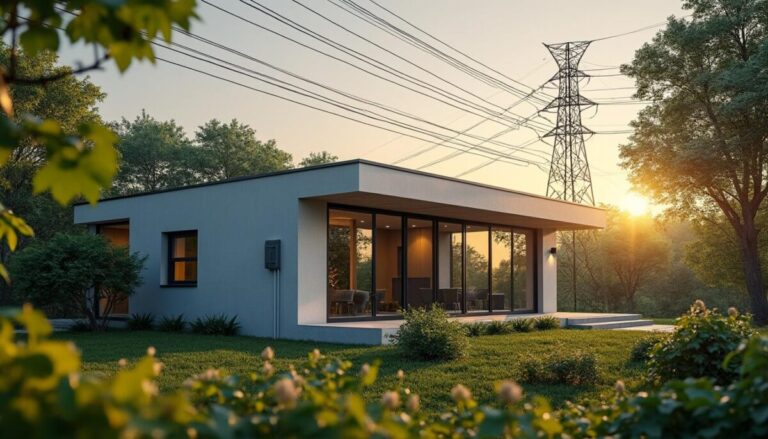
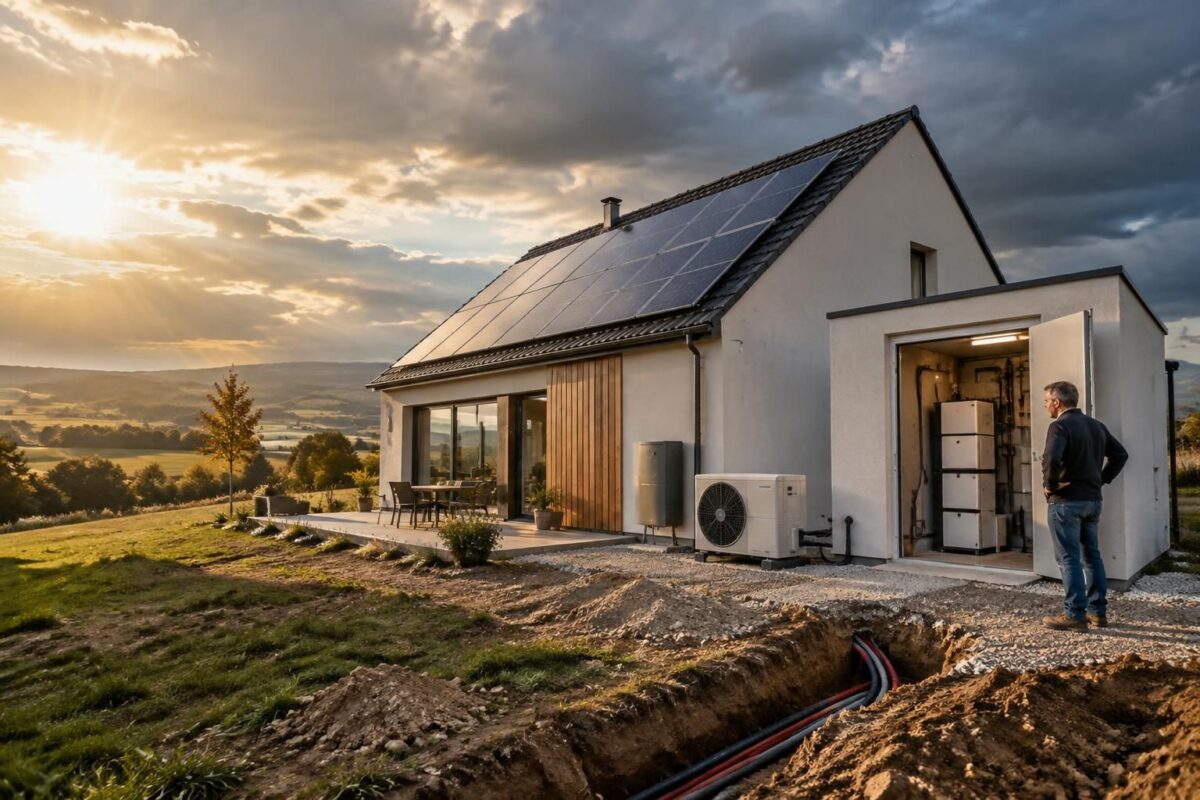
An energy-independent home produces and manages a large share of its needs. But complete independence all year round is a demanding goal: winter days reduce solar production, while heating needs increase. A home connected to the grid but able to cover a large share of its consumption often offers a more flexible compromise.
The system relies on several elements: a well-insulated building envelope, a renewable energy source, energy-use management and, depending on the project, battery storage. Water and wastewater treatment also matter if the goal is to live entirely off-grid.
“The best energy is often the energy you don’t need to consume.” That’s why thermal renovation generally comes before adding solar panels: it reduces energy needs and can limit the necessary installation cost.
Self-consumption or energy independence?
Self-consumption means using the electricity produced on-site directly. It can reduce electricity purchases from the grid, but it does not mean that the home is independent at every hour of the year. A battery shifts some solar energy to the evening, but does not eliminate periods of low production.
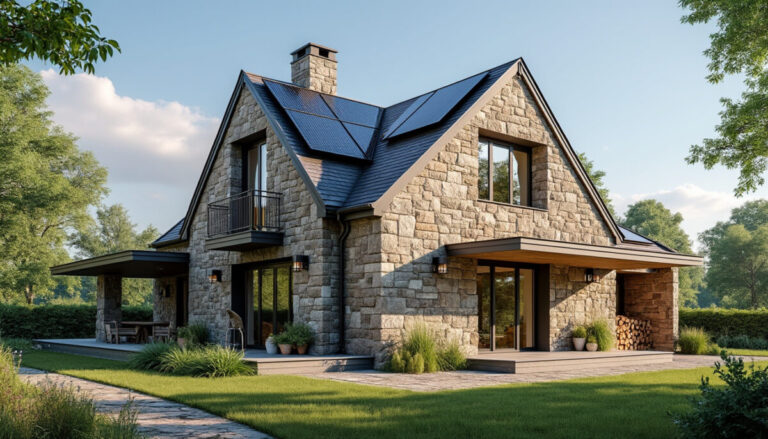
Solar power can be complemented by a wood or pellet stove, a solar water heater, or another source suited to the site. The right mix depends on the climate, the building, and the household’s habits: resilience matters more than an appealing independence figure on paper.
Solar panels and battery storage: indicative figures
For a detached house, a photovoltaic system is often around 3 to 9 kWp, depending on consumption, the roof, and the region. As an indication, a 3 kWp system without a battery may cost around 6,000 to 9,000 euros, while a 6 kWp installation with a 5 kWh battery may cost 12,000 to 16,000 euros, depending on the model, installation, and circumstances.
These amounts do not guarantee a specific level of energy independence. You need to look at consumption hour by hour, sunshine levels, and the ability to shift some uses to production hours. An oversized battery can undermine energy cost-effectiveness if it is often underused.
| Project | Indicative range | What to check |
|---|---|---|
| Solar around 3 kWp, no battery | About €6,000 to €9,000 | Share of electricity consumed during the day |
| Solar around 6 kWp with a 5 kWh battery | About €12,000 to €16,000 | Consumption profile and useful storage duration |
| Full renovation toward a high level of energy independence | About €25,000 to €50,000 for some projects | Condition of the home, heating, water, and work required |
| New 100 m² passive house | About €160,000 to €250,000, excluding land | Specifications, region, and desired level of energy independence |
These ranges are guidelines, not quotes. A completely off-grid project may require additional equipment and modifications, particularly for winter periods and water supply.
Reduce your needs before producing more
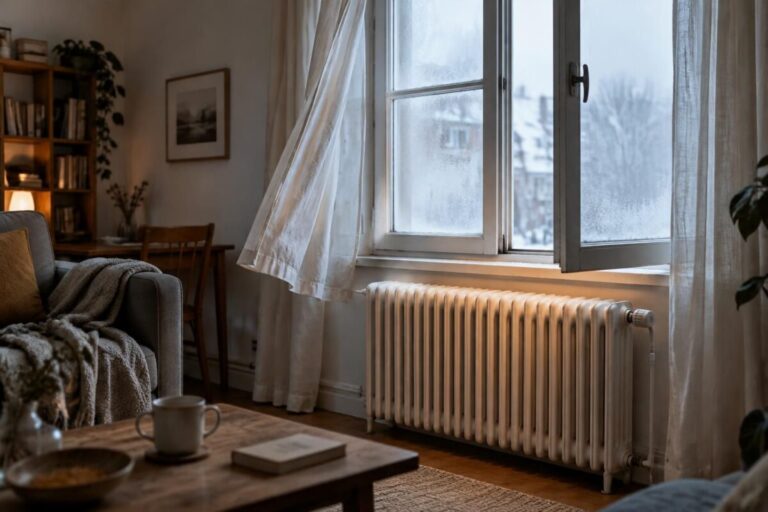
Good insulation, suitable windows, and effective ventilation reduce heating needs. The choice of system also matters, but no electric heater can turn a small amount of electricity into more heat: differences in comfort and control are no substitute for an efficient building envelope.
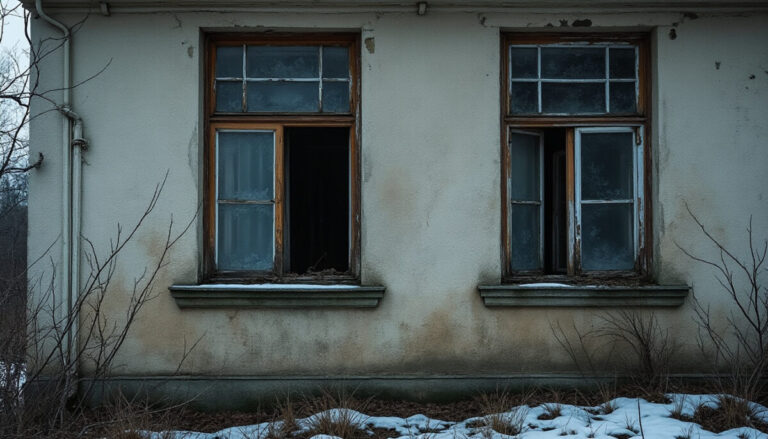
A familiar anecdote comes up during visits to renovated homes: the owner first thinks about adding panels, then discovers poorly insulated attic spaces. A few targeted improvements can then reduce needs year-round, even before solar panels are installed.
For an older home, avoid major work if your budget is tight: first address air leaks and the areas with the greatest heat loss, then reassess consumption. Using less energy does not mean living in discomfort; it helps you choose less powerful equipment that is easier to upgrade.
Three steps to building a realistic project
- Step 1: measure your needs. Review your bills, heating, and seasonal uses, then get an energy audit if substantial work is needed.
- Step 2: reduce demand. Prioritize insulation and heating suited to the home before sizing panels and storage.
- Step 3: compare solutions. Request detailed quotes, check that installers are qualified, and add a battery only if it meets a genuine need.
Renovation, regulations, and grants: useful checks
For a renovation, a project can be carried out in stages: insulation, solar generation, then storage if the household’s energy use justifies it. An audit helps you avoid oversizing a system or investing in a battery before reducing consumption.
For new construction, RE2020 sets requirements for energy performance and carbon impact. In all cases, check the local urban plan (PLU) before modifying a roof or installing certain equipment. Non-collective wastewater treatment systems are subject to inspection by the SPANC, and rainwater use is regulated: it should not be assumed to be potable.
Grants may be available for certain energy-efficiency improvements, depending on the rules in force, income, and the nature of the project. Check the conditions with France Rénov’, ANAH, or local authorities before signing a quote; using an RGE-certified contractor is required for several schemes.
Two situations to help you choose the right approach
If your home is poorly insulated and your heating bills are high, start with thermal renovation. If the home is already energy-efficient and you use most of your electricity in the evening, compare a battery with scheduling appliances to run during the day before aiming to go off-grid.
Ultimately, a useful energy-independent home is not necessarily one that is disconnected from everything. First and foremost, it is a comfortable, energy-efficient home that is better able to withstand changes in prices and supply.
Can you live completely off-grid in France?
It is technically possible, but it requires a thorough assessment of electricity, heating, water, and wastewater treatment. Also check planning rules and local requirements before starting the project.
What capacity of solar panels should you plan for?
Capacity depends on consumption, sunshine, the roof, and heating. A system around 3 to 9 kWp is a common ballpark for a detached house, but should be confirmed by professional system sizing.
Is a battery essential?
No. It can increase the share of solar electricity used in the evening, but its value depends on energy use and cost. First reduce your needs and compare its actual contribution with managing when appliances run.
What work should be done first?
Start by measuring consumption, then address heat loss and the heating system. Once needs have been reduced, size renewable generation and any storage.
Thanks for your interest; Claude