Materials: cheap insulation, a bad long-term idea
Hi, this is Claude. To insulate effectively without breaking the bank and while respecting the planet, choosing cheap insulation can quickly become a bad idea in the long run. The solution lies in sustainable materials that combine energy efficiency, durability, and a controlled environmental impact. Rather than giving in to the temptation of overly cheap products of dubious quality, simply opt for bio-based or recycled insulation, which is often more economical over time and good for the planet. Insulating properly means investing in quality to avoid unpleasant surprises.
To do immediately
- First, identify the most significant heat losses: attics, walls, floors.
- Choose durable insulating materials such as hemp, cellulose wadding or wood wool.
- Opt for recycled insulation materials to reduce insulation costs and environmental impact.
- Plan a complete insulation solution tailored for optimal thermal efficiency.
- Consult specialized resources and call upon an RGE expert for an appropriate insulation choice.
To learn more, feel free to explore this complete guide to eco-friendly insulation or consult this top sustainable and economical materialsThese resources will help you prevent your insulation from becoming a bad long-term idea.
Cheap insulation: pay attention to durability and insulation quality
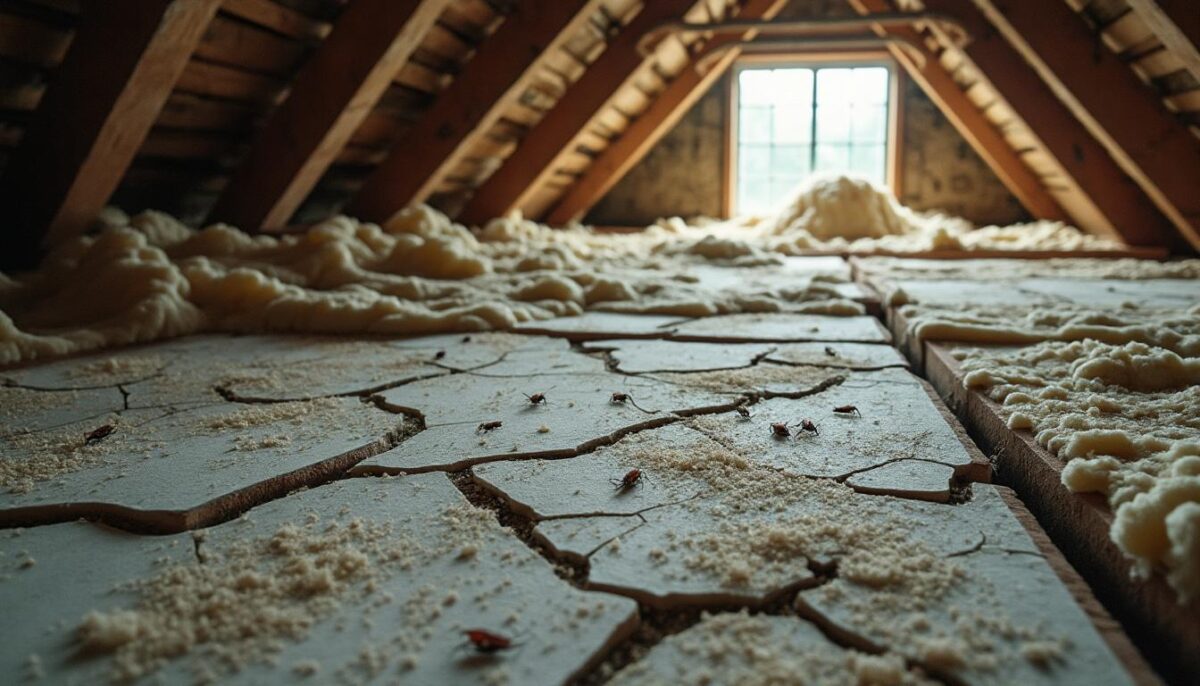
It’s a common mistake to be tempted by cheap insulation without considering its durability. Very low-quality materials often offer poor thermal performance or degrade quickly, leading to repeated maintenance and increased overall costs. Some synthetic insulation materials, while affordable, have a high environmental impact and a short lifespan. In the long run, the “cheap” insulation cost is no longer advantageous.
Conversely, natural materials like cellulose wadding or hemp, while sometimes slightly more expensive initially (between €15 and €35/m² depending on quality and installation), guarantee better durability and increased comfort. This is often a smarter choice, compatible with current environmental requirements and the 2026 standards.
The most efficient and affordable sustainable insulation materials
| Material | Approximate price (€/m²) | Durability (years) | Insulation Performance (insulating quality) | Main asset |
|---|---|---|---|---|
| Cellulose wadding | 10-20 | 15-30 | Good | Economical, recycled |
| Hemp | 20-35 | 40+ | Excellent | Biodegradable, natural |
| Sheep’s wool | 15-30 | 20-30 | Good | Breathable, eco-friendly |
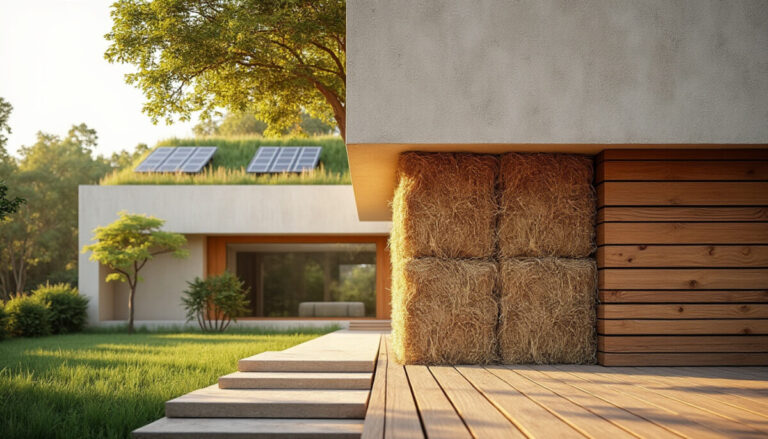
| Compact straw | 5-15 | 15-25 | Good | Renewable, inexpensive |
If you’re on a tight budget, straw or cellulose wadding remain a good starting point. If durability and performance are the priorities, hemp offers a virtually unbeatable value proposition, even beyond the initial costs.
3 simple steps to successfully insulate without making a mistake
- Assess the needs It precisely identifies the areas that need more urgent insulation (attics, exterior walls, floors). A thermal audit is often useful.
- Choosing durable insulation : Opt for bio-based or recycled materials adapted to your climate, budget and the desired insulation quality.
- Install the insulation correctly Implementation is crucial, especially to avoid thermal bridges and ensure good airtightness. A RGE-certified professional can be a valuable ally.
For example, one family saved approximately 30% on their heating bill after insulating their attic with affordable cellulose wadding, thus avoiding the need for multiple renovations. This long-term saving validated their wise choice.
Sustainability: the key to a smart investment in insulation
Investing in quality insulation, even with a slightly higher initial cost, ensures greater durability and a reduced environmental impact. Contrary to popular belief, the lifespan of bio-based insulation often exceeds that of inexpensive synthetic insulation. This reduces waste and avoids the need for frequent material replacement.
“Simplicity is the ultimate sophistication,” said Leonardo da Vinci, reminding us that efficient thermal insulation relies on natural, simple, and sustainable choices. This approach is essential to guaranteeing thermal efficiency and comfort without unpleasant surprises.
Opting for natural insulation also improves indoor air quality and reduces the risk of allergies related to synthetic materials. It’s a double benefit for both health and the environment that you should consider.
For a more in-depth guide on the insulating efficiency and durability of materials, check out the expert comparison available on this dedicated website. high-performance, eco-friendly insulation.
Don’t sacrifice energy efficiency for a price that’s too low.
Poor insulation is often the result of a price that’s too low, masking compromises in insulation quality and durability. Besides the loss of thermal efficiency that increases energy bills, inadequate insulation can lead to problems with humidity, mold, and general discomfort.
Choosing high-performance insulating materials at a reasonable cost, such as cellulose wadding, is a winning compromise. And even for smaller budgets, there are attractive options like compressed straw that meet the requirements of a healthy and sustainable home.
To better understand these issues and find out which solutions to adopt, you can consult this article on cheap and effective natural materials.
What are the economical and durable insulation materials that offer the best energy performance?
Cellulose wadding, hemp and sheep’s wool are economical and sustainable insulating materials offering a good balance between thermal performance, reasonable insulation cost, and reduced environmental impact.
Can we guarantee long-lasting insulation with cheap insulation?
In general, the least expensive insulation materials have a shorter lifespan, which can lead to frequent replacements. It is better to choose bio-based or recycled insulation, which lasts longer and ensures stable thermal performance.
What are the long-term risks of poor-quality insulation?
Poor insulation can lead to higher energy bills due to insufficient thermal efficiency, as well as problems related to humidity, mold, and increased discomfort.
How to choose the right insulation for good value for money?
Thermal performance, durability, insulation cost, and environmental impact must be analyzed. Consulting a professional and referring to specialized comparisons will help you choose the best insulation option for your project.
Can the insulation be installed by oneself?
For some materials, such as cellulose wadding, installation can be considered for self-build projects with proper training. However, a certified professional guarantees better airtightness and a result that meets standards, especially for more technical insulation materials.
Thank you for your interest; Claude