
Materials: old stone house, what to avoid urgently
Hello, this is Claude. When renovating an old stone house, it’s essential to avoid waterproof and harsh materials that damage the stone and impede the natural breathability of the walls. These mistakes can lead to rapid deterioration of the stone, cracks, and moisture problems.
To do immediately :
- Avoid cement and any modern mortar that is not compatible with stone.
- Do not use waterproof paints or coatings.
- Refuse to use harsh chemicals for cleaning facades.
- Assess the condition of the walls and their humidity level before any intervention.
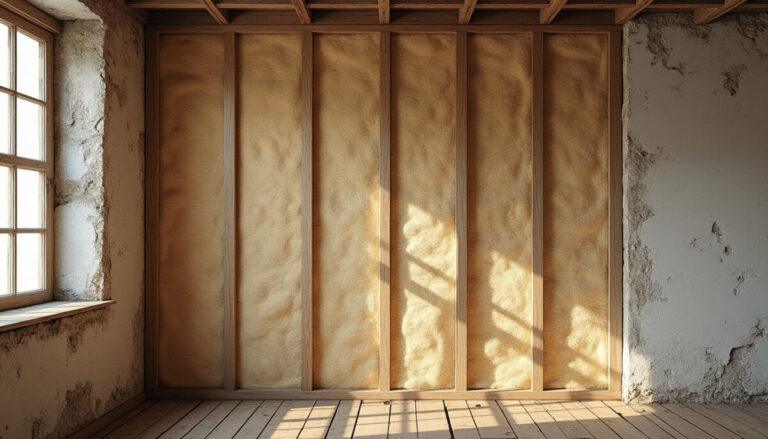
Renovating a stone house requires understanding its unique structure and adopting traditional techniques to ensure its preservation. More information on the methods adapted to stone restoration and the breathable insulation materials are available to help you get your work off to a good start.
Why avoid waterproofing products and cement mortars in an old stone house?
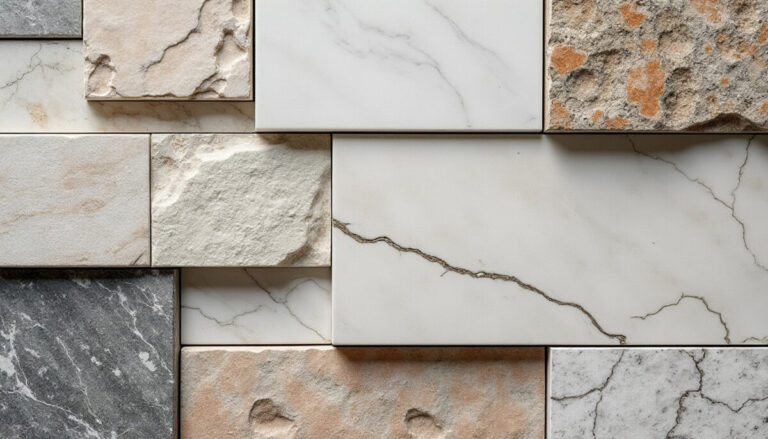
Stone houses function like living organisms. The walls need to be able to “breathe” to prevent moisture buildup. The use of cement mortars or impermeable coatings block this respiration and lead to rapid deterioration of the stoneThis common mistake causes cracks and significant mold or saltpeter growth, as well as a strong humidity
A craftsman in an old Breton farmhouse noticed that replacing lime mortar with cement had caused significant crumbling of the stones within a few years, a real nightmare for the preservation of the building.
Materials to be banned immediately
- Modern Cement and Concreteincompatible with natural stone.
- Plastic or waterproof paints that suffocate the wall.
- Harsh chemicals to clean the facades, which could damage the stone.
- Synthetic insulation polystyrene or glass wool type materials that block capillary action.
- Plaster-based coatings not suitable for old buildings.
Environmentally friendly solutions incorporate traditional and bio-based materials. Prioritize a aerial lime mortar for joints and coatings to ensure the permeability of the walls.
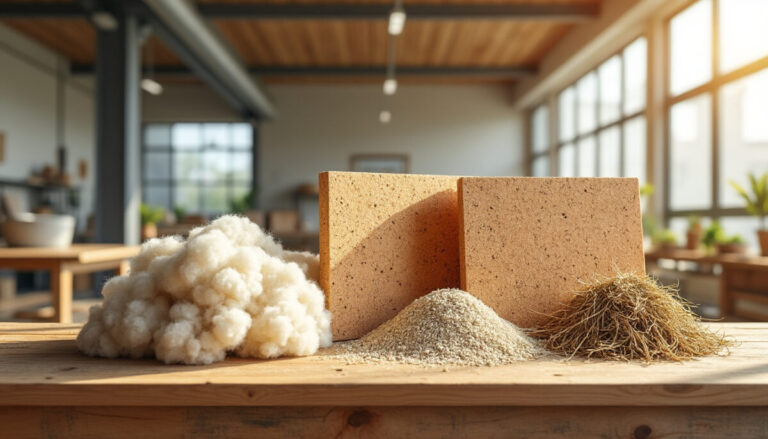
For insulation, materials such as hemp wool, there or the These natural insulators ensure good humidity regulation. They promote the harmonious breathing of the stone and limit the risks of moisture accumulation.
How do you install these materials correctly?
- Step 1: Inspect and clean your facade gently using soft brushes and clean water.
- Step 2: Apply a compatible lime mortar to the joints after wetting the stones.
- Step 3: Choose breathable insulation, and apply lime-hemp plaster if you opt for exterior insulation.
How to avoid moisture and protect the stone in the long term?
Ventilation is also key. Even with the right materials, sufficient air circulation is necessary to prevent condensation and mold. Proper drainage at the foundation level is also essential to prevent rising damp.
If the house is located in a humid area, prioritize highly breathable plasters and materials, and pay close attention to the quality of the flashings and gutters. If the stone is heavily cracked, targeted consolidation using traditional methods is necessary.
Table of materials to use and avoid in an old stone house
| Materials | To use | To avoid | |
|---|---|---|---|
| Mortars | Air lime, hemp lime | Cement, concrete | Allows breathing, limits cracks |
| Coatings | Protects while allowing air to breathe | ||
| Insulation | Hemp wool, wood fiber, cork | Polystyrene, glass wool | Regulates humidity, prevents condensation |
| Soft brush, clean water | Harsh chemicals | Preserve the stone | |
| Moisture treatment | Drainage, capillary break | Waterproof materials | Prevents water from rising up |
A quote to remember: “The charm of an old stone house lies in its ability to breathe and live with its environment.” Keeping this principle in mind will save you a lot of trouble.
Anecdote
At one client’s home, the use of fiberglass insulation in an older house caused high humidity levels and visible damage in less than five years. Switching back to natural materials quickly stopped the problem.
How to detect signs of deterioration on an old stone house?
Observe for cracks, efflorescence, and mold on the walls. A professional assessment is recommended to evaluate the moisture level and the condition of the foundations.
What materials should be preferred for insulation?
Hemp wool, wood fiber and cork are the natural insulators to favor to maintain the breathability of stone walls.
Cement is too rigid and prevents the stone from breathing, which causes cracks and accelerates deterioration.
Can lime plasters be used outdoors?
Yes, lime or lime-hemp plasters are ideal because they protect the stones while allowing moisture to pass through.
How to limit humidity in walls?
Good ventilation, efficient foundation drainage, and the use of breathable materials help to control moisture.
Thank you for your interest; Claude