Materials: natural or cost-effective, which should you choose?
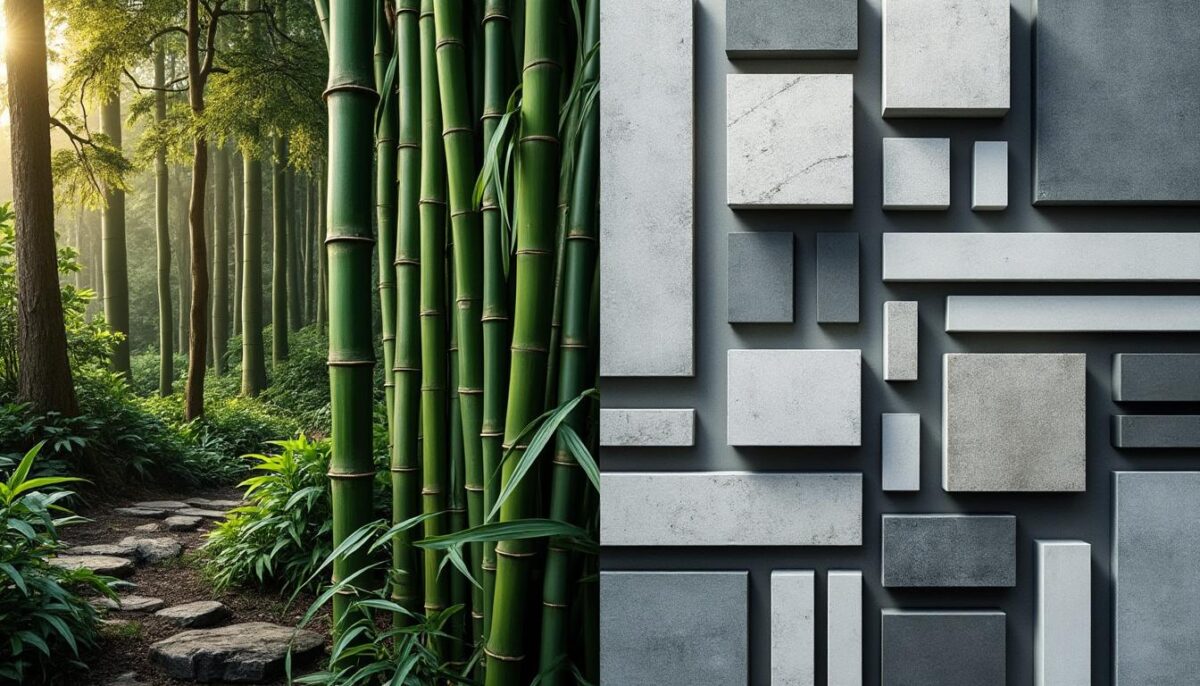
Hello, this is Claude. There is no need to choose between natural materials and profitability: the right strategy combines ecology, sustainability and economic performance.
Building a sustainable home involves using environmentally friendly materials while ensuring an excellent return on investment. My article helps you understand how to combine natural and profitable options, because one doesn’t exclude the other.
To do immediately
- Prioritize local bio-based materials for a double ecological and economic benefit.
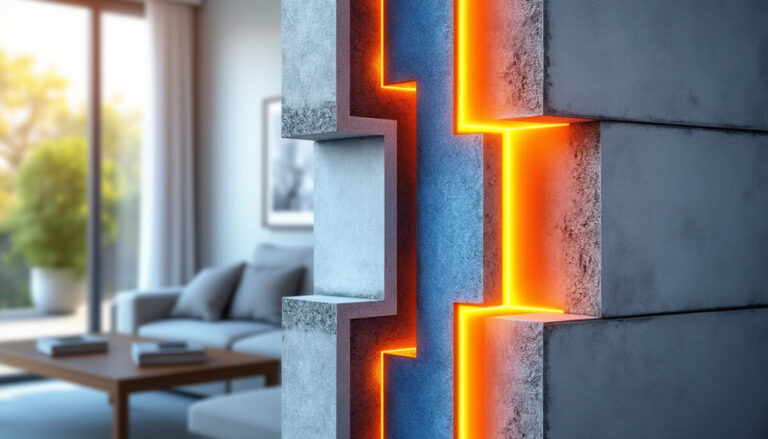
- Optimize insulation with high-performance natural materials to reduce your energy bills.
- Choose solutions adapted to your climate to maximize the durability of your building.
- Plan a budget that includes reuse and self-construction to reduce costs.
- Find out about the available financial assistance for using eco-friendly materials.
To learn more, discover practical solutions in this article on durable and cost-effective materials and find a A complete guide to choosing natural materials adapted to your construction.
Natural materials: a sustainable choice with economic advantages
Natural materials like wood, raw earth, and local stone are not only environmentally friendly, but they also offer excellent thermal performance. Wood, for example, naturally stores CO₂ and has superior thermal insulation compared to concrete. Raw earth regulates humidity and maintains a stable temperature, while stone provides significant thermal inertia against climatic fluctuations.
Field experience shows that these solutions can reduce annual energy bills by 40 to 50%, depending on the building. In other words, investing in well-chosen natural materials often results in a rapid return on investment, sometimes in less than ten years.
Performance, cost and environmental footprint: comparative table
| Material | Average cost (€ per m²) | Thermal performance (λ W/m·K) | Durability (years) | Environmental impact |
|---|---|---|---|---|
| Local wood (oak, chestnut) | 900-1200 | 0.12 (very good) | 80-100 | Stores CO₂, renewable |
| Raw earth (rammed earth, adobe) | 50-150 | 0.35 (good) | 100+ | Little processed, recyclable |
| Local natural stone | 200-500 | 1.50 (average) | 200+ | Low embodied energy, recyclable |
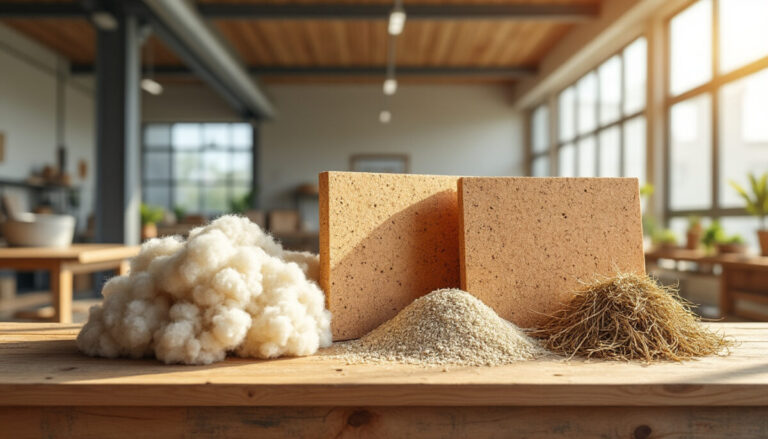
| Plant-based insulation (sheep’s wool, hemp) | 10-25 | 0.035 – 0.048 (excellent) | 50+ | Renewable, non-toxic |
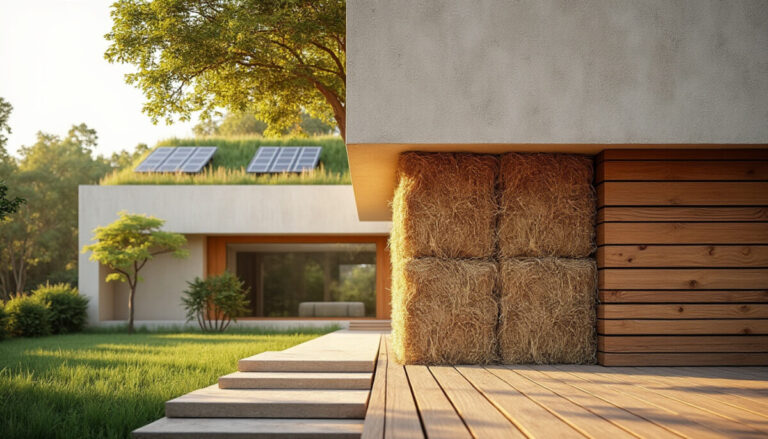
| Straw (insulation) | 2-3 | 0.052 (good) | 50+ | Directly available, renewable |
When ecology rhymes with economic strategy
If you’re on a tight budget, partial self-build using materials like straw or raw earth can reduce your labor costs by up to 60%. If you live in a humid area, prioritize breathable materials like sheep’s wool or wood fiber, which limits health risks and increases durability.
“Investing in nature is investing in your quality of life”: this phrase perfectly illustrates the growing importance of profitable ecological projects today. Thanks to government assistance programs such as MaPrimeRénov’ or the Eco-PTZ loan, you can finance a significant portion of your initial investment.
Innovations for a sustainable and high-performance material choice
Innovations in natural materials are constantly evolving, integrating modern needs while limiting environmental impact. For example, compressed earth blocks (CEBs) combine strength and good insulation, while hempcrete offers an excellent compromise between strength and ecology.
PEFC certification guarantees sustainable forest management for wood, but there are also environmental labels that certify the origin and performance of the materials used, thus ensuring a sustainable investment over time.
3 steps to choosing cost-effective natural materials
- Analysis of your project and its environment : take stock of your budget, climate, land and local constraints.
- Selection of suitable materials : favours local materials, which perform well for thermal comfort and air quality.
- Implementation with trained craftsmen or guided self-build : respects the techniques to ensure durability and performance.
From natural materials to the finish: beauty, health and longevity
Clay or lime-based plasters contribute to indoor air quality while creating a warm atmosphere. Solid oak flooring offers comfort, durability, and can be refinished multiple times.
Choices in finishes should not be overlooked: they complement the energy efficiency of the building and enhance daily well-being.
FAQs
Why choose natural materials for construction?
They offer better thermal performance, healthier indoor air, reduce carbon footprint and often reduce energy bills in the long term.
Are natural materials more expensive?
The initial cost is sometimes higher, but often offset by energy savings and sustainability, especially with self-build and available subsidies.
Which natural materials are suitable for a humid climate?
Local wood, sheep’s wool and wood fiber are suitable because they regulate humidity and prevent problems related to condensation.
How can we guarantee the quality of ecological materials?
By checking certifications like PEFC or Nature Plus, you ensure their traceability and performance.
What are the advantages of natural insulation?
They are thermally efficient, regulate humidity, are healthy and have a low environmental impact compared to synthetic insulation.
Thank you for your interest; Claude