Energy: old, cold house, does it need a complete renovation?
Hello, this is Claude. For an old, cold house, it’s not always necessary to redo everything; often, targeted insulation and better heating management are enough to significantly improve thermal comfort and reduce energy consumption.
To do immediately
- Stop drafts by sealing doors, windows and technical ducts.
- Install thermal curtains and lay down a thick rug to limit the radiation of cold from the walls and floors.
- Take advantage of the sun by opening exposed shutters and curtains to capture natural heat.
- Limit the heated volume by closing off rooms that are not used often and lowering their temperature.
- Dress warmly to lower the thermostat setting and save energy.
These simple measures, in addition to a energy diagnosis These precise measurements allow you to quickly see where heat is escaping and how to address it without necessarily renovating everything. To delve deeper, you can also take a look at this guide on renovating old houses.
Why does your old house stay cold despite the heating?
The key to the problem: your home loses heat through the roof, walls, and windows, generally in that order. Without sufficient insulation, even a 20°C heating system leaves you feeling cold due to the radiant heat from cold walls and uninsulated floors. For example, a 14°C wall directly in front of you causes heat loss without the surrounding air feeling cold. Air stratification in upper rooms further exacerbates this feeling. That’s why you need more than just a plugged-in radiator to be comfortable.
A bit of background: a client had an old house from the 1960s and complained about the constant cold. After insulating his attic and installing thermal curtains, he reduced his heating bill by 30% while gaining several degrees in his living room.
The 3 essential steps to improve your freezing cold house without a complete renovation
- Make an energy diagnosis to identify the areas where the most heat escapes.
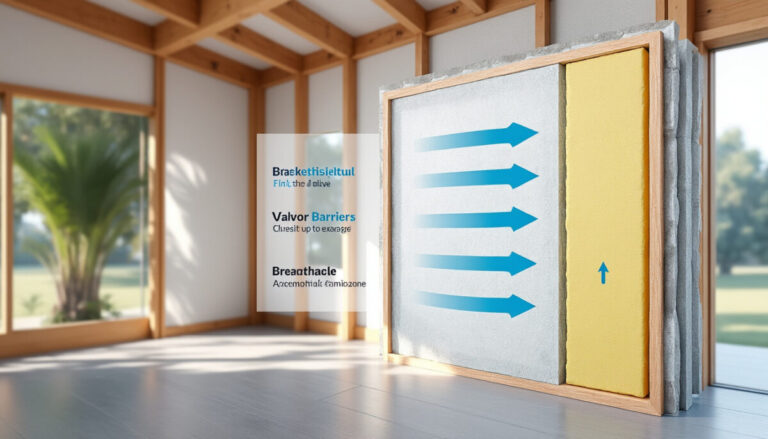
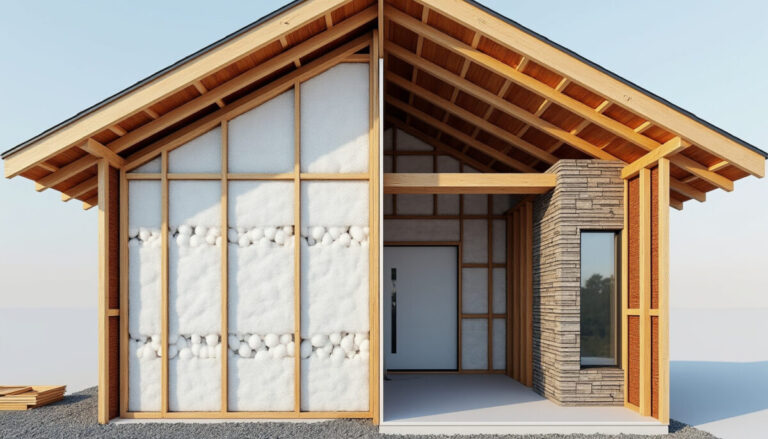
- Prioritize insulating attics and walls by using suitable materials to reduce losses.
- Optimize ventilation and adjust heating with intelligent programming based on presence.
Acting in this order maximizes results and avoids unnecessary expenses, especially if you take into account bio-based materials for a more ecological renovation.
Best practices for heating in an old house
Don’t place your radiators against furniture or under curtains. A radiator that’s stifled heats less efficiently. Remember to bleed your radiators every year to prevent air bubbles that reduce performance. Good programming, such as the “30-minute rule” which turns on the heating just before you get home, while lowering the temperature at night, generates substantial savings. Dressing warmly also prevents unnecessary overheating.
Summary table: priorities and impacts on the energy bill
| Priority | Targeted area | Expected benefits | Impact on the bill |
|---|---|---|---|
| Thermal insulation | Attics, walls, floors | Significant reduction in thermal bridges | -40 to -60% |
| Joinery | Windows, doors | Reduced heat loss and improved airtightness | -10 to -20% |
| Ventilation | All parts | Air quality and limiting heat loss | -5 to -15% |
| Heating | The whole house | Adapted thermal comfort and optimized energy consumption | -10 to -30% depending on insulation |
Quick case
If your old house has a lot of drafts, start by insulating and sealing before touching the heating system.
If it is a new house but feels cold, adjust the ventilation and optimize the heating.
A quote to keep in mind: “The best energy is the energy we don’t consume.” This highlights the importance of addressing your building’s thermal envelope, not just the heating.
Natural tips to limit the free cold in your home
- Closing shutters and curtains at night can reduce heat loss through windows by up to 60%.
- Use thick rugs to neutralize the cold floor.
- Place a bowl of water on the radiators to increase humidity and reduce the feeling of cold.
- Enjoy the sun during the day by opening wide south-facing windows and shutters.
- Segment your rooms to limit heat to living areas.
It’s the small actions that add up that make a difference to your comfort and your bill.
Improving energy performance sustainably
Renovating an old house is a real project: it’s not just about replacing the heating system. Insulation remains the crucial preliminary step that must be mastered to regulate the temperature and reduce energy consumption in the long term.
Remember, addressing insulation, ventilation, and heating with a holistic approach can improve your comfort without replacing your entire house. To understand how to properly insulate a house against the cold, consult this excellent guide. practical article and the complete guide about the energy renovation of an old house.
Why is my old house so cold despite the heating?
Because the walls, windows, and roofs let a lot of heat escape. Without effective insulation, the heating system struggles to warm the rooms properly.
Is it always necessary to completely renovate the house to improve comfort?
No, often targeted work on insulation and heating management is sufficient before considering a complete replacement.
What is the priority for reducing the heating bill?
Insulate the attic and walls first, then improve the windows and adjust the ventilation.
Does proper thermostat programming really make a difference?
Yes, adapting the heating to occupancy times easily reduces consumption by 10 to 15%.
What financial assistance is available for my renovations?
MaPrimeRénov’, local aid and energy saving certificates can cover a significant part of the costs.
Thank you for your interest; Claude