Insulation: cold wall, simple inconvenience or real leak
Hi, this is Claude. A cold wall isn’t just a minor inconvenience; it’s often a sign of an energy leak that needs to be addressed quickly to ensure good thermal comfort. The real culprit is often the glazing or micro-air leaks that compromise the energy efficiency of your home.
To do immediately
- Check exposed windows and protect them with bubble wrap to create an insulating air cushion.
- Install thermal curtains in the evening to limit the cold wall effect and block drafts.
- Identify and address air leaks with seals, door draft stoppers and targeted caulking.
- Use a thermometer to observe cold areas and monitor the effectiveness of the actions.
- Plan an insulation assessment to precisely identify thermal bridges and heat losses.
Often, the cold in a garage or conservatory stems from poor sealing and outdated glazing rather than from the walls themselves. Less frequently, a truly cold wall can indicate insufficient insulation or thermal bridges, which can be detected by a thermal assessment. There are simple and quick solutions to these problems.without undertaking major work. If it’s a thermal bridge, targeted renovation improves the situation, and An insulation assessment can guide your choices..
Why a cold wall can hide a real energy leak
A cold wall is often a sign of an energy efficiency problem. It indicates heat loss that needs to be investigated: is it a temporary issue or a structural defect? Sometimes, the cause is thermal bridges, areas where the insulation is broken, allowing cold air to seep in and moisture to accumulate. If you feel a sharp coldness to the touch, it means your thermal insulation isn’t optimal and cold air is infiltrating. Depending on the configuration, the impact on energy bills and thermal comfort can be significant. It’s also important to keep in mind that moisture can quickly build up when walls are cold, making the discomfort more noticeable. The perceived cold comes as much from glazed surfaces as from poorly sealed, invisible air leaks, particularly in conservatories and garages.
The real culprit: the glazing and micro air leaks
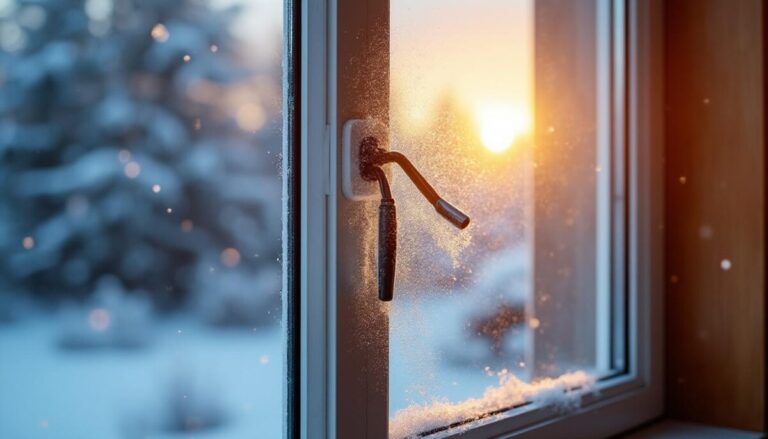
It’s not just the walls. You’ll notice that in spring, even with decent walls, a veranda or garage can feel like a refrigerator at night. This is mainly due to old or inefficient glazing that lets heat through. This is known as the “cold wall effect.” When air hits a cold pane of glass, you feel a suction of heat, even if the ambient temperature is comfortable. Added to this are worn seals, poorly sealed door bottoms, and wall-roof junctions that allow warm air to escape. To prevent this, sometimes all it takes is covering the windows with bubble wrap—a temporary and economical “double glazing”—or installing effective thermal curtains in the evening. Addressing these issues can significantly reduce energy loss without major renovations.
3 concrete steps to stop heat loss
| Stage | Precise action | Expected effect |
|---|---|---|
| one | Apply bubble wrap to glass surfaces exposed to the wind | Creating an insulating layer of air that limits heat loss |
| two | Put up thermal or blackout curtains as soon as night falls | Reduced sensation of cold and maintenance of a more stable temperature |
| three | Seal weak points (bottom of doors, seals, joints) | Elimination of annoying drafts, improved energy efficiency |
This trio will make a real difference to your home: no more icy drafts, condensation running down the windows, or unnecessary heat loss. Once you’ve implemented these measures, you can even see energy savings, because you’re no longer heating unnecessarily.
If it’s a cold but dry wall
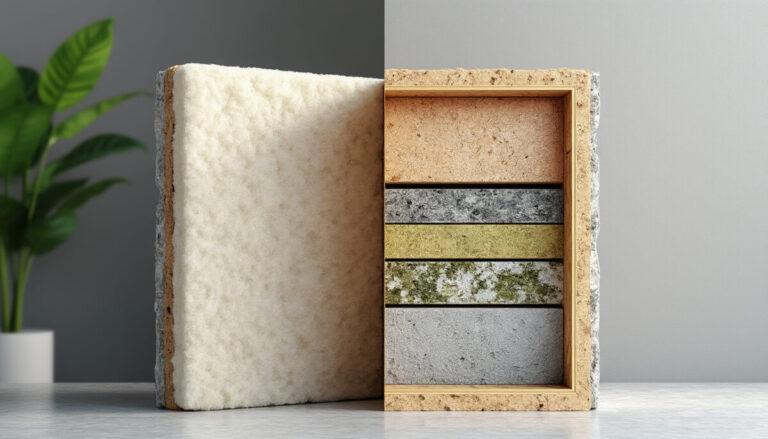
A cold wall can be dry and yet indicate a lack of insulation or a thermal bridge. In this case, the problem isn’t necessarily a water leak, but rather faulty insulation that isn’t retaining heat. This often requires a more thorough diagnosis using tools like a thermal imaging camera, which you can also borrow or rent. Once identified, insulating these areas will prevent skyrocketing heating bills.
If it’s a cold wall with dampness
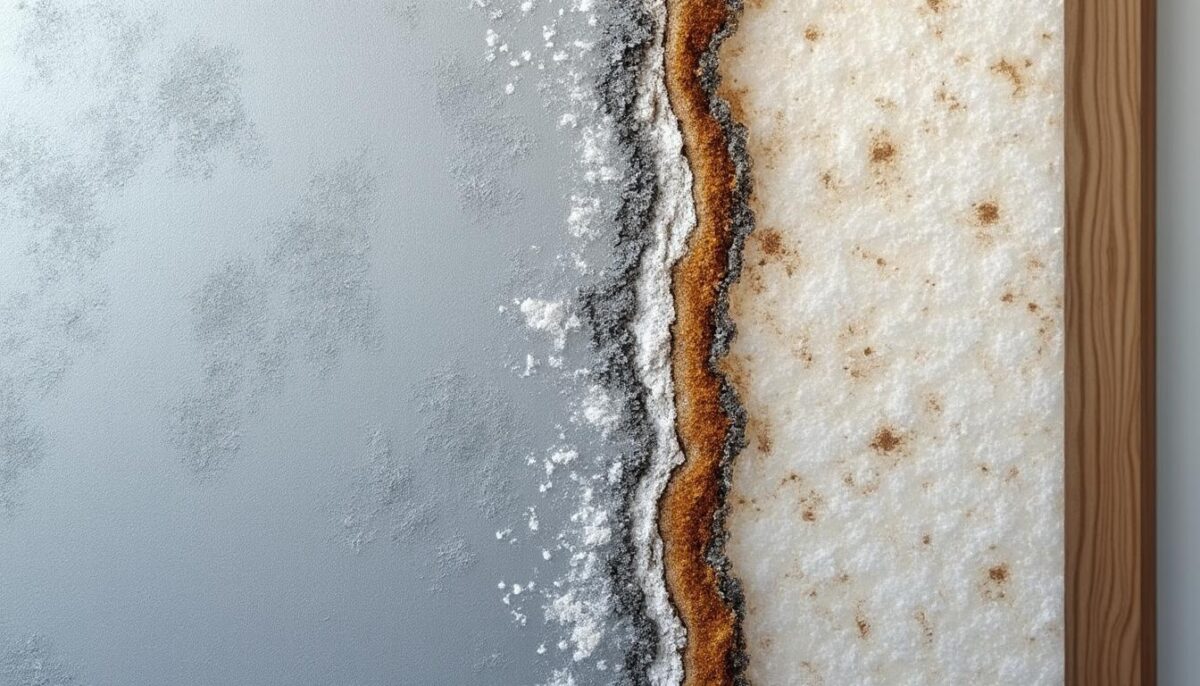
When a cold wall is combined with dampness, it generally indicates significant water infiltration or condensation. Dampness amplifies the feeling of cold and can damage the structure. In such cases, swift action is necessary, including improving airtightness, addressing thermal insulation, and ensuring adequate ventilation to limit mold growth.
Thermal insulation and energy savings: how to avoid hidden losses
Detecting true heat leaks requires a little attention. Technology, such as the now readily available thermal imaging camera, allows anyone to visualize weak points. “It’s better to spot an air leak than to pile on extra sweaters,” reminds a local expert. Regardless of the material used, the most important thing remains the airtightness and continuity of the insulation. A few simple steps are often enough to significantly improve thermal comfort and save money.
Among these small checks, don’t forget to run your hand near windows and doors, check the condition of the seals, and listen for any drafts. Depending on the type of house you have, between 25 and 30% of heat loss occurs through the attic, but cold walls also contribute. To learn more about these topics, you can discover strategies adapted to different profiles and understand why Airtightness is just as crucial as insulation..
The essentials to remember for your acoustic and thermal comfort
- Prioritize treatment of glazed areas, which are often thermally weaker.
- Close curtains and blackout blinds in the evening, especially in spring and autumn.
- Identify thermal bridges using insulation diagnostics with tools or professionals
- Seal doors, windows and joints to eliminate air leaks
- Monitor humidity to prevent condensation and mold.
How can you tell if a cold wall is a real insulation problem?
If the wall feels cold to the touch and you can feel drafts around it, there’s probably an energy leak. A thermal assessment can confirm a thermal bridge or a lack of insulation.
Is putting bubble wrap on a window really effective?
Yes, because bubble wrap creates a layer of trapped air, reducing heat loss through the windows. It’s a temporary, quick, and economical solution.
What are the signs of air infiltration in a house?
Common signs include unpleasant drafts, a feeling of coolness near surfaces, condensation on windows, and high heating bills.
Can you perform an insulation diagnosis yourself?
With an accessible thermal camera or simple tests like the foil and flame, you can detect several air leaks, but a professional will give a more accurate diagnosis.
How to reconcile humidity reduction and thermal improvement?
It is essential to combine good insulation with adequate ventilation to prevent stagnant moisture. Sealing should never completely block air; ventilation must be maintained.
Thank you for your interest; Claude