
Isolation: Is a little isolation worth more than a gadget?
Hello, it’s Claude. Yes: it’s better to insulate a priority area, such as the attic, than to buy a gadget that does not address heat losses. A well-thought-out thermal insulation improves thermal comfort and can reduce heating needs. The right project depends on the dwelling, the climate, and the ventilation. Energy gadgets come afterwards, to adjust usages.
To do immediately
Before spending, identify drafts and cold surfaces, then compare useful actions for your home: check this detail before an eco-action and identify a door that doesn’t seal properly.
- Note the cold rooms and the areas where air passes.
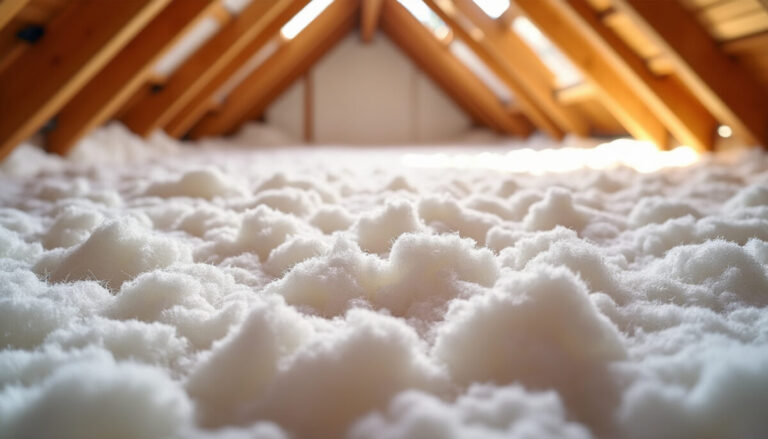
- Check the condition of the attic or roof.
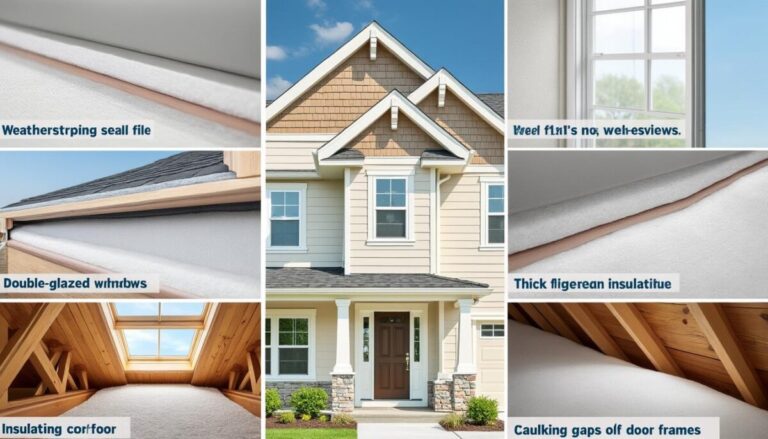
- Check the seals of the windows and doors.
- Avoid blocking necessary air inlets.
- Get several quotes before signing the estimate.
A little insulation: when the gesture is better than a gadget
A connected thermostat can help to better program the heating, but it does not warm a cold wall and does not seal an air leak. To achieve real energy savings, you must first limit heat loss at the building’s weak points.
Priority for work is decided based on the place. In general, the roof is a good starting point: it accounts for about 25 to 30% of a dwelling’s heat losses. Walls, ventilation and leaks each weigh around 20 to 25%, while single-glazed or poorly sealed windows often account for 10 to 15%.
A simple anecdote: in a house, a door draft stopper was enough to eliminate the draft felt in the hallway. Comfort improved, but the attic remained the most important project to durably reduce heating needs.
“The best energy is the one you don’t need to consume.” A small, well-targeted gesture is therefore useful, but it does not replace coherent insulation when the home loses a lot of heat.
Insulation des combles, des murs ou des fenêtres : quoi prioriser ?
If the attic is poorly insulated, start there, especially in cold climates. If exterior walls are very cold or if the house overheats in summer, also study wall insulation and solar protection.
Thermal resistance, denoted R, helps compare the performance of an insulated wall: the higher it is, the more the insulation slows heat transfer. The thermal conductivity, lambda (λ), concerns the material: the lower its value, the more it insulates at equal thickness.
| Area to check | Order of magnitude of losses | First action to consider |
|---|---|---|
| Roof and attic | About 25 to 30 % | Check the thickness and continuity of the insulation |
| Exterior walls | About 20 to 25 % | Compare interior and exterior insulation |
| Windows and doors | About 10 to 15 % for windows | Check the seals and glazing |
| Low floor and thermal bridges | Often 5 to 10 % each | Identify junctions and the cold floor |
These figures are benchmarks, not a diagnosis: they vary according to the building and the work already done. In summer, material choice also matters. Cork, wood fiber and cellulose insulation often slow heat gain better than some lightweight insulations, depending on thickness and installation.
Energy renovation: a simple three-step method
- Step 1 — Identify. Observe cold walls, drafts, traces of humidity, and rooms that heat poorly. A diagnostic or neutral advice can clarify priorities.
- Step 2 — Compare. Request several quotes and check materials, installation, treatment of thermal bridges, and planned ventilation. Do not choose based solely on financial aid.
- Step 3 — Treat the air. After major work, plan for appropriate ventilation. A humidity-regulated single-flow VMC adjusts the flow to humidity; a dual-flow recovers part of the heat from the extracted air, but requires a more complex project.
If it’s a cold house in winter, start with the attic or the most obvious leaks; if it’s a dwelling that overheats in summer, also study solar protections and the thermal lag of the materials.
Poorly ventilated insulation can promote humidity and degrade indoor air quality. Thermal comfort therefore depends on a set: continuous insulation, careful installation, and controlled air renewal.
Gadgets énergétiques : utiles après les travaux
A programmable thermostat, an energy use monitor, or thermostatic radiator valves can then help avoid heating unoccupied rooms. Their usefulness depends on habits and existing equipment; they optimize consumption but do not fix a poorly insulated roof.
To compare solutions, keep in mind the use of each room, the local climate, and your budget. A well-prepared energy renovation can improve the dwelling’s energy performance without automatically buying the most expensive solution.
Frequently asked questions about insulation and energy savings
Is it useful to isolate only a small area?
Yes, if this area is truly a priority, for example very poorly insulated attic spaces or a door that lets air pass. The gain depends on the overall condition of the dwelling and the quality of the installation.
Should a VMC be installed after insulation work?
After substantial insulation, appropriate ventilation is essential to evacuate humidity and renew the air. A hygroréglable single-flow VMC can suit many homes; the choice depends on the project.
Can a connected gadget replace insulation?
No. A connected thermostat helps to better control the heating, but it does not remove air leaks or cold walls. It complements relevant work rather than replacing it.
Which area to insulate first?
The attic is often a good starting point, as heat rises. But you must take into account the climate, the condition of the walls, the windows, the floor and the ventilation.
Thank you for your interest; Claude