
Eco-friendly habits: you want energy independence without changing your habits
Hello, it’s Claude. To become more self-sufficient without upending your day, start by reducing energy waste and replacing a few disposable items with reusable alternatives. These eco-friendly habits fit into your current routine, without a big budget or complicated equipment. Take it at your own pace: consistency matters more than perfection.
Eco-friendly habits to become more self-sufficient without changing your routine
“Consistency is better than perfection.” There’s no need to turn your whole home into an eco-lab: a few simple habits, repeated every day, can reduce your expenses and consumption. A good place to start is with something that easily fits into your daily life.
Things you can do right away
- Turn off the lights when you leave a room.
- Keep a reusable bag near your keys so it’s close at hand.
- Replace paper towels with a dish towel or washable cloth.
- Adjust the heating room by room and put on a sweater before turning up the temperature.
- Clear out your inbox and delete unnecessary attachments.
To make progress without pressure, take a look at this guide to easy eco-friendly habits and find out how to get started with energy self-sufficiency at your own pace.
Sustainable habits that preserve your everyday comfort
Self-sufficiency doesn’t mean living without comfort or generating all your own energy. It often starts with better energy efficiency: reducing waste, making better use of what you already have, and choosing solutions that suit your home.
For example, turning the heating down slightly can be enough to save energy, especially if you’re heating an unoccupied room. Depending on your home and the season, lowering the temperature by a few degrees or using a simple schedule can reduce your energy needs without making your home uncomfortable.
Smart home technology can also help, but it isn’t essential. A programmable thermostat can prevent heating from running when no one is home; start with the settings you can adjust before buying any equipment.
Two situations, two suitable habits
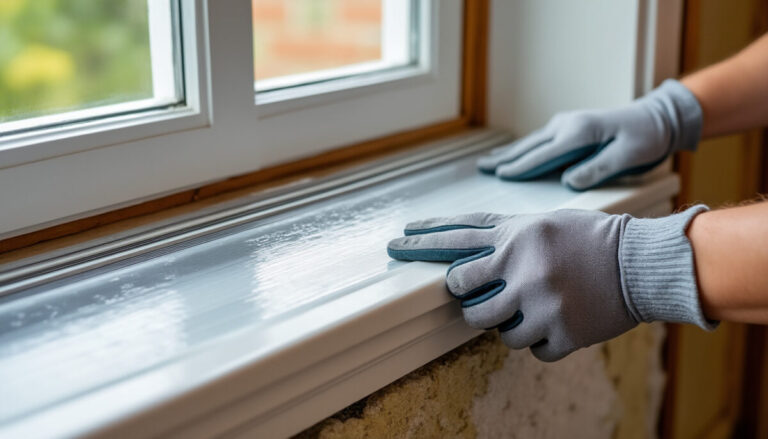
If you live in an apartment, adjust the heating room by room and use thick curtains in the evening. If you live in a house, first look for drafts around doors and windows before considering any renovations.
| Current habit | Easy habit to try | Intended effect |
|---|---|---|
| You often use disposable products | Keep dish towels and cloths within easy reach | Fewer purchases and less waste |
| You forget to turn off the lights | Make turning them off part of leaving the room | Better-controlled energy use |
| You throw away forgotten food | Move items that need using soon to the front | Less food waste |
| You often buy packaged products | Try buying in bulk with the bags you already have | Making responsible consumption easier |
Three steps to make eco-friendly habits effortless
- Step 1: Choose just one habit to adjust, such as always turning off the light when you leave a room.
- Step 2: Make the habit obvious: put bags near the door or cloths by the sink.
- Step 3: Try it for a week, then stick with what works before adding a new action.
A simple anecdote: in a shared apartment, putting a basket by the entrance was enough to stop people forgetting their reusable bags. The right spot did more than repeated reminders.
When it comes to food, there’s no need to rethink your entire menu. Adding one meat-free meal, choosing seasonal produce, or cooking with leftovers are sustainable habits that also support your budget and responsible consumption.
An eco-friendly transition at your own pace
Trying to change everything at once, comparing yourself to others, or giving up after a slip-up often makes it hard to stick with your efforts. An imperfect habit that you repeat is easier to maintain than a big resolution that’s impossible to keep.
Choose what works for you: a reusable cup at work, a “no junk mail” sticker on your mailbox, or a few meals made with seasonal ingredients. Self-sufficiency is built through practical choices, not the pursuit of perfection.
Useful questions about eco-friendly habits and self-sufficiency
Which eco-friendly habit should I start with?
Choose an action that’s easy to repeat, such as turning off the lights when you leave or taking a reusable bag with you.
Do I need to buy equipment to become more energy self-sufficient?
No. Start by adjusting the heating more effectively, reducing energy waste, and making better use of the appliances you already have.
How can I stick to my new habits?
Link each habit to an existing routine and make it visible, for example by putting bags near the door.
Is it useful to adopt one habit at a time?
Yes. Trying an action for a few days lets you check that it fits into your daily routine before adding another.
Thanks for your interest; Claude