7 Energy Mistakes Before Building a Self-Sufficient Home
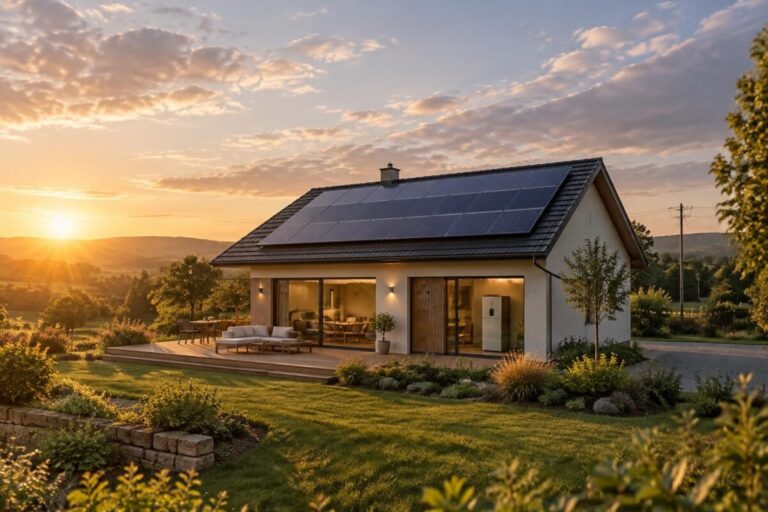
Hi, this is Claude. To avoid the 7 most costly energy mistakes, start by reducing your home’s energy needs, then size your generation, storage and heating systems based on real data. A self-sufficient home is not just about installing solar panels: it also needs to stay comfortable when the sun is scarce and energy needs increase. Before choosing equipment, take a look at the home’s thermal insulation, electricity consumption and daily habits. This is the foundation of a solid project that is easier to manage and better suited to your budget.
Do this right away
- Gather your bills and record your electricity consumption for a full year.
- Identify heat loss and the priority thermal insulation work.
- Make a note of energy-hungry appliances and when they are used.
- Check sunlight exposure, roof orientation and shaded areas.
- Plan for a backup solution and a budget for maintaining the systems.
To compare the main stages of a project, see this guide to energy self-sufficient homes and this article on solar panels for a self-sufficient home.
The 7 energy mistakes to avoid before building a self-sufficient home
A self-sufficient home generates its own energy, but it also needs to meet its heating needs and manage its water supply. Complete self-sufficiency is demanding: depending on the location, weather and lifestyle, partial self-sufficiency may be more realistic and easier to finance.
1. Generating energy before reducing demand
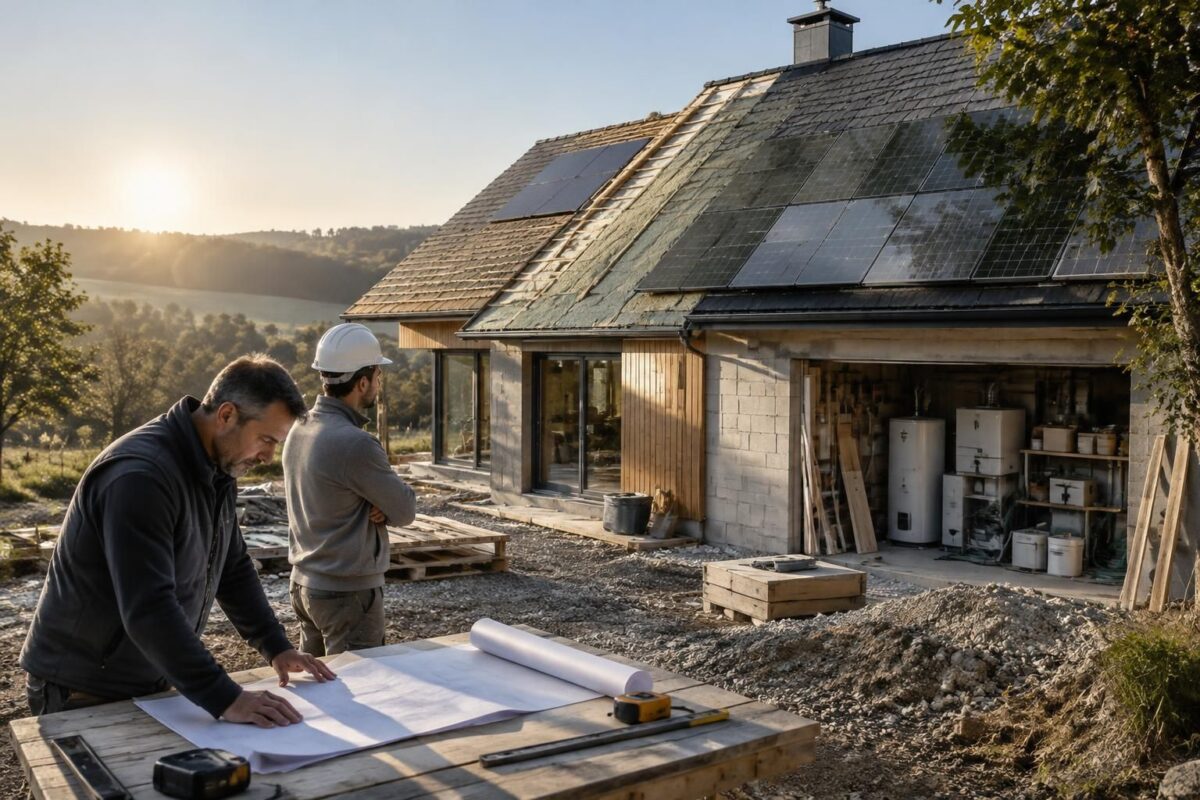
Installing a large photovoltaic system without addressing heat loss often means compensating for a problem rather than solving it. A better-insulated home needs less heating and makes it possible to limit the size of the equipment required.
Start with the attic, walls, floors and windows. The exact priorities depend on the building, but a thermal assessment can help you avoid doing costly work in the wrong order.
2. Choosing solar panels without assessing the site
Generation varies depending on the region, orientation, tilt and shade. A roof that seems well positioned may lose some of its potential if a tree or chimney blocks the sun during productive hours.
Ask for an estimate based on the address and roof, then have the results checked by a qualified professional. Solar panels should meet the home’s needs, not match some average figure picked at random.
3. Underestimating electricity consumption
Bills provide an initial reference point, but they do not always tell the whole story. An electric vehicle, heat pump or workshop added in the future could significantly change electricity consumption.
List your current and future uses, then identify energy-hungry appliances. An old refrigerator, a tumble dryer or electric heating can account for more energy use than the small appliances you use every day.
4. Getting the energy system sizing wrong
A system that is too small may not provide enough energy during cold or overcast periods. A system that is too large can increase the project cost without any guarantee that the surplus will be useful.
Energy system sizing must take seasonal variations, heating needs and peak power demand into account. For a home that is truly off-grid, also plan an appropriate safety margin for the site.
| What to check | Common mistake | Useful tip |
|---|---|---|
| Insulation | Leaving it until after installing the equipment | Reduce heat loss before sizing the system |
| Solar generation | Relying on a general estimate | Assess the roof, shade and seasonal variations |
| Battery storage | Choosing capacity at random | Match it to your usage and the days without generation |
| Heating | Forgetting its energy requirements | Compare insulation, wood heating, solar thermal and heat pumps |
| Budget | Only accounting for the purchase price | Include maintenance, replacement and backup costs |
5. Forgetting about storage and periods without sunshine
Panels generate most of their power when sunlight is available, while the home also uses energy in the evening and at night. Battery storage can help, but its capacity needs to match your usage and periods of low generation.
Compare the cost of batteries, their lifespan and replacement costs for each model. It may be wiser to shift some activities to daytime or store some of the surplus as heat in a hot water tank.
6. Choosing a heating system without considering insulation
A heat pump, stove or boiler cannot effectively make up for a poorly insulated building envelope. The choice depends on the local climate, the layout of the home and the resources available.
A brief anecdote illustrates this well: during a home visit, a homeowner was already talking about adding panels, even though the attic was barely insulated. Yet the first improvement to consider was right there, just above his head.
As a simple rule of thumb reminds us: “The cheapest energy is the energy you don’t use.”
7. Neglecting maintenance, the budget and local regulations
A self-sufficient home relies on equipment that needs monitoring and maintenance. An inverter, batteries, heating system, filtration system or pump may require servicing or replacement.
The total cost varies widely depending on the level of self-sufficiency, the home and the technical choices. Get estimates for the investment, maintenance and replacements, then check local regulations before considering a wind turbine, a well or a rainwater collection system.
A simple way to prepare your project
Energy management becomes clearer when you work through the steps in order. Each step reduces the risk of paying for a system that isn’t right for you.
- Measure: For several weeks, record consumption, when appliances are used and heating needs.
- Reduce: Address heat loss and prioritize replacing the most energy-hungry appliances.
- Size: Compare several generation, storage and backup scenarios with a professional.
If your home is connected to the grid, first aim for partial self-sufficiency and better self-consumption. If the site is off-grid, plan for backup, maintenance and periods of low generation from the outset.
Good habits for realistic self-sufficiency
A self-sufficient home requires coordination between electricity generation, heating, water and lifestyle. Rainwater may be suitable for some uses, but applicable regulations and treatment requirements need to be checked before installing anything.
Avoid pursuing complete independence at all costs. An energy-efficient, well-insulated home with appropriately sized generation can already reduce its dependence on utility networks without requiring an oversized system.
Frequently asked questions about energy mistakes
What is the first mistake to avoid before building a self-sufficient home?
Installing equipment before reducing energy needs. Start by measuring consumption and improving thermal insulation, then size the generation system.
How many solar panels are needed to be self-sufficient?
There is no universal number. The requirement depends on consumption, location, roof, seasons and storage. A customized assessment is needed.
Are batteries essential?
They are often needed to use solar electricity outside generation periods, but their capacity must be calculated based on usage and the target level of self-sufficiency.
Can you become self-sufficient without renovating the whole house?
Sometimes, but a poorly insulated building envelope increases energy needs and equipment costs. Prioritizing work based on observed heat loss generally makes for a more coherent project.
Thanks for your interest; Claude