Energy: a supplementary heater, a backup, or a bottomless pit?
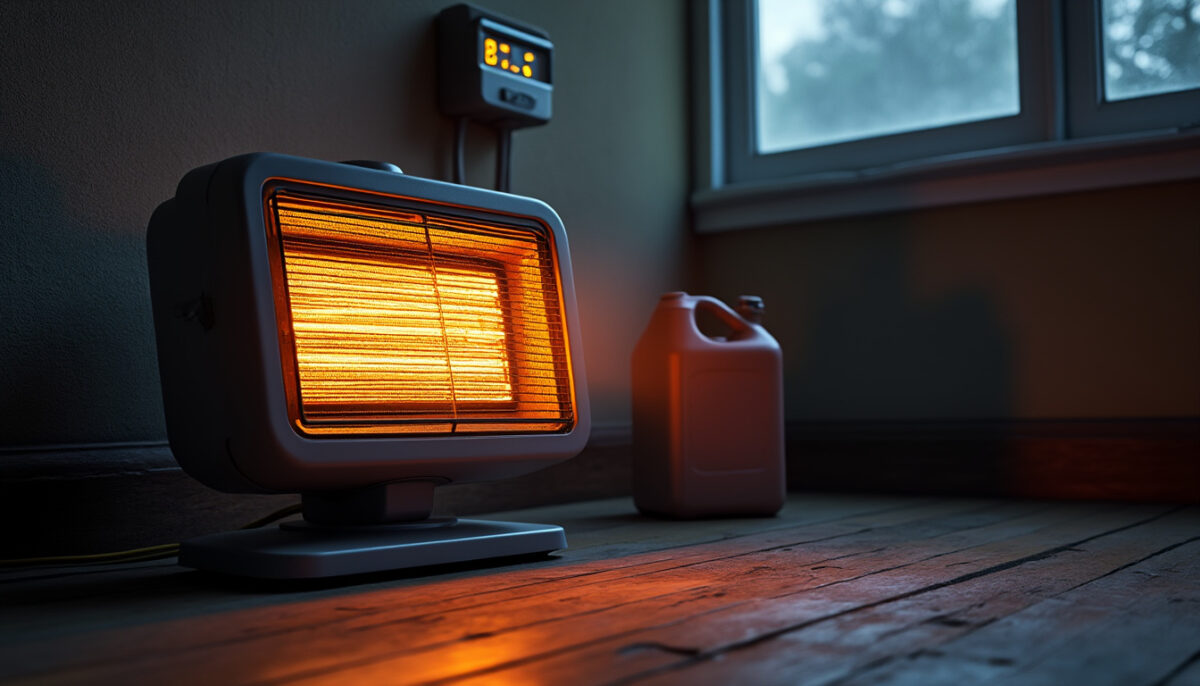
Hello, this is Claude. A portable heater is often an effective backup, but it can quickly become an energy drain if used incorrectly. It serves to supplement your main heating system by occasionally heating cold rooms, providing backup during a power outage, or offering temporary supplemental heating without leading to excessive energy consumption. Discover the different types of portable heaters And how to choose a suitable auxiliary heater will help you make a smart choice right now.
To do immediately
- Evaluate the power required by allowing approximately 100W per m².
- Check that the radiator has a programmable electronic thermostat to prevent overheating.
- Install a carbon monoxide detector when using fuel-burning appliances.
- Opt for inertia radiators for lasting comfort and controlled consumption.
- Never plug the portable heater into a power strip for safety reasons.
Using a portable heater is often a reflex when faced with a sudden cold snap or a poorly insulated room. But beware: kerosene, gas, or bioethanol heaters are very dangerous due to the risk of lethal carbon monoxide emissions and fire. At the same time, some cheap electric heaters, like “toaster” style convectors or fan heaters, consume a lot of electricity without providing effective heating. The real challenge, therefore, is finding the appliance that provides supplemental heating without incurring excessive energy costs.
Discover the dangers of portable heaters And How to choose the right auxiliary heater to avoid common pitfalls.
Auxiliary heating: a temporary solution for an occasional need
A portable heater is never a long-term solution. It supplements central heating but should not become the primary system. It is ideal for:
- Raise the temperature of a cold room quickly
- Troubleshooting during a power outage or main heating failure
- Heating a workshop, garage or holiday accommodation used only occasionally
- Use for emergency heating on a cold summer night
If it’s a large, poorly insulated room, you’ll need a powerful heater, or better yet, invest in insulation rather than adding more space heaters. If it’s a bathroom or a room used temporarily, a radiant panel heater or a fluid-filled radiator will be perfect for immediate comfort.
The most energy-intensive appliances and their risks
Conventional electric convectors and fan heaters are notorious energy guzzlers. They operate in short, repeated cycles, consuming a lot of energy without retaining heat. Furthermore, fuel-burning heaters emit carbon monoxide, which is dangerous and can be fatal if ventilation is poor. Their hot surface also poses a risk of burns or fire.
An emergency repairman once recounted how, at a client’s home, the unsafe use of a kerosene heater saturated the room with CO in just 15 minutes. This demonstrates that the danger is real and that safety must always be the top priority.
Safe and economical alternatives
Inertia radiators with cast iron or ceramic cores are the most suitable solution for sustainable and economical heating. They store heat and release it slowly, preventing excessive energy consumption. Radiant panel heaters are also a good option for quickly heating an occupied space. These appliances often have a programmable thermostat and important safety features such as thermal cut-outs and splash protection.
| Type of heaters | Benefits | Disadvantages | Energy consumption | Recommended use |
|---|---|---|---|---|
| Inertia radiator | Lasting comfort, economical, cooler surface | Higher initial cost | Moderate to low depending on the model | Primary supplementary heating, rooms regularly occupied |
| Heats up quickly, moderate energy consumption | Localized heating, not for long periods | Moderate | Occasional use in an occupied room | |
| Electric convector heater and fan heater | Low price, fast heating | Very energy-intensive, provides only fleeting heat | Very high | Very short use, emergency relief |
| Kerosene, gas, and bioethanol stoves | Autonomy without electricity | CO and fire risks, ventilation required | Variable | For exceptional use in well-ventilated rooms |
How to use a portable heater safely and efficiently?
Three simple steps ensure that your space heater fulfills its purpose without malfunctioning:
- Step 1: Choose a device with a programmable thermostat and safety features (thermal cut-off, IP24 protection in the bathroom).
- Step 2: Adjust the power to the surface area: allow approximately 100W per m².
- Step 3: Never overload the electrical installation: plug the radiator directly into a wall socket.
Ease of use and safety are key to avoiding unnecessary energy consumption and the risk of accidents. As energy expert Amory Lovins said, “The best heating is good insulation.” This also applies to portable heaters.
Heating emergency: a well-thought-out solution rather than a costly reflex
If you’re facing a power outage or a sudden cold snap, a portable heater can be a lifesaver. It’s best to choose an energy-efficient model and use it only for a limited time. It’s no substitute for good insulation and a high-performance heating system. To permanently reduce your energy consumption, focus on insulation work and RGE-certified equipment to guarantee efficiency and access to financial assistance.
Can a portable heater be used as the main heating source?
No, it’s a backup or supplementary solution. For sustainable and economical heating, an efficient central system with good insulation is essential.
What are the risks of a poorly ventilated kerosene heater?
High risk of carbon monoxide poisoning, which can be fatal. Always ensure proper ventilation and install a CO detector.
How to reduce energy consumption related to auxiliary heating?
Choose an inertia radiator with a programmable thermostat, adapt the power to the surface area, limit the duration of use and improve the insulation of the home.
Are fan heaters effective?
They heat up quickly, but only locally and temporarily, with high consumption, which often makes them energy-intensive.
Thank you for your interest; Claude