Materials: poorly chosen, they negate your insulation
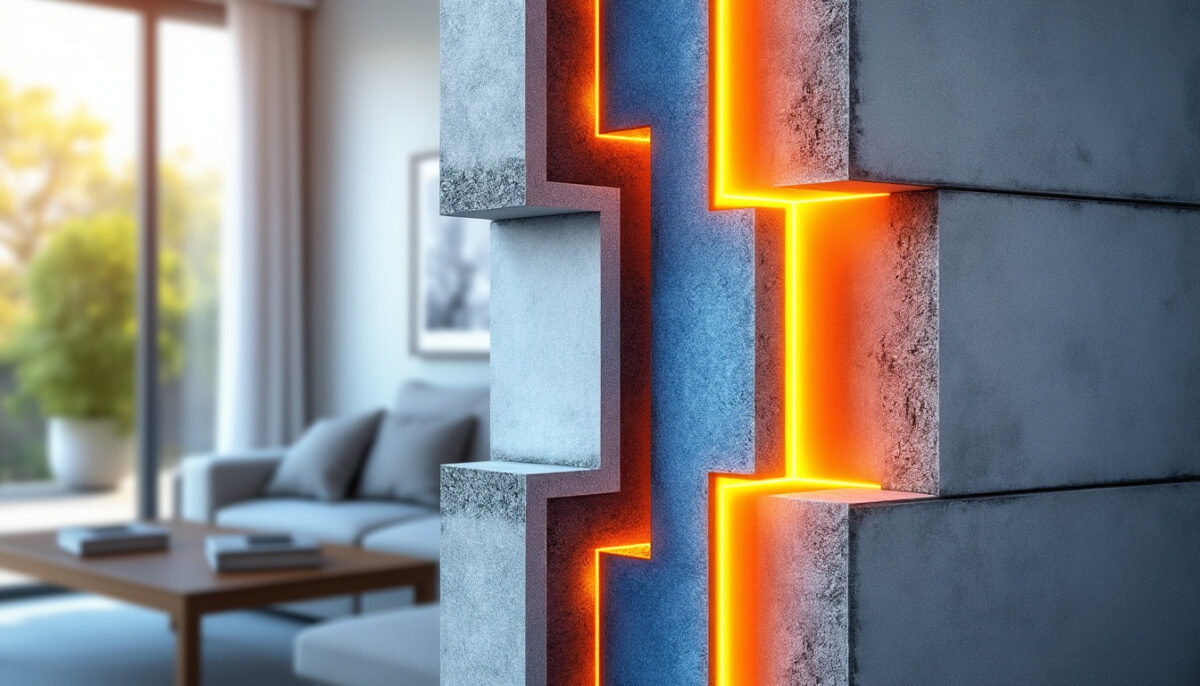
Hi, this is Claude. Choosing unsuitable materials for your insulation is risking a loss of insulation and one reduced energy performance, leading to a ineffective insulation and skyrocketing energy bills. Often, a poor choice of materials thermal bridges and to thermal leaks Invisible but costly. These are precisely the errors that must be identified and corrected quickly to guarantee a lasting result.
To do immediately
- Analyze precisely the nature of your walls and the climatic zone of your home.
- Check that the chosen insulation complies with current standards, in particular RE2020.
- Systematically treat the thermal bridges to avoid massive losses.
- Install a suitable vapor barrier to prevent moisture problems and insulation degradation.
- Hire a RGE-certified professional for a guaranteed compliant installation.
If it’s an old stone building, opt for a breathable insulation material like wood wool or hemp to prevent moisture buildup. If it’s a newer building with concrete block walls, a high-performance synthetic insulation works well, but pay close attention to its airtightness and protection against the elements.
To learn more, consult this A complete guide to insulating materials as well as practical advice on interior thermal insulation, two valuable resources for making an informed choice.
non-insulating materials Or are often the cause of insulation problems major. For example, using insulation with low thermal resistance in a cold or humid region will create areas where heat escapes quickly. These errors lead to thermal leaks
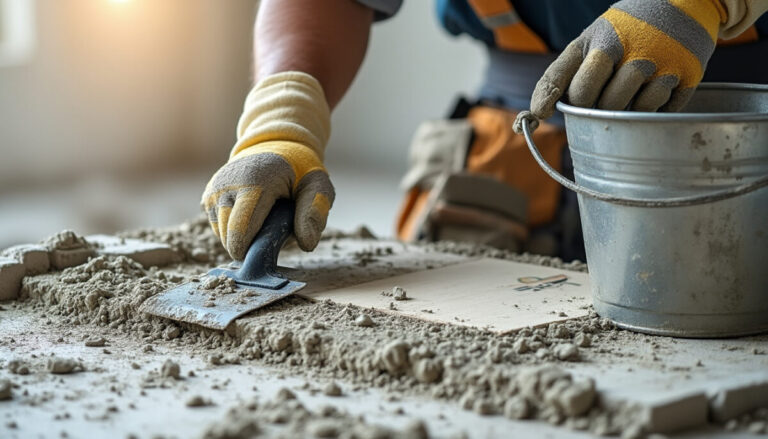
The installation itself is also crucial. A poor installation without thermal bridge treatment or the absence of a vapor barrier causes condensation within the insulation, reducing its performance and promoting mold growth. I saw a recent construction site where neglecting to seal around windows completely negated the expected energy savings.
A concrete example of insulation sabotaged by a poor material
A family in a temperate zone chose an unsuitable synthetic insulation, without treating the joints. The result: cold walls in winter and excessively hot air in summer. Their energy bills increased, despite a significant investment. This kind of mistake highlights this simple truth: “The right material in the right place is the key to longevity.”
A 3-step procedure to guarantee effective insulation
- Accurate thermal diagnosis with the help of a professional to identify all sources of heat loss.
- Suitable choice: Select materials based on climate, building type, and environmental and budgetary constraints.
- Rigorous installation: Absolute compliance with DTU standards, implementation of a vapor barrier, and treatment at the junction of elements to eliminate thermal leaks.
Simplified comparison of popular insulation materials in 2026
| Material | Lambda (W/m.K) | Average price including installation (€/m²) | Estimated lifespan (years) | Environmental impact |
|---|---|---|---|---|
| Rock wool | 0.034 – 0.040 | 30 – 115 | 20-25 | AVERAGE |
| Cellulose wadding | 0.038 – 0.045 | 30-45 | Weak | |
| Hemp | 0.038 – 0.042 | 50-70 | 25-30 | Weak |
| Expanded polystyrene | 0.030 – 0.036 | 50 – 100 | 15-20 | Pupil |
For a complete overview of performance, durability, and price, take a look at the comparison chart on the performance and durability of insulating materials.
The essentials for avoiding risks associated with unsuitable materials
- Never choose insulation based solely on price. This reflex often leads to a ineffective insulation.
- Strictly adhere to DTU standards and prioritize RGE-certified materials.
- Be vigilant about the effects of humidity : poorly protected insulation quickly loses its properties.
- Thermal bridges must be addressed. to prevent any thermal leakage.
- Hire a qualified professional, especially for exterior insulation and bio-based materials.
Frequently asked questions about the wrong choice of materials and their impacts
What are the signs of ineffective insulation due to poor materials?
Localized sensations of cold, temperature variations, and energy bills that do not decrease are typical indicators of poorly executed insulation.
Can insulation that has already been installed with unsuitable materials be corrected?
Yes, but often the correction involves partial or total removal and a new installation with better-suited materials and better implementation.
What materials should be preferred for an old house that is vulnerable to humidity?
Bio-based insulation materials such as hemp or wood wool, which allow walls to breathe, are preferable to limit the risks associated with humidity.
In humid areas, yes. The vapor barrier prevents condensation inside the insulation, which preserves its performance and prevents mold.
How to easily avoid thermal bridges?
Continuous insulation with professional joint treatment and caulking around openings greatly reduces thermal bridges.
Thank you for your interest; Claude