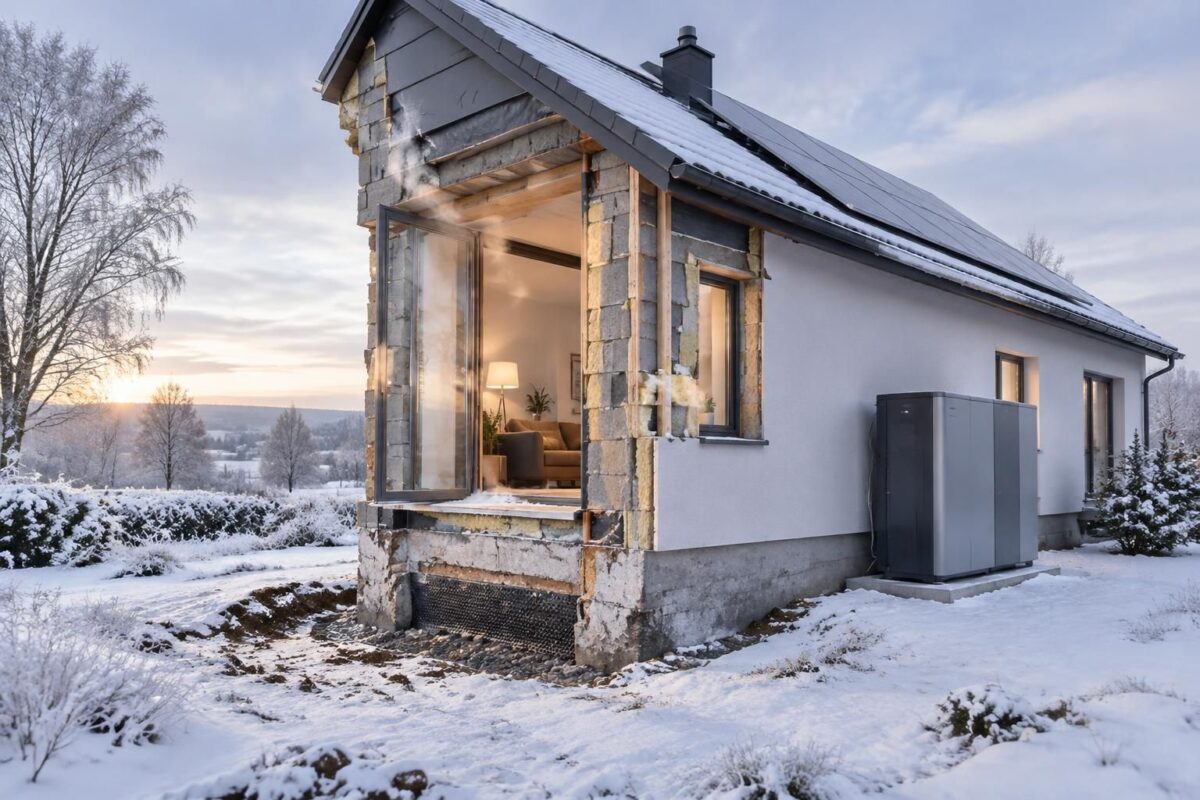
Isolation: without a solid foundation, independence costs too much
Hello, this is Claude. To keep the cost of living independently at home down, start by addressing the biggest sources of heat loss before buying equipment. A poorly insulated home uses more energy and can quickly become uncomfortable, especially when you spend more time there. A good foundation means a home that meets your needs, well-targeted improvements, and a support network for those who need one.
“Things to do right away”
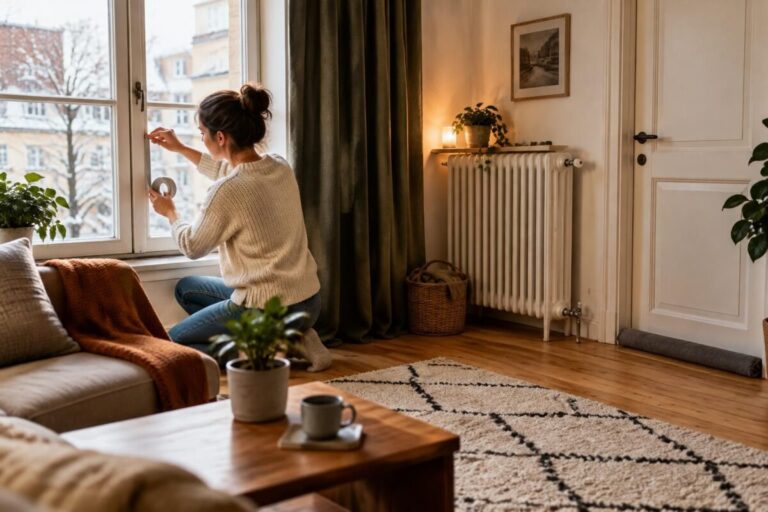
Look for drafts, check the condition of the windows, and note which rooms are coldest. These first observations help you choose an effective step without spending money at random. For things you can do today, also explore ideas for thermal curtains for the home and tips for spotting thermal bridges.
- Close the shutters at night and install weatherstripping if air is coming in around the windows.
- Look for cold walls, signs of damp, and areas where condensation keeps returning.
- Compare room temperatures at different times of day.
- Ask a professional for advice before insulating a damp wall.
- Find out about local grants and available support resources.
Insulation and independent living: housing affects the budget
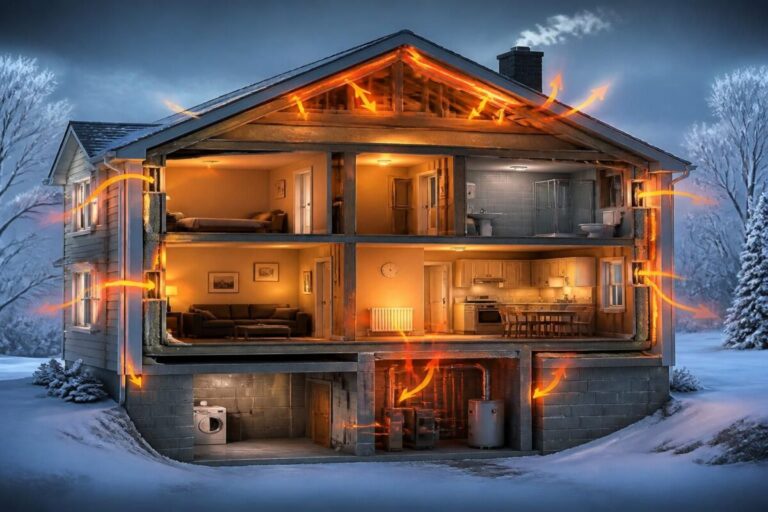
Insufficient insulation increases heating needs and can make some rooms difficult to live in. For an older person or someone with reduced mobility, cold, damp, and high bills can increase vulnerability and financial hardship.
Improving comfort does not necessarily mean renovating everything. In general, it is better to address air leaks and accessible attics first, then assess the walls and windows based on the home’s condition and the budget.
Two situations to help choose the right priority
If you own your home and the attic is poorly insulated, get an assessment before planning any work. If you rent, report leaks and defects to the landlord, then focus on reversible solutions in the meantime.
A neighbor had started by replacing her old radiator, but her bedroom was still cold because of a draft under the window. After installing suitable weatherstripping, she had a more comfortable room without replacing all her equipment.
Three steps to improve thermal comfort
- Step 1: Walk through your home. Note drafts, cold walls, damp, and rooms that are seldom used. A simple list helps distinguish occasional discomfort from a more serious problem.
- Step 2: Choose a priority. Start with work that reduces heat loss without creating a risk of damp. The right choice depends on the building, its condition, and your budget.
- Step 3: Check for grants and support. A renovation adviser can help you compare quotes and identify available assistance. The departmental public services for independent living, provided for by the 2024 law, also aim to make it easier for older people, people with disabilities, and family caregivers to find the right support.
“A comfortable home supports independence in everyday life.” This matters for family and friends, too: less cold and less unnecessary spending often means more room in the budget for support and essential needs.
Insulation, health, and staying at home
A more comfortable home can make it easier to continue living at home, but it does not replace social connection. Isolation can make daily life more challenging; a network of neighbors, family and friends, or local services can help identify the need for support sooner.
The law published in April 2024 provides, among other things, for preventive appointments at certain ages and initiatives to better inform the people concerned. In practice, you can ask your town hall or social services what programs and resources are available near you.
| What to check | Useful action | Why it matters |
|---|---|---|
| Drafts | Check the weatherstripping and the bottoms of doors | Reduce heat loss with a simple fix |
| Damp | Identify the cause before insulating | Avoid making mold or damage worse |
| Heating costs | Compare energy use and which rooms are used | Identify work that addresses the actual need |
| Need for support | Contact local services or an adviser | Get directed to suitable assistance and solutions |
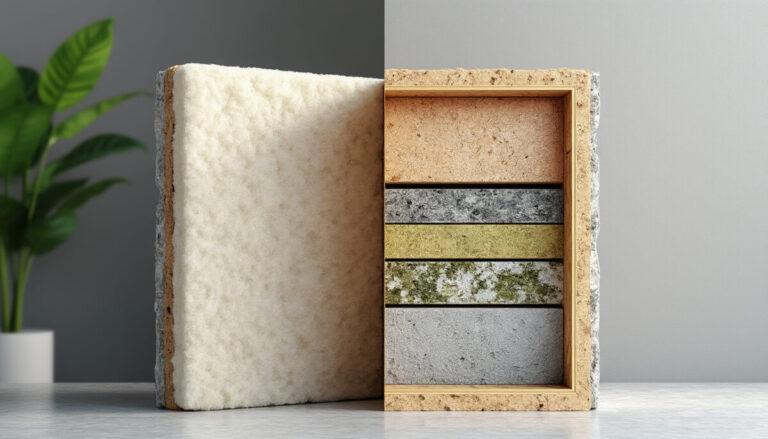
Before signing a quote, check the ventilation, the proposed materials, and how the work will be carried out. Effective insulation needs to be considered as part of the home as a whole: roof, walls, windows, and air circulation.
Which improvements should I start with to better insulate a home?
Start by identifying air leaks, poorly insulated attics, and damp problems. An assessment helps you choose improvements that suit the home and your budget.
Can you improve insulation if you rent?
Yes, with reversible solutions such as thermal curtains or suitable weatherstripping, depending on the situation. For permanent work, report the problems to your landlord and ask for their approval.
Is insulation enough to support independent living at home?
No. It improves comfort and can reduce heating needs, but independence also depends on accessibility, support, and help from family, friends, and services.
Thank you for your interest; Claude