
Insulation: Old house, why the interior is too reassuring
Hello, this is Claude. Insulating an old house from the inside may seem reassuring, but it’s often a misguided idea that can compromise interior comfort and energy efficiency. It’s better to opt for a holistic approach that respects the natural breathability of the walls and avoids trapping water vapor.
- Diagnose the building’s moisture level before any intervention.
- Have an energy audit carried out by a RGE-certified professional.
- Opt for bio-based and breathable insulating materials.
- Plan for adequate ventilation to prevent condensation.
- Assess the risks of space loss with interior insulation.
To further explore this idea, I recommend you consult this comprehensive guide on Insulation methods for old houses and this article on interior wall insulation in old buildingsThese resources will help you choose a suitable and sustainable solution.
Why interior insulation is reassuring but can pose problems in an old house
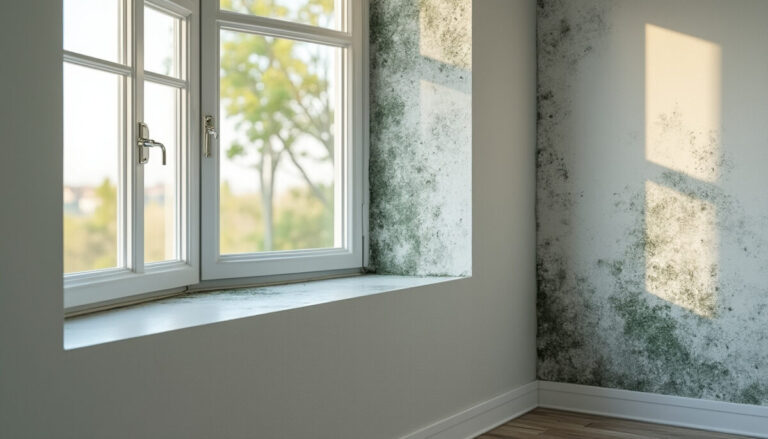
Insulating from the inside reduces living space, often a rare luxury in older buildings. This method seems simple: directly heating the interior walls, but the house risks losing its essential thermal inertia. This creates a cold, damp wall between the insulation and the stone, a breeding ground for mold and deterioration.
A craftsman told me he’d seen walls crack because the old mortar couldn’t breathe anymore, blocked by overly airtight synthetic insulation. This kind of mistake is expensive to repair and detracts from the charm of your home. An expert often recommends: “For a healthy home, it’s essential to allow water vapor to circulate between the interior and exterior walls.”
Heating & humidity: when the interior scares the wall
In an old house, the stone walls are porous, naturally releasing moisture. By installing non-breathable interior insulation, the water vapor becomes trapped. As a result, humidity increases, efflorescence appears, and energy efficiency drops due to invisible thermal bridges. The house feels cold even with the heating on full blast. It’s better to opt for insulation that allows the walls to “breathe.”
If the exterior facade is protected: interior insulation, yes, but with caution
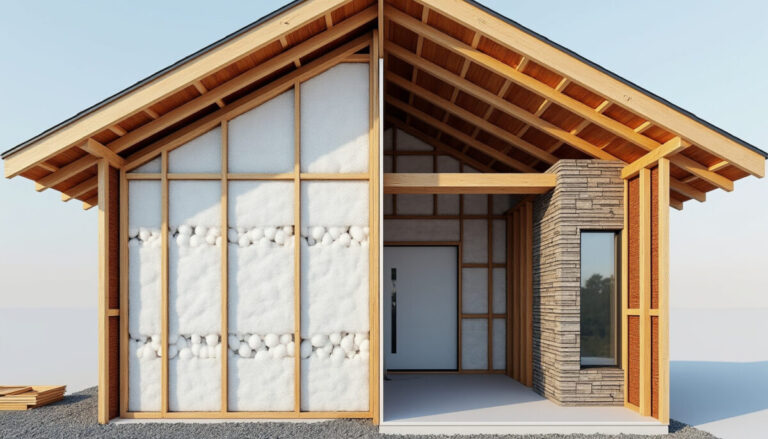
If heritage constraints prevent exterior insulation (EWI), interior thermal insulation (IWI) can be a solution, but only if a natural and breathable insulation material such as wood wool or cellulose wadding is chosen.
If the house can be wrapped: opt for exterior insulation.
Insulating from the outside preserves space and wall stability, eliminates thermal bridges, and improves thermal inertia. In addition, the facade benefits from a renovation or a new finish, which can increase the value of your property.
Natural materials for effective and environmentally friendly insulation of interior walls
Bio-based insulation materials such as wood wool, hemp, or cellulose wadding are known for their ability to regulate humidity and provide good thermal inertia. They prevent the interior of the house from becoming a moisture trap while improving indoor comfort.
| Type of insulation | Benefits | Disadvantages | Recommended use |
|---|---|---|---|
| Wood wool | Excellent humidity regulation, environmentally friendly, good thermal phase shift | Higher cost, technical installation | Walls, roofs, floors |
| Cellulose wadding | Good value for money, made from recycled materials, breathable insulation | Less suitable for very damp walls | Walls, attics, difficult spaces |
| Hemp | Highly breathable, regulates moisture, mold resistant | Variable cost, handcrafted installation | Old walls, insulating plaster |
| Polystyrene (not recommended) | Rapid thermal insulation | Impermeable to vapor, it damages old buildings | To be avoided in renovations of older buildings. |
To go further
If you want to discover how to avoid common mistakes with interior insulation, read this article on pitfalls to avoid will give you valuable advice.
A 3-step procedure to successfully insulate your old house
- Step 1: Conduct an RGE energy audit to identify losses and weak points in the building.
- Step 2: Address moisture problems (rising damp, ventilation) before applying insulation.
- Step 3: Choose a bio-based and breathable insulation, adapted to the structure, and plan for a mechanical ventilation system to guarantee good air renewal.
Some practical tips to avoid wasting space when insulating from the inside
Insulating interior walls can be daunting because of the loss of space. However, it is possible to limit this loss by opting for thinner solutions such as natural plasters (lime-hemp).
- Opt for a thin lining made of natural insulation.
- Optimize storage to compensate for the setback of the walls.
- Use insulating shutters that enhance thermal comfort.
- Provide thermal break strips at wall-opening junctions.
- Equip the house with a suitable controlled mechanical ventilation system.
Why choose an experienced professional?
Renovating an old house requires genuine expertise. The specialist must conduct a thorough analysis, select the right materials, and adapt the methods to create a healthy and sustainable living environment.
By using an RGE certified craftsman, you not only benefit from quality work but also from attractive financial aid such as MaPrimeRénov’ or reduced VAT, which eases your energy renovation budget.
Is it possible to insulate an old house without risking damage to it?
Yes, provided the natural breathability of the walls is respected. The use of bio-based insulation and a prior audit are essential to prevent trapped moisture.
What material should I choose for the interior insulation of an old house?
Natural materials such as wood wool, hemp or cellulose wadding are recommended for their ability to manage moisture and their thermal performance.
Does interior insulation reduce the usable floor space significantly?
It depends on the chosen thickness. Thin solutions like lime-hemp plasters limit space loss while improving thermal comfort.
Why is it crucial to treat moisture before insulating?
Treating moisture prevents water from being trapped behind the insulation, which can cause efflorescence, wall deterioration, and loss of insulation effectiveness.
What financial aid is available in 2026 for insulating old houses?
MaPrimeRénov’, energy bonuses, reduced VAT at 5.5% and the zero-interest eco-loan are accessible under certain conditions, in particular by using a RGE certified professional.
Thank you for your interest; Claude