
Insulation: cork or hemp, which avoids regrets?
Hello, this is Claude. To avoid regrets, cork is often the perfect choice if you are looking for durability and resistance to moisture, while hemp is appealing due to its excellent environmental record and solid thermal performance at a more accessible price.
To do immediately
- Check for ACERMI certification or CSTB Technical Approval to guarantee quality insulation.
- Opt for a craftsman trained in bio-based insulation, essential for proper implementation.
- Make sure you have appropriate treatment for moisture risks, especially if you opt for hemp.
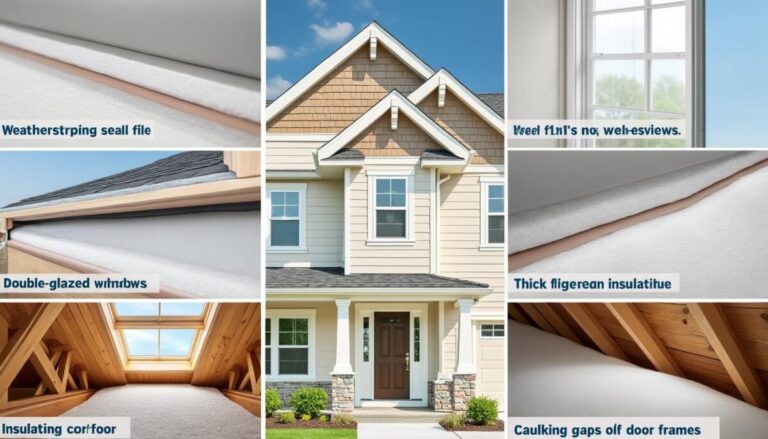
- Addresses thermal bridges to prevent avoidable energy losses.
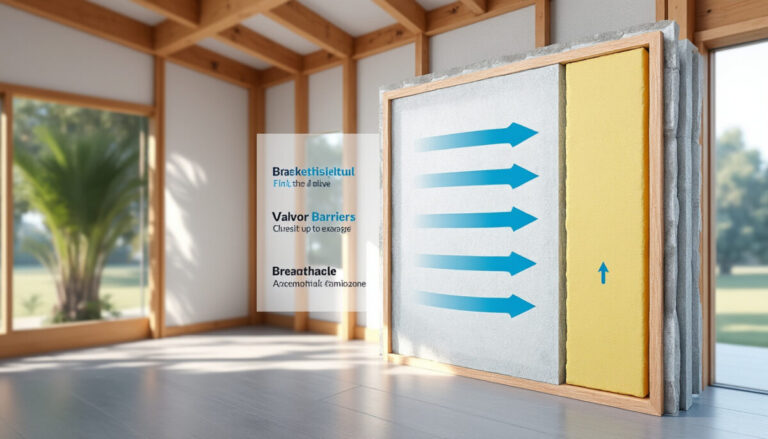
- Provide effective ventilation to fully benefit from the hygroscopic properties of natural materials.
The choice between cork and hemp will largely depend on your priorities: better durability and moisture resistance with cork, or simplicity, lower cost, and an excellent carbon footprint with hemp. To explore this further, discover our detailed comparison of bio-based materials and explores the nuances ofnatural insulation made from hemp and other fibers.
Why choose between cork and hemp for your eco-friendly insulation?
Cork and hemp are both natural materials appreciated for their thermal performance and their low environmental impact. In 2026, with the stricter requirements of the RE2020 regulation, they are emerging as two serious alternatives to traditional insulation. Cork, derived from the bark of the cork oak tree, is naturally rot-proof, insect-resistant, and has a lifespan of over 80 years, thus limiting replacement costs. It also offers high thermal lag, ensuring excellent comfort in both summer and winter.
Hemp, on the other hand, is a renewable plant fiber whose cultivation produces little carbon footprint. It is known for its insulating properties (around 0.038 W/m.K) and its ability to regulate humidity, contributing to a healthy living environment. This material is often less expensive than cork and is well-suited for walls, floors, and converted attics. However, hemp requires careful installation to avoid problems related to poorly managed humidity.
Comparing cork and hemp: performance, price and durability
| Criteria | Cork | Hemp |
|---|---|---|
| Thermal conductivity (λ) | 0.036 – 0.040 W/m.K | 0.038 – 0.042 W/m.K |
| Thermal phase shift | 10am-2pm | 8-12 hours |
| Lifetime | 80 years and older | 50-80 years old |
| Price per square meter | €60 – €95 | €25 – €50 |
| Moisture resistance | Excellent (rot-proof) | Good, but sensitive to incorrect application |
| Ecological impact | Very low / negative carbon footprint | Low energy consumption, highly renewable, and stores CO₂ |
If you live in a humid region or are planning a durable, low-maintenance insulation solution, cork is often recommended. If you’re on a tight budget and want an effective natural insulation option, hemp remains an excellent choice, provided the installation is well-managed.
A 3-step process for natural insulation without regrets
- Assess the needs: Identify the area to be insulated, the local climate, and the budget. Prioritize sustainability in wetlands.
- Choose the material: Opt for cork if you want a robust and durable solution, or hemp for a good ecological and economic compromise.
- Ensuring expert installation: Entrust the installation to a professional trained in bio-based materials to guarantee airtightness and proper management of water vapor.
A friend opted for cork as an external thermal insulation material on a Breton house exposed to the rain. After 10 years, he is still delighted with its performance and ease of maintenance. Victor Hugo’s quote, “Nature is a universal teacher,” perfectly illustrates why relying on these natural materials makes sense.
Eco-friendly insulation in practice: tips to avoid regrets
Investing in a bio-based material isn’t just about the choice; the quality of the installation is crucial. Managing thermal bridges is often neglected, negating some of the benefits. Effective ventilation is also essential: even though hemp and cork regulate humidity better than synthetic insulation, they don’t eliminate the need for air renewal.
Remember that bio-based insulation, although slightly more expensive, can often save you up to 40% on your heating bill, depending on the age and energy rating of your home. These savings offset the initial investment in the long run.
THE choice between insulating the roof or the walls And the strategy to adopt also needs to be refined: every house has its priorities. For your renovation, don’t hesitate to seek guidance from a specialist who can adapt the material to your specific situation.
Is cork truly rot-proof?
Yes, cork is naturally resistant to moisture, insects and fungi, making it a particularly durable insulator.
Is hemp suitable for uninsulated attics?
Hemp, especially in bulk or semi-rigid panels, is very effective for insulating attics provided it is installed rigorously.
What labels guarantee the quality of bio-based insulation?
It is essential to ensure that the insulation has ACERMI certification or a CSTB Technical Approval to benefit from subsidies and guarantee performance.
Can cork or hemp be installed by oneself?
DIY installation is possible, but to avoid thermal bridges and moisture problems, the intervention of a trained craftsman is strongly recommended.
Does the cost of cork justify its effectiveness?
Despite a higher cost, its longevity, resistance to humidity and excellent thermal comfort make it a profitable long-term investment.
Thank you for your interest; Claude