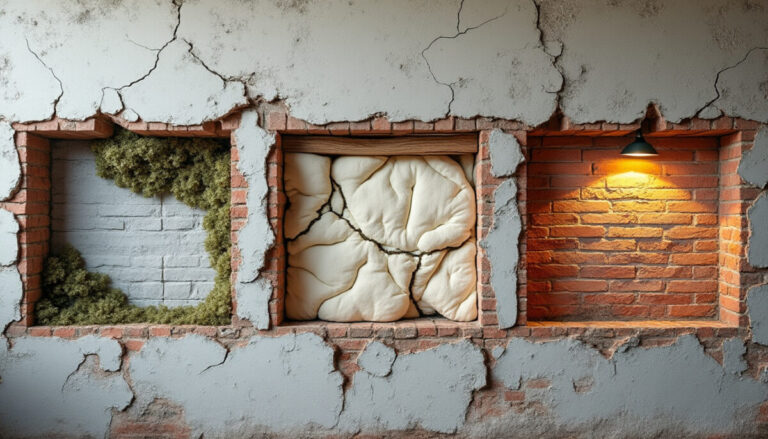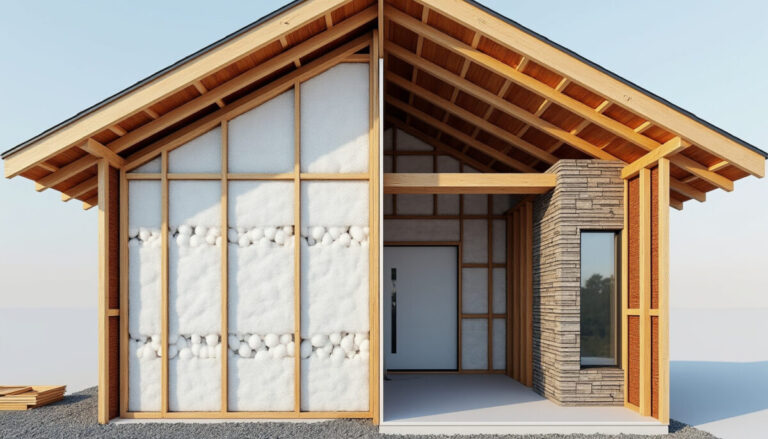
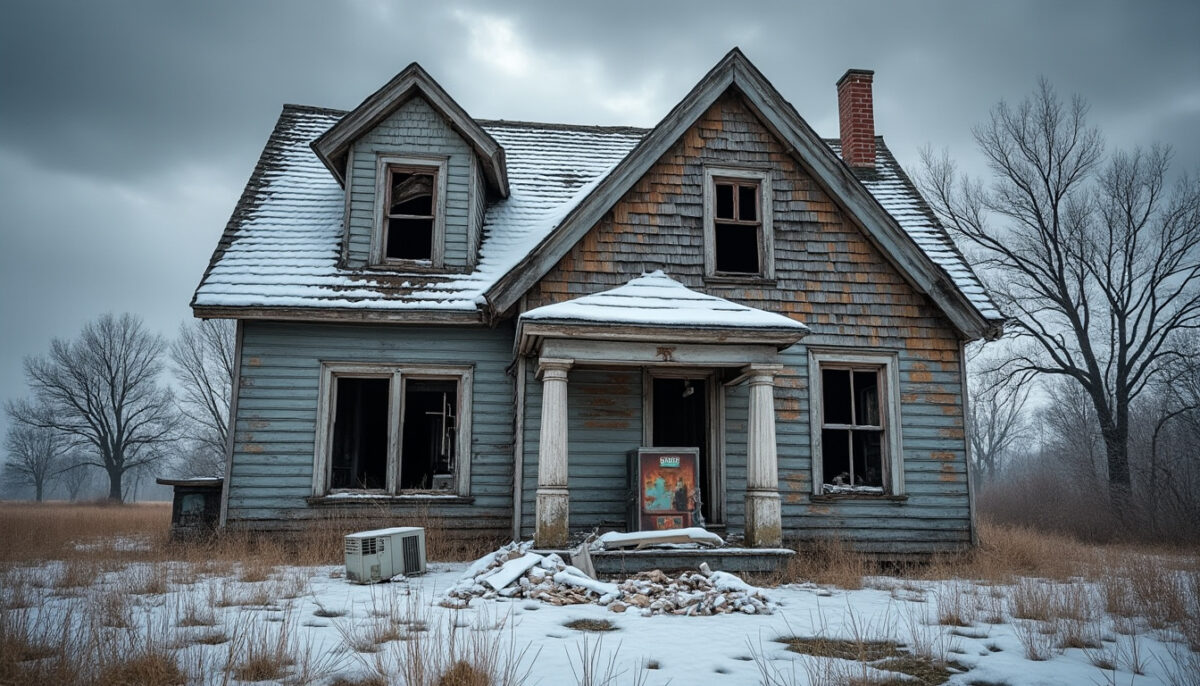
Insulation: for an old house, the cost can skyrocket here.
Hi, this is Claude. Insulating an old house can quickly become a costly investment, especially if you neglect key areas like the roof, walls, and the quality of the insulation materials. To prevent costs from spiraling out of control, you need to be methodical and plan ahead with a precise thermal audit. This is the best way to optimize your energy savings and the thermal renovation of your home.
To do immediately
- Have a thermal audit carried out to detect heat losses.
- Prioritize roof and attic insulation, which accounts for 30% of heat loss.
- Choose between interior or exterior thermal insulation depending on the condition of the house.
- Identify the insulating materials that are suitable for your old house and your budget.
- Check out the available insulation grants and subsidies to reduce the cost.
To properly assess the anticipated expenses, here is an excellent guide that details the cost of insulating an old house with concrete examples. You’ll also find good advice here on insulation of old houseswhich will help you better manage your budget.
Why the cost of insulating an old house can skyrocket
Older houses, often over 15 years old and rarely renovated, have virtually no insulation. This results in enormous heat loss, sometimes up to 25%. What’s deceptive is that this heat loss often affects several areas at once: walls, roof, and floors. The longer these defects are ignored, the more financially burdensome the investment required to correct them becomes.
A homeowner who neglected thermal insulation for years saw his bills skyrocket and had to undertake a costly renovation affecting the entire structure of his house. As one industry expert put it, “It’s better to invest in good insulation early than to pay dearly every winter.”
Key steps to controlling costs in thermal renovation
Here’s how to approach this renovation in 3 simple steps to limit costs and maximize energy savings:
- Step 1: Conduct a complete thermal audit and identify thermal bridges.
- Step 2: Prioritize the treatment of the roof and attic, then the walls.
- Step 3: Select insulating materials that are suitable for your region’s climate and meet standards (R ≥ 4.5). Consider spreading out the work if necessary.
Interior or exterior insulation: what impact on the budget?
Interior thermal insulation (ITI) is a good option because it preserves the historic facade while reducing costs: expect to pay between €50 and €90/m² including installation. However, be aware that it reduces living space and often requires you to vacate the house during the work.
External thermal insulation (ETI), on the other hand, preserves all the interior space and boosts comfort. But it costs more: on average €80 to €110/m², and can alter the exterior appearance, which is problematic for stone or brick facades.
| Type of insulation | Benefits | Disadvantages | |
|---|---|---|---|
| Interior thermal insulation (ITI) | 50 – 90 | Lower cost, preservation of the facade, room-by-room renovation | Reduced living space, invasive construction work |
| External thermal insulation (ETI) | 80 – 110 | Preserves living space, improves facade, reduces thermal bridges | Higher cost, possible aesthetic alteration, requires permits |
If your house is in a protected area, internal thermal insulation (ITI) is often preferred to comply with regulations. If it has very damaged walls and you want to modernize while ensuring its longevity, external thermal insulation (ITE) is sometimes the best choice.
Choosing the right insulation material for an old house
The choice of insulating materials is crucial for energy efficiency and overall cost. In 2026, bio-based insulation materials such as hemp or cork are gaining popularity for their thermal and ecological performance, even if their price is often higher (up to €30/m²).
Mineral wool insulation, particularly glass wool or rock wool, remains a good alternative with an average cost of around €12/m² and good moisture resistance. Synthetic insulation is lighter but less environmentally friendly.
Here is an overview of insulation materials frequently used for renovations:
| Insulation family | Benefits | Disadvantages | Indicative price (€ / m²) |
|---|---|---|---|
| Bio-based insulation | Eco-friendly, good thermal performance | Higher cost, treatments required | 20-30 |
| Mineral insulators | Good value for money, fire resistant | Settlement, need for renewal | 10-15 |
| Synthetic insulation | Lightweight, thermally efficient | Strong environmental impact | 8-12 |
How to finance the insulation of an old house?
The cost may seem daunting, but several insulation grants can help finance up to several thousand euros. MaPrimeRénov’ and the Energy Bonus are among the most accessible, offering up to €75/m² depending on your income and the type of work carried out.
Furthermore, the reduced VAT rate of 5.5% applies if a RGE-certified professional carries out the work. The eco-PTZ is also an attractive option, with interest-free loans of up to €50,000.
To maximize your chances, ensure your tradespeople are RGE-certified and that the materials used comply with current standards. It is essential to rely on a reliable professional quote to avoid any unpleasant surprises.
In summary, the keys to controlling your insulation budget
- Conduct a thorough thermal audit before you begin.
- Prioritize attics and roofs, the main sources of heat loss.
- Adapt the technique (ITI or ITE) to your house and its constraints.
- Choose the insulation material based on budget, performance, and climate.
- Take full advantage of subsidies and aid for thermal renovation.
What type of insulation should I choose for an old house?
It depends on several factors: the condition of the building, budget, and aesthetic constraints. Interior insulation is often preferred to preserve the appearance, but exterior insulation offers better overall performance.
Which insulating materials are most suitable?
Bio-based insulation materials such as hemp or cork are recommended for their performance and low carbon impact, while mineral insulation materials remain a cost-effective and efficient choice.
What is the average cost of insulating an old house?
Generally, expect to pay between €50 and €110 per square meter, depending on the chosen technique and materials. The total cost often varies between €15,000 and €20,000, depending on the surface area and condition.
What financial assistance is available for insulation?
MaPrimeRénov’, the Energy Bonus, the reduced VAT rate and the eco-PTZ are the main aids that can cover a significant part of the cost of the work.
Should the wall insulation be internal or external?
Thank you for your interest; Claude