Materials: stone and placo, a practical duo or a mistake?
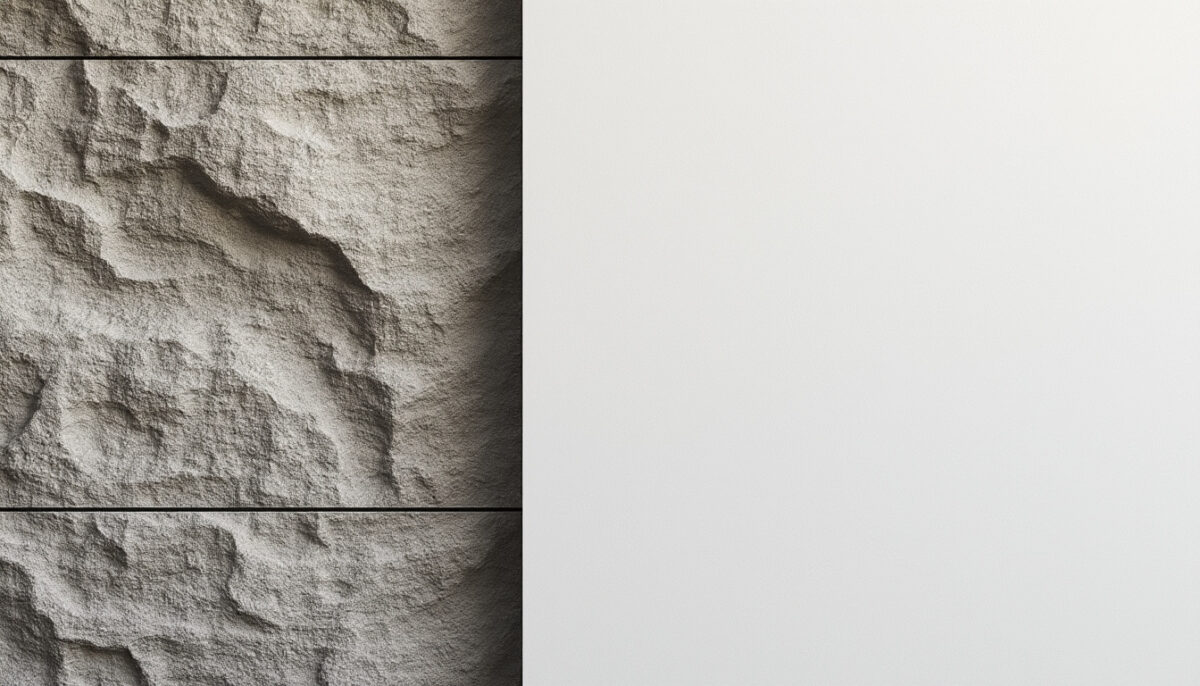
Hello, this is Claude. The combination of stone and placo can be a practical and durable solution for renovation, provided you understand the compatibility between these materials and properly manage humidity and the irregularities of old walls. When you combine the robustness of stone walls with the flexibility of placo, you get a modern interior while retaining authentic charm.
To do immediately
- Carefully inspect the stone wall for cracks and damp areas.
- Clean the surface with a wire brush to remove dirt and residue.
- Treat the cracks with a suitable mortar to stabilize the wall.
- Choose between a metal frame or a glued installation depending on the flatness of the wall.
- Provide thermal insulation in the metal structure to limit heat loss.
To learn more about installation techniques and material choices, consult these two practical resources: placo installation on a stone wall during renovation And installing placo on a stone wall.
Why choose stone and placo for your renovation? Compatibility and durability guaranteed.
Stone walls offer solidity and character, but often suffer from irregularities and dampness. Installing placo allows for insulation and modernization without compromising the building’s soul. This combination is practical: it offers a good compromise between tradition and contemporary comfort.
However, be aware that the key to success lies in preparing the wall. A wall that is too damp or very uneven can compromise the adhesion and durability of the placo. The choice of placo must also be appropriate: water-resistant in damp rooms, standard in dry rooms.
It’s a bit like renovating an old school while preserving its red bricks and installing a modern whiteboard — you have to respect what is old while intelligently integrating the new.
Humidity control and imperfection treatment
Moisture is often the number one enemy in stone walls. Neglecting this could lead to mold growth or placo detachment. Using a moisture meter is recommended to assess the wall before any work begins. If the moisture level exceeds 12-15%, a water-repellent treatment is recommended.
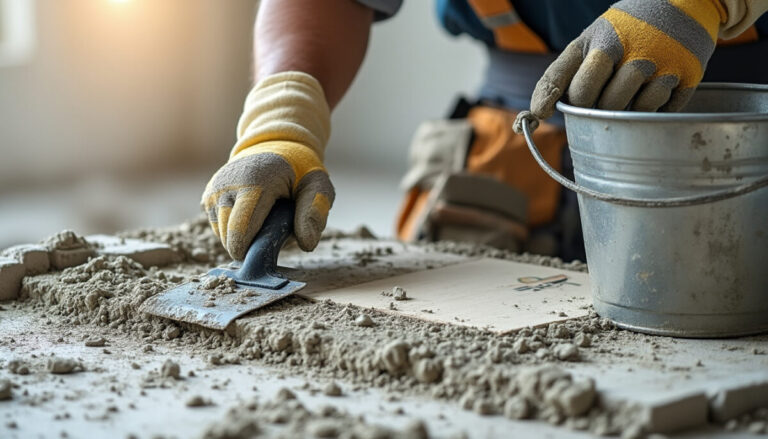
The cracks, meanwhile, are filled with lime or a suitable mortar to ensure a solid, flat base. This work will truly make a difference to the durability of the placo that is subsequently installed.
Summary table of average costs 2026
| Average cost | Comments | |
|---|---|---|
| Standard 13mm plates | €5 – €10/m² | Varies depending on quality and supplier |
| Water-repellent panels | €10 – €15/m² | Essential in wetlands |
| Metal frame | €6 – €12/linear meter | Includes rails and uprights |
| Adhesives and coatings | €4 – €8/m² | For installation and finishing |
| Workforce | €40 – €60/hour | Depending on complexity and region |
Effective installation techniques: metal frame vs. glued installation
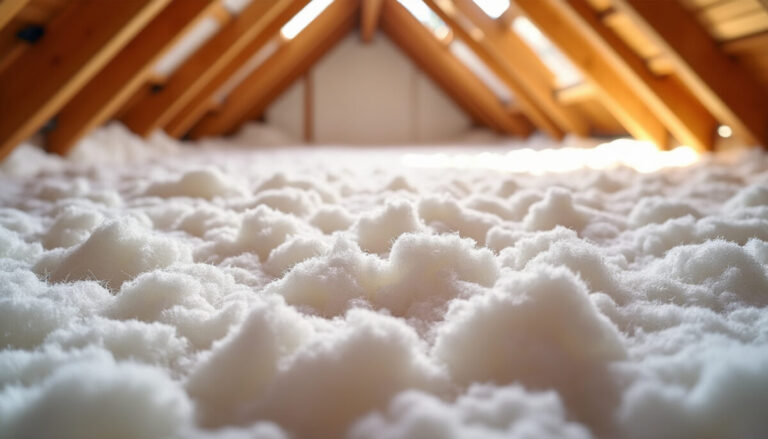
Installation on a metal frame remains the safest option for irregular stone walls. It allows for the integration of insulation, particularly fiberglass or rock wool, contributing to superior thermal comfort. The rails compensate for imperfections and create a moisture barrier.
Adhesive installation on pedestals is faster and less bulky, but requires a sound and relatively flat wall. If the stone is too uneven, this technique risks causing thermal bridges or premature detachment.
3-step procedure to successfully install your frame
- Prepare the framework : Fix rails and vertical uprights every 60 cm, checking their precise level.
- Cut and attach the plates Cut the panels to size and screw them in, leaving 1 cm from the floor to prevent moisture from rising.
- Complete the finishing touches : Apply joint compound in three passes using reinforced tape and sanding between each coat.
Some mistakes to avoid
- Do not diagnose the moisture level before installation.
- Failing to fill cracks and defects in the wall.
- Use standard plates in a humid room.
- Fixing panels to an unstable wall without a frame.
- Neglecting the finishing of joints and corners.
An anecdote: an old restored farmhouse saw its walls deteriorate after being glued directly onto a damp surface. A good lesson in anticipating pitfalls, as one craftsman said, “take good care of the stone, and it will take care of you.”
Choice of materials: adapting to each space for optimal compatibility
Standard placo is perfect for dry rooms, while water-resistant plasterboard is essential in bathrooms and kitchens. Fire-resistant placo is the appropriate choice for areas exposed to fire. The key is to know your house and its specific characteristics.
To refine your selection, natural insulation materials such as wood wool or hemp combined with a breathable metal frame also offer an excellent ecological and sustainable solution.
Two quick cases to consider
If your wall is sound and fairly flat, gluing it on saves time and space.
If your wall has defects or traces of moisture, do not hesitate to opt for a metal frame with appropriate treatment and insulation.
Tips for reducing costs without sacrificing quality
- Get help from a professional to avoid costly mistakes.
- Do the preparation yourself: cleaning and resealing.
- Opt for discounted plates and materials or recognized mid-range brands.
- Plan the finishing touches carefully to avoid having to redo them.
- Also consider exterior insulation if your budget allows, for optimal comfort.
What mistakes should be avoided when installing placo on a stone wall?
It’s essential to diagnose the moisture problem, repair any cracks, and choose the right panel for the room. Do not fix directly to an uneven wall without a suitable frame.
What type of plasterboard should I choose for each room?
Standard BA13 plasterboard is suitable for dry rooms. For damp rooms, water-resistant placo is recommended. In areas exposed to fire, choose fire-resistant plasterboard.
Can placo be glued directly onto all stone walls?
No, glued installation is suitable for relatively flat and dry walls. With an uneven or damp wall, it is better to opt for a metal frame.
Is a metal frame always preferable?
For effective thermal and acoustic insulation, a metal frame is often recommended, especially if the wall is uneven or subject to moisture.
Thank you for your interest; Claude