
Insulation: poorly insulated home, battery quickly overwhelmed
Hello, this is Claude. A poorly insulated home lets heat escape and can make an electric heating system work harder, potentially draining a home battery faster. Look for drafts, check the attic, and get an assessment before choosing any work. Better-targeted thermal insulation helps restore comfort and limit energy use.
What to do right away
- Note which rooms feel cold and when the heating runs for a long time.
- On windy days, look for drafts near windows and doors.
- Check the attic, especially if the house cools down quickly.
- Watch for signs of damp, condensation, or mold.
- Compare your bills with those from previous periods, taking the weather and your habits into account.
These signs alone don’t prove that a home is poorly insulated, but they can help identify areas to investigate. To recognize and check for symptoms, see this guide to signs of inadequate insulation and these tips for identifying a poorly insulated home.
Why a poorly insulated home can drain its battery quickly
When heat escapes, the heating system often has to run longer to maintain a comfortable temperature. If it’s electric, demand can rise and reduce the battery’s runtime when it’s also powering other household equipment.
So the battery isn’t necessarily the problem. Unusually high energy use may be caused by an energy-hungry heating system, poor controls, or heat loss through the attic, walls, windows, or floors.
Signs that are worth checking
Cold rooms despite the heating being on, temperature differences between bedrooms and the living room, or cold surfaces may indicate uneven insulation. An increase in energy bills without any significant change in usage is also worth investigating.
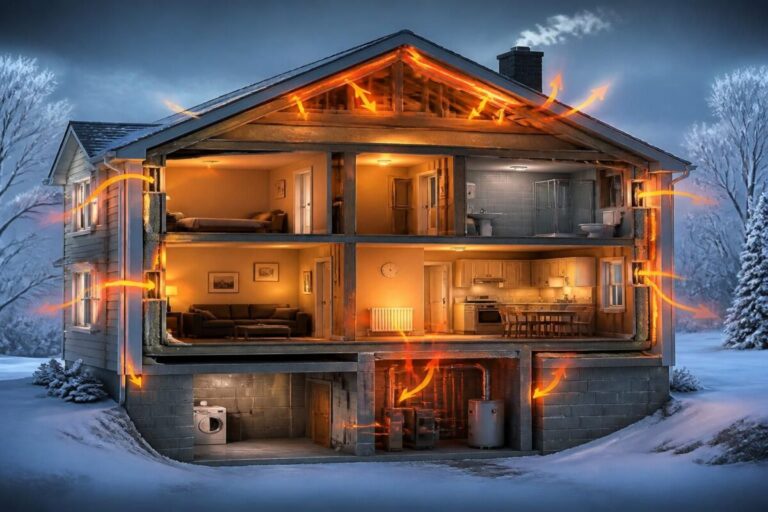
Thermal bridges are areas where heat escapes more easily, often where two surfaces meet or around windows. Repeated condensation in corners may be linked to these cold spots, but ventilation and sources of moisture should also be checked.
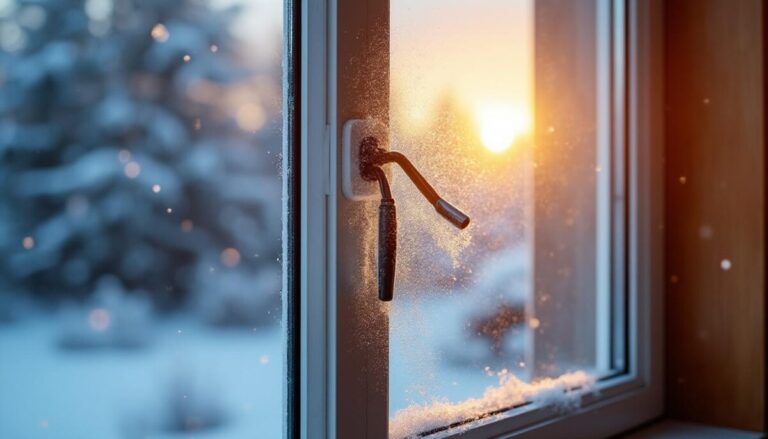
- Drafts: Check the seals around doors and windows on a windy day.
- Uneven temperatures: Note which rooms cool down the fastest.
- Attic hard to heat in winter or very hot in summer: Check the condition and continuity of the insulation.
- Mold: Act quickly and look for the cause rather than simply covering up the marks.
In a house, the attic is one of the first areas to check: roof heat loss can approach 30%, depending on the home and its condition. This figure varies according to the construction, ventilation, and quality of the existing insulation.
Find the heat loss before starting work
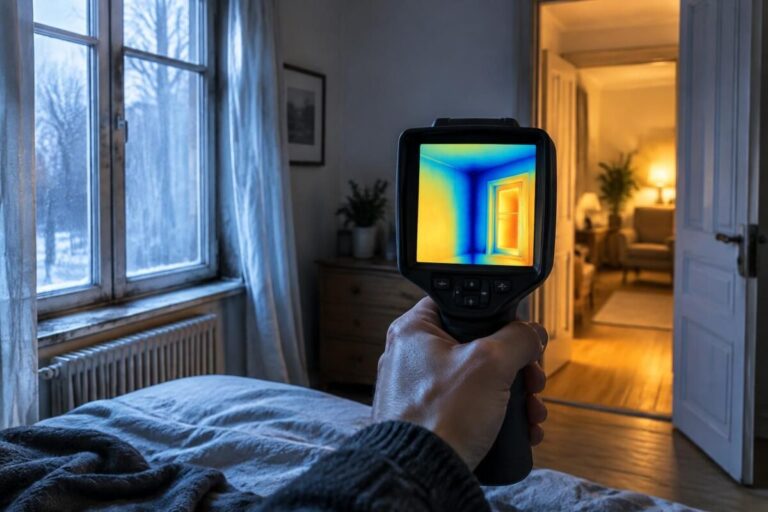
A visual inspection can provide some clues, but a thermal assessment helps you prioritize improvements. A thermal camera can reveal temperature differences; an energy audit helps you understand the home as a whole and compare solutions.
| Observed sign | Area to check | Useful action |
|---|---|---|
| Attic cold in winter or overheated in summer | Roof and attic insulation | Have the insulation’s thickness, condition, and installation checked |
| Cold air near openings | Windows, doors, and seals | Check airtightness and the condition of the frames |
| Cold wall or localized damp | Walls and thermal bridges | Ask for an assessment before treating the surface |
| Reduced runtime with electric heating | Energy use and heating settings | Compare usage and look for heat loss |
A short story can often explain things better than a long calculation: at Nora’s home, the living room stayed comfortable, but the upstairs bedroom cooled quickly and the battery ran down earlier on cold evenings. An attic inspection revealed compressed insulation, while the electric heating in that room was set too high.
“The best energy is often the energy you don’t need to use.” Before buying a larger battery or replacing your heating system, checking the home’s envelope can help you avoid making up for heat loss by using more energy.
Three steps to improve comfort and preserve battery runtime
- Step 1: For a few days, note how warm or cold each room feels, which rooms are affected, when the heating runs, and how much energy you use. These observations give the professional concrete information to work with.
- Step 2: Have the attic, windows and doors, walls, and any thermal bridges inspected. An assessment can distinguish an insulation problem from a ventilation or heating-control issue.
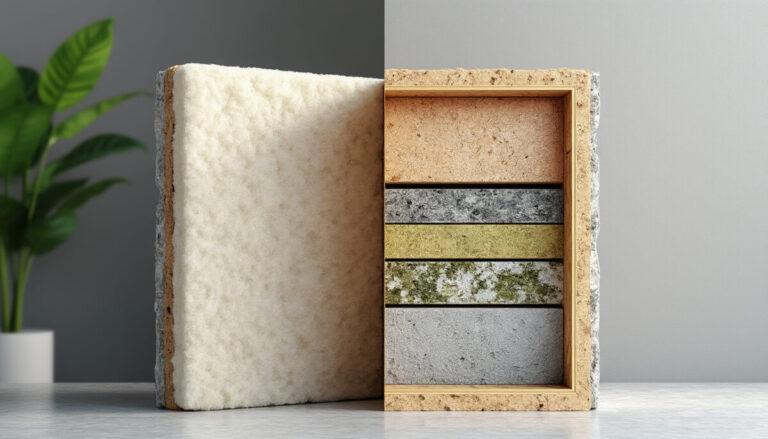
- Step 3: Prioritize energy-efficient renovations based on the heat loss actually identified. Treating the area with the greatest shortcomings first is often more effective than starting several projects without a clear order.
If the attic is the main area that feels cold, start by having the roof and insulation checked. If the battery drains quickly despite the temperature staying steady, compare the energy use of your appliances and check the heating settings.
While you’re waiting for the work to be done, thick curtains can reduce the feeling of cold surfaces near windows, but they’re no substitute for proper insulation. Good airtightness must also be compatible with adequate ventilation to prevent damp problems.
Frequently asked questions about insulation and home batteries
Can a poorly insulated home really reduce a battery’s runtime?
When heat escapes, it can put more demand on electric heating, reducing the energy available for other uses. The effect depends on the home, the heating system, the weather, and the battery’s capacity.
Which area should you check first?
The attic and roof are often a good place to start, but walls, windows, floors, and airtightness can also be responsible for heat loss. An assessment can help you decide what to prioritize.
Is mold proof of poor insulation?
Not on its own. It may be linked to cold surfaces and condensation, but it can also be caused by inadequate ventilation or water ingress. You need to identify the cause before taking action.
Can insulation be improved gradually?
Yes. Once the main sources of heat loss have been identified, work can be prioritized based on the home’s condition and your budget. It’s better to address the most problematic areas first than to undertake multiple projects at random.
Thanks for your interest; Claude