Energy Autonomy: Energy Independence, Myth or Realistic Strategy
Hello, Claude here. Energy self-sufficiency is a realistic strategy for a household, but complete independence remains difficult and often expensive.
The right goal is to reduce your needs, produce some of your own energy, and keep the grid as a backup. Before investing, you need to distinguish between self-sufficiency, self-consumption, and energy security.
Good habits to adopt
- Review your electricity, heating, and hot water consumption.
- Identify heat loss and address insulation before sizing an installation.
- Check sunlight exposure, roof orientation, and any shaded areas.
- Compare the cost of equipment, energy storage, and maintenance.
- Decide which essential uses to maintain in the event of a grid outage.
To get started, you can consult this practical guide to energy self-sufficiency for beginners and this approach to making progress without breaking the bank.
Energy self-sufficiency: what does it really mean?
An energy-independent home produces the energy it needs locally, with storage that allows it to be used later. In practice, meeting all your consumption needs at every hour of the year requires sufficient production even in winter, when days are short and heating demand is high.
Self-consumption is more attainable: you use the electricity produced at home while remaining connected to the electricity grid. You can still buy energy when your production is insufficient and sometimes feed surplus electricity into the grid. This flexibility reduces the need for expensive batteries.
The distinction also matters at the national level. France’s provisional energy independence rate stood at 62.7% in 2025, according to the data provided. This indicator compares domestic primary production with primary consumption: it does not mean that the country has stopped importing oil, gas, or uranium.
| Term | What it means | What it does not guarantee |
|---|---|---|
| Energy self-sufficiency | A significant share of needs met by local production | A continuous power supply without the grid |
| Self-consumption | Using energy produced on-site | No need to buy electricity at any time |
| Energy independence | An indicator comparing national production with consumption | Sovereignty over all fuels, equipment, and materials |
The real obstacle: household needs and the seasons
A renewable energy system does not automatically compensate for an energy-inefficient building. A poorly insulated home may need a lot of heating precisely when solar production is lower. That is why energy efficiency should come before choosing panels or batteries.
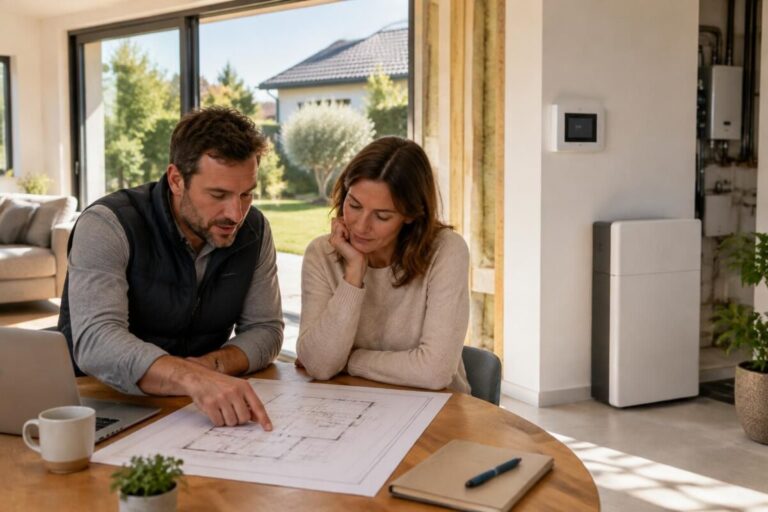
Imagine Samira and Julien, who live in an older house with poorly insulated attic space. Their first instinct might be to add solar panels. But by reducing heat loss first and adjusting their heating system, they can reduce the size of the system they need and make their project more affordable.
The assessment should also take into account orientation, shading, electrical appliances, hot water, and future uses, such as charging a car. A detailed energy audit helps identify priorities, while a solar assessment estimates the production that is actually possible from the roof.
Generation, batteries, and the grid: finding the right balance
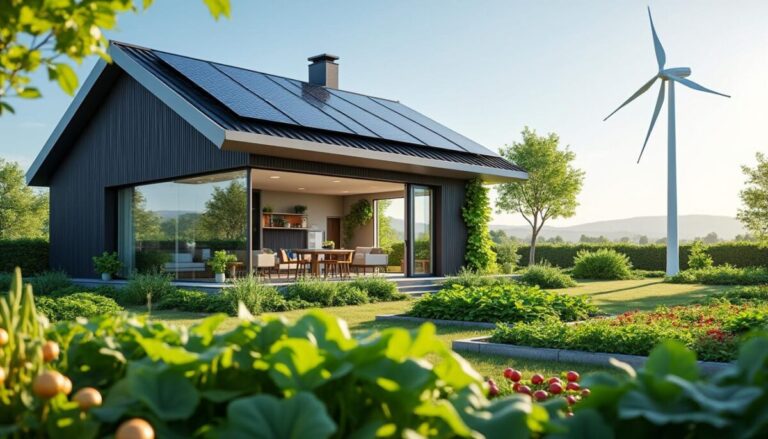
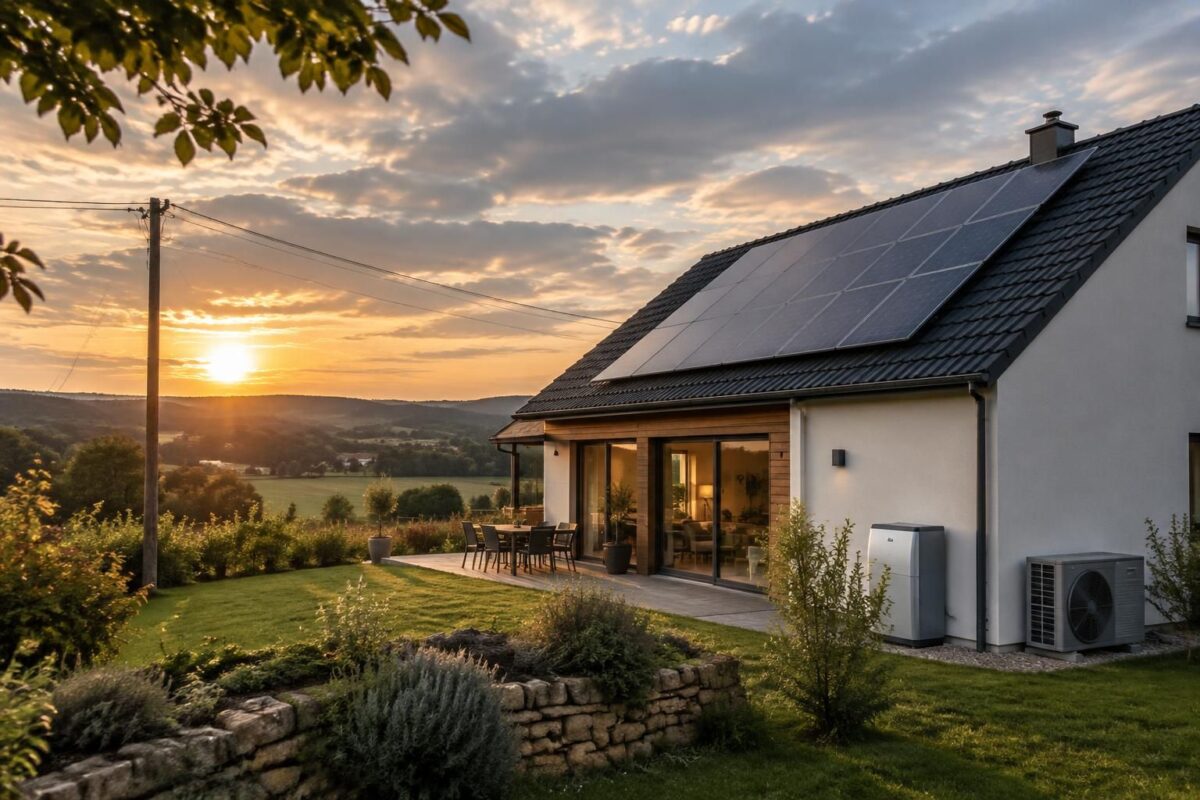
Solar photovoltaics are often the starting point for a home. They generate electricity mainly during the day and in sunny seasons. Solar thermal can contribute to hot water or heating, depending on the setup. Residential wind power and geothermal energy may be suitable in some situations, but are highly dependent on the site, permitting requirements, and cost.
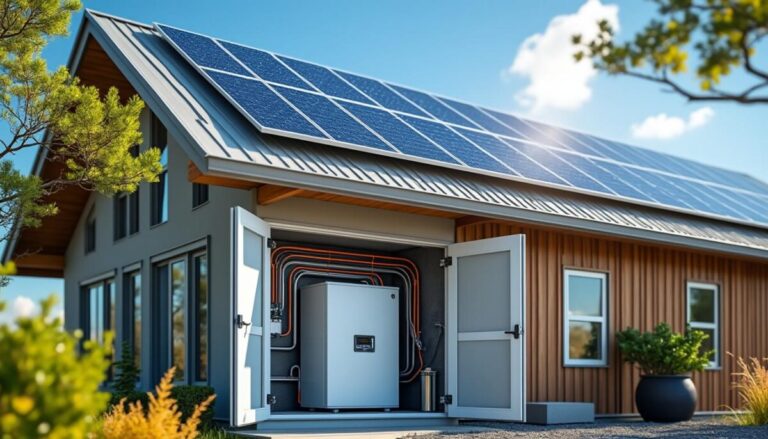
Energy storage allows some of the energy generated to be shifted to the evening. It improves self-consumption, but it does not generate electricity and cannot, on its own, solve prolonged winter shortfalls. To improve energy resilience during an outage, it is better to identify priority uses—refrigerator, lighting, phone, or medical equipment—rather than trying to power the entire home without limits.
The grid is therefore an ally, not a failure. Interconnections and energy exchanges help balance electricity supply on a large scale; at home, keeping a grid connection helps secure your supply when local generation is insufficient.
A three-step approach to making progress without taking a risky gamble
- Measure your needs. Gather a year’s worth of consumption data and separate out heating, hot water, cooking, and appliances. Consider planned changes, such as getting an electric vehicle.
- Reduce losses. Check insulation, airtightness, and heating settings. Targeted improvements can reduce your needs before you invest in energy generation.
- Size your system. Compare several scenarios: self-consumption without a battery, adding storage, or backup power for just a few appliances. Check the costs, available incentives, and connection requirements.
This approach helps avoid a common mistake: buying equipment based on a promise of a zero bill without calculating your actual needs. A system suited to the home and its occupants’ habits is generally more useful than an oversized one.
The energy transition: balancing self-sufficiency and sovereignty
At the collective level, the energy transition does not rely on a single technology. Reducing consumption, developing renewable energy, maintaining dispatchable generation, and expanding storage all contribute to energy security.
Local production and energy sovereignty should also be distinguished. A country can produce a large share of its electricity while remaining dependent on imported fuels, materials, or equipment. Diversifying supply and developing industrial capacity strengthens this sovereignty without requiring all exchanges to stop.
For a household, the most realistic strategy is often gradual: consume less, increase self-consumption, and keep an appropriate backup solution. Self-sufficiency then becomes a useful goal, not an absolute promise.
Can a home be completely energy-independent?
This is possible in some configurations, but it requires a significant reduction in energy needs, properly sized equipment, and substantial storage. Winter production and cost make complete independence difficult for many homes.
Should you install batteries with solar panels?
Not necessarily. A battery can increase self-consumption by storing surplus energy for the evening, but whether it is worthwhile depends on consumption habits, price, capacity, and expected lifespan.
Why insulate before generating your own energy?
A better-insulated home needs less energy to stay comfortable. This makes it easier and often less expensive to meet your needs with a renewable energy system.
Does France’s energy independence rate mean the country no longer imports energy?
No. The rate measures domestic primary production relative to primary consumption. It does not mean that imports of oil, gas, fuels, or equipment have ceased.
Thanks for reading! Feel free to share your thoughts in the comments. — Claude