
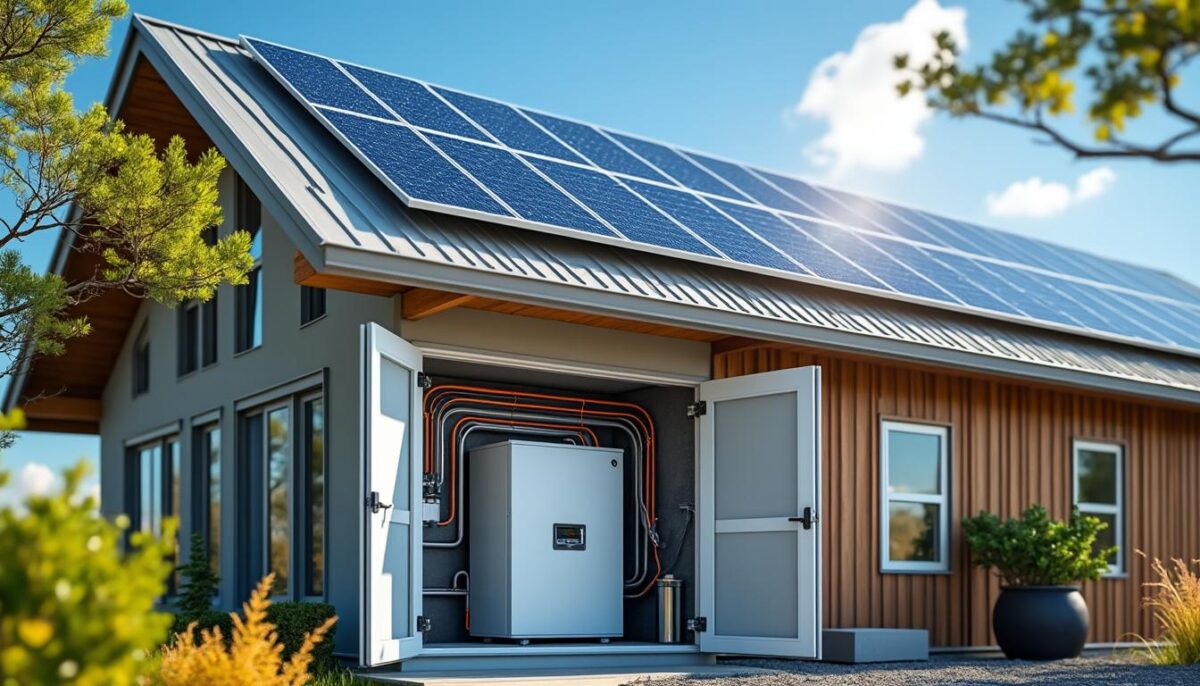
Battery life: a common mistake before the homemade battery
Hello, this is Claude. The most common mistake before installing a home battery is believing that simply installing solar panels is enough to achieve energy independence. To successfully transition to energy independence, you must first understand and reduce your energy needs, then size your energy storage system according to your actual battery capacity, not your desired energy needs.
To do immediately
- Measure your daily consumption over several days.
- Identifies the major energy-consuming items (water heater, heating, household appliances).
- Invest in insulation to reduce your needs before adding more equipment.
- Check the orientation and the absence of shade on your future solar installation.
- Prioritize smart energy management with simple rules and monitoring.
Before installing any battery, read the advice on common mistakes in energy self-sufficiency and understand how to avoid solar-powered traps It will save you time and avoid unnecessary expenses.
Why energy efficiency is key before investing in a home battery
First and foremost, it is important to understand thatautonomy It rhymes with frugality, not just with power or battery size. Buying more panels or a gigantic battery capacity doesn’t compensate for an energy-intensive home. It just inflates the bill and complicates energy management.
An anecdote: a family thought they could cover 100% of their energy needs with a large battery. But their poorly managed consumption meant the battery was running at half capacity, and their bills didn’t decrease. After insulating cold surfaces and shifting heavy usage, the battery size could be reduced, battery performance improved, and their comfort increased.
Avoid misjudging energy needs
The key is to accurately measure your actual power consumption and distinguish between instantaneous power and storage capacity. Some appliances require a significant power surge (like refrigerators starting up) that needs to be anticipated. Otherwise, even with a high-capacity battery, the equipment won’t function properly.
Concrete example
A couple installed a battery without considering the power rating of their inverter. As a result, in the event of a power outage, their refrigerator wouldn’t start. After switching to an inverter with a higher peak power rating, their power supply became functional and less frustrating.
3 simple steps to successfully install and optimize the lifespan of your home battery
- Accurately assess your consumptionUse a tool or notebook to record your hourly consumption for at least one week.
- Reduce demandPrioritize insulation and replace energy-intensive equipment. Shift heavy usage to daytime hours if possible.
- Adjust battery capacity and equipmentChoose a battery that matches your needs, with a suitable chemistry for the lifetime and a system capable of managing charging and discharging efficiently.
If you live in a city with limited space and a backup power grid, opt for a moderately sized battery with active production monitoring. If you live in a remote area, ensure you have sufficient storage to cover several days of low sunlight. These adjustments are essential.
Manage optimally to maximize battery performance and comfort
A home battery system isn’t just an energy chest; it’s a brain. Without one energy management By not adapting your system, you’re missing out on significant savings. Prioritize charging batteries with excess solar production, use the water heater as a buffer, and adjust the operating hours of heavy appliances. These adjustments often make all the difference.
To do at home
- Install a control and monitoring system, even a basic one.
- Schedule intelligent load shedding to avoid saturating battery capacity.
- Set up a rule to run the water heater during peak production times.
- Performing regular maintenance on batteries and panels prolongs the lifespan of batteries and panels. lifetime.
- Stay informed by consulting reliable sources regularly to avoid common mistakes.
For more practical details, see the page on solar battery maintenance is a wealth of useful information to guarantee the longevity and efficiency of your home battery.
Common mistakes and their impact on your self-sufficiency project
| Error | Consequences | Simple solution |
|---|---|---|
| Poor consumer rating | Network dependency, high bills | Measure and adjust your actual consumption |
| Battery undersizing/oversizing | Energy loss, premature wear, unnecessary costs | Adjust battery capacity to the actual profile |
| Improper installation | Failures, security risks | Hire a certified professional |
| Neglecting maintenance | Battery performance reduction | Schedule regular checkups and cleaning |
| Ignore shading and orientation | Significant drop in production | Inspect the site and then install micro-inverters. |
Preparing for successful independence: tips for starting small
Often, we want to change everything at once and waste money. Starting small, testing, and then adjusting is the best approach to avoid regrets. It also allows you to get to know your system and optimize energy management gradually. Every improvement builds confidence.
“The biggest mistake is believing that solar energy works without preparation.” A sustainable energy professional summed up this truth well.
How to properly assess your energy needs?
Use a measuring tool or a notebook to record your consumption over several days, making sure to note peak times and the main appliances.
What size battery should I choose?
The capacity depends on your consumption, but also on your desired autonomy (number of days without sun successfully completed). Also consider the peak power required.
Why is maintenance important?
Regular monitoring ensures battery life and performance. Ignoring this step can lead to a rapid loss of efficiency.
How to maximize self-consumption with a battery?
Prioritizes devices that require heavy sunlight hours, relocates heavy usage, and uses intelligent management with supervision.
How to avoid installation errors?
Consult a certified professional, verify the compatibility of the components and compliance with applicable standards.
Thank you for your interest; Claude