Energy: Is electric heating trapping you?
Hi, it’s Claude. Electric heating can indeed be a trap if you don’t understand its consumption, efficiency, and environmental impact. The key is learning how to regulate it, optimize its use, and above all, consider alternatives to save energy while contributing to the energy transition. My article will help you see things more clearly.
To do immediately
- Check your home’s insulation to limit heat loss.
- Reduce the temperature of your electric heater by 1 to 2°C.
- Use a programmable thermostat to avoid unnecessary heating.
- Examine your energy bills to better understand your consumption.
- Explore alternatives such as self-contained auxiliary heaters.
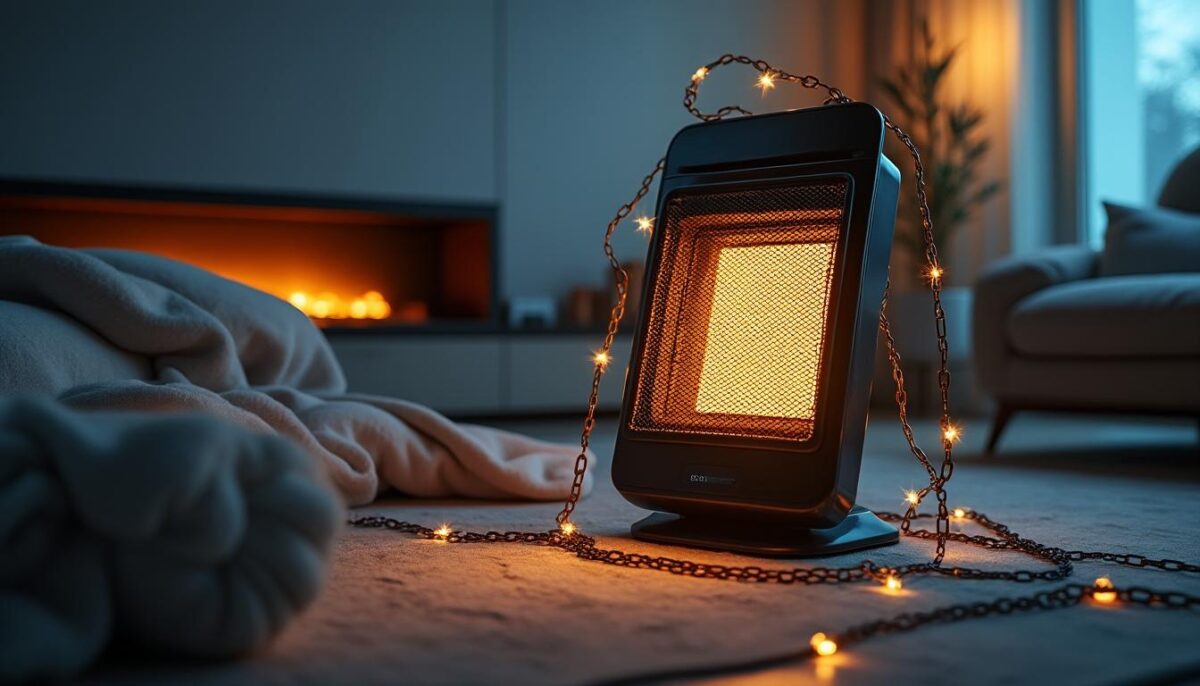
Electric heating is often criticized for its high cost and his energy trap It can lead to overconsumption and an increase in your bill if you’re not careful. Depending on the model and the situation, its efficiency varies, but it often remains energy-intensive if the house isn’t well insulated. If you live in an older house, be careful, it can become a real energy drain. If you’re in a well-insulated apartment, it can be a simple and reasonable solution.
To optimize your electric heating, you can browse these valuable articles: limit unnecessary heating And where you are precisely losing energy.
Why electric heating can become an energy trap
Electric heating converts electricity into heat with 100% efficiency, which seems perfect. But the catch lies in its cost Related to the energy source: electricity is not always from renewable sources. Furthermore, if used incorrectly, it encourages overheating to compensate for losses and improve comfort.
This vicious cycle increases your consumption And therefore your environmental impact. To reassure you, a friend had installed a fixed electric radiator. In winter, with a hefty bill, he ended up investing in better insulation and a more targeted supplementary heating system.
The truth about energy efficiency and cost
An electric convector heater provides immediate heating, but its cost per kilowatt-hour is often high depending on the region. The balance between comfort and energy bill is therefore tricky. To avoid this pitfall, check electricity rates and off-peak hours.
Alternatives to escape the trap
There are alternatives Alternatives to conventional electric heating can reduce your environmental impact while saving you money. Supplemental wood-burning stoves, heat pumps, and improved insulation allow you to spend less, both physically and financially.
A table to compare heating solutions
| Heating type | Average cost | Energy efficiency | Environmental impact | Suitable for |
|---|---|---|---|---|
| Classic electric heating | Medium to high | High immediate | Average according to electricity source | Well-insulated apartments |
| Heat pump | High investment | Very high | Weak | Houses with good insulation |
| Wood-burning auxiliary heater | Low to medium | Moderate | Variable, depends on the wood | Detached house |
Three steps to mastering your electric heating
- Step 1: Analyze your consumption with an app or your energy provider.
- Step 2: Improves insulation around windows, doors and attics.
- Step 3: Install a smart thermostat and program your heating schedules.
“The cheapest energy is the energy you don’t use”: this maxim remains true to avoid the pitfalls of electric heating.
Simple tips to avoid falling into the trap
- Lower your target temperature to 19-20°C, that’s usually enough.
- Dress warmly at home so you don’t overheat.
- Ventilate for 5 to 10 minutes a day rather than leaving the window ajar.
- Use thick curtains to keep the heat in at night.
- Distribute the heat well with ceiling fans or portable heaters.
You can explore these techniques further with this practical resource: eco-friendly actions for heating.
Is electric heating still a bad option?
Not necessarily. If your house is well insulated and you have a good electricity rate, it can be a reasonable short-term solution.
How can I quickly reduce my energy costs?
Improve insulation, lower your temperature, and program precise heating periods to avoid waste.
What ecological alternatives exist?
Heat pumps, wood heating, solar thermal panels: these are avenues to explore depending on your home.
How can I tell if my heating system is an energy trap?
Analyze your bill, see how your consumption changes when you change your habits, and check if heat is being lost in your house.
Thank you for your interest; Claude