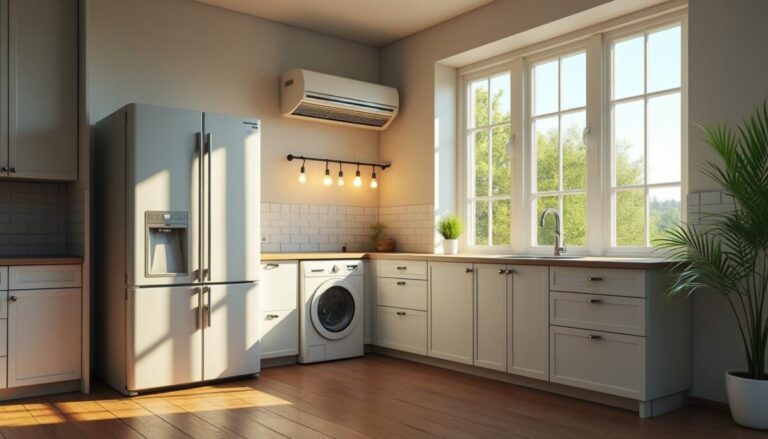

Eco-friendly habits: washing too much, heating too much, paying too much
Hello, it’s Claude. To do less washing, use less heating and pay less, adjust the heating first, run full loads and avoid unnecessary rinsing. These eco-friendly habits reduce consumption without complicating your daily life. A few well-chosen habits can already make a difference to your energy bill.
“Do this right away”: five eco-friendly habits to pay less
- Turn the heating down by one degree and adjust the temperature in each room.
- Run the washing machine and dishwasher when they’re full.
- Choose a low-temperature cycle for lightly soiled laundry.
- Take a short shower instead of a bath.
- Switch off appliances and lights that are unnecessarily left on.
These habits are easy to try starting today. To find other ideas suited to your home, take a look at these tips for adopting three good habits starting tonight and these ideas for reducing food waste in the kitchen.
Responsible heating: use less heat without sacrificing comfort
Heating often accounts for a large share of a household’s energy costs. According to the guidelines cited by ADEME, turning the temperature down by one degree can reduce your heating bill by around 7%, depending on the home, the heating system and your habits.
Aim for a moderate temperature and mainly heat the rooms you use. Close the shutters at night, don’t cover radiators, and air the room briefly rather than leaving a window ajar for a long time: energy efficiency starts with these simple adjustments.
“The right temperature is the one that keeps you comfortable without heating empty rooms.” Responsible heating also means setting the temperature appropriately: a little lower in bedrooms, and higher in living areas if needed.
| Habit | Approximate figure | Remember |
|---|---|---|
| Turn the heating down by one degree | Around 7% savings on heating, depending on the situation | Lower it gradually and check your comfort. |
| Shower for about five minutes | Around 70 litres, depending on the flow rate | A bath can use around 150 to 200 litres. |
| Washing dishes by hand | An average of around 42 litres, depending on the conditions | Fill two basins instead of leaving the water running. |
| Run the dishwasher when it’s full | Consumption varies depending on the appliance and programme | Avoid pre-rinsing unless the instructions say to. |
Wash thoughtfully: run fewer loads
Clothes worn briefly don’t always need to be washed. Air them out, spot-clean small stains and wait until you have a full load before running the machine: thoughtful laundry habits save water, electricity and time.
A low-temperature programme is often enough for everyday laundry. However, the temperature and cycle should match the care-label instructions, how soiled the items are and any hygiene requirements.
At home, Sam started washing towels only when the machine was full. Within a few weeks, this new routine had reduced the number of cycles without affecting comfort.
Save water: make a difference in the shower and when washing dishes
Heating hot water takes energy. Taking a shorter shower, fitting a suitable aerator to the tap and fixing a leak can therefore help save both water and energy.
When washing dishes by hand, don’t leave the water running continuously: use one basin for washing and another for rinsing, and start with the least soiled dishes. If you use a dishwasher, wait until it’s full and follow the manufacturer’s recommendations for the programme and detergent dosage.
Toilets also matter when it comes to reducing waste. A dual-flush toilet lets you use the right amount of water for the job, while even a small leak is worth checking promptly.
A three-step method for making good habits stick
- Step 1: identify your biggest expense by checking a bill or the settings on your appliances.
- Step 2: choose two easy habits, such as turning down the heating and running full loads.
- Step 3: review your habits after a few weeks and stick with what works without compromising your comfort.
If your home is often too warm, start by adjusting the thermostat and clearing space around the radiators. If your bill is mostly driven by water use, take shorter showers and check for leaks.
Responsible consumption throughout the home
Eco-friendly habits aren’t limited to heating and laundry. Switching off standby mode, walking or cycling for short trips when possible, and maintaining appliances also contribute to responsible consumption.
A clean, well-maintained refrigerator releases heat more effectively. Dust its rear grille according to the manufacturer’s recommendations and check the seals: if a sheet of paper slides out easily when the door is closed, the seal may be worn.
The best strategy is to start with the uses that account for the most in your home, then make progress at your own pace. Consistency is what turns small habits into lasting savings.
What temperature should I choose to use less heating?
Set a moderate temperature that suits the room and your comfort. Turning the thermostat down by one degree can reduce heating costs by around 7%, depending on the home and heating system.
Should I rinse dishes before putting them in the dishwasher?
Generally, pre-rinsing is not necessary. Remove large food scraps and follow the instructions for your appliance.
How can I reduce the water used when washing dishes by hand?
Don’t leave the tap running continuously. Use one basin for washing and another for rinsing, and start with the least soiled items.
Which eco-friendly habit should I adopt first?
Choose a habit related to the area that accounts for the most in your expenses: adjusting the heating, running fuller loads of laundry or reducing hot water use.
Thank you for your interest; Claude