
Energy: which habits help you save without sacrificing comfort
Hello, this is Claude. To save money without sacrificing comfort, set the heating to a sensible temperature, switch off appliances on standby, and adjust how you cook and do laundry. A few simple habits are often enough to reduce your bill, without renovations or expensive equipment. Comfort also comes from a home that retains heat better and from controlled ventilation.
Things to do right away
Start with free actions, then see which ones suit your home. For more practical ideas, check out these ways to reduce your electricity consumption and this guide to energy-saving habits in summer.
- Set the heating to around 19 °C in living areas, and turn it down in bedrooms if that works for you.
- Switch off appliances on standby using a power strip with a switch.
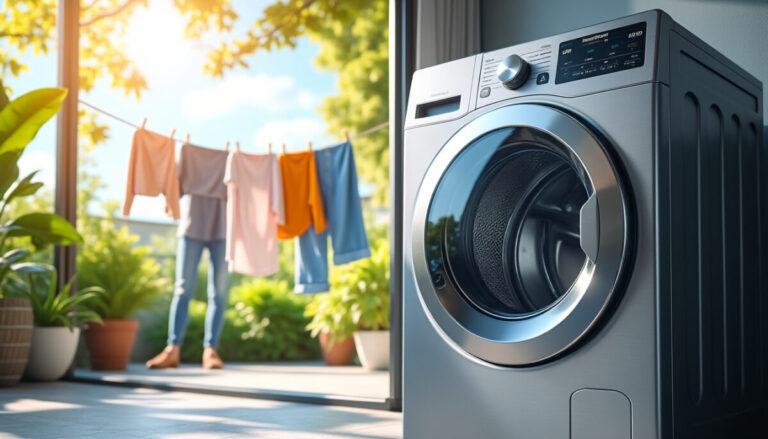
- Run the washing machine when the drum is full and choose a low-temperature cycle.
- Keep radiators unobstructed and close the shutters as soon as night falls.
- Cover pots to heat them faster and reduce heat loss.
Turn down the heating without sacrificing comfort
Heating often accounts for a large share of a home’s energy use. Turning the thermostat down by 1 °C can reduce the energy used for heating by around 7%, depending on the home and your habits. The aim isn’t to feel cold: start by removing excess heat and wear comfortable clothes at home.
A programmable thermostat lets you adjust the temperature to match the times you’re at home. Programming the heating means you don’t heat an empty room unnecessarily. Close the shutters at night, put rugs on cold floors, and check the seals around doors and windows.
Improving thermal insulation doesn’t always require major renovations; there are things you can do every day. Sealing windows and using thick curtains can limit drafts, while controlled ventilation refreshes the air without leaving windows open for long in winter. Air out your home thoroughly for 5 to 10 minutes rather than leaving a window ajar for hours.
One evening, Lina noticed that her radiator was hidden behind an armchair. After moving it, the room felt more comfortable without touching the thermostat: sometimes a small change helps heat circulate better.
Simple ways to save energy with appliances and cooking
Televisions, game consoles, internet routers, and chargers can continue to use energy when left on standby. A power strip lets you switch off several appliances at once, for example before going to bed. Switching to LED bulbs in frequently used lights is another easy change to maintain.
For laundry, a low-temperature cycle is generally enough for lightly soiled clothes, depending on the program and detergent. Fill the drum without overpacking it, use an effective spin cycle, and air-dry clothes when possible. In the kitchen, putting a lid on the pot and turning down the heat once the water boils saves energy without changing the meal.
In warm weather, cold meals also reduce the heat released by the oven and stovetop. If you have a pool, covering it at night reduces evaporation and heat loss; also adjust the filtration according to the equipment’s recommendations.
“The best habit is the one you stick with.” The same applies to saving hot water: taking a shower instead of a bath and cutting a few minutes off your shower can reduce the energy needed to heat water without giving up comfort.
Actions that make a difference in different situations
Savings vary depending on your home, equipment, and the weather. Here are a few simple guidelines to help you decide where to start and avoid changing everything at once.
| Action | Intended effect | Keep in mind |
|---|---|---|
| Turn the heating down by 1 °C | Reduce heating consumption | Around 7% on average, depending on the home and how it is used |
| Switch off standby devices | Limit ongoing energy use | A power strip makes this easy |
| Wash at 30 or 40 °C | Use less energy to heat the water in the cycle | Choose a setting based on the laundry and program |
| Close the shutters at night | Limit heat loss | Especially useful in cold weather |
If you’re often away during the day, program a lower temperature for those hours, then have it return to a comfortable temperature before you get home. If your home stays cold despite adjusting the settings, check for drafts and inspect the radiators before turning up the heat.
A three-step method to take action
- Observe: for a few days, identify rooms that are overheated, appliances left on, and hot-water use.
- Choose: adopt two or three easy habits, such as turning the heating down slightly and switching off standby devices in the living room.
- Adjust: after a week, check your comfort and energy use, then keep the habits that help or adjust the settings.
Consistency matters more than a radical transformation. Start with what costs nothing, then go at your own pace: every bit of waste avoided lowers your bill and your household’s environmental footprint.
Frequently asked questions about saving energy
Is turning the heating down by one degree enough to save energy?
It can reduce heating consumption by around 7% on average. The result depends in particular on insulation, the heating system, and household habits.
Should you leave windows ajar in winter?
It’s better to air out your home thoroughly for 5 to 10 minutes, then close the windows. This refreshes the air without letting the walls and furniture cool down for long.
What should I do first to reduce my bill?
Start with heating, which is often the biggest expense, then switch off appliances on standby and fill the washing machine and dishwasher properly.
Do appliances on standby really use energy?
Some appliances continue to use energy when on standby. A power strip with a switch makes it easy to turn off several unused devices.
Thank you for your interest; Claude