Materials: healthy renovation or lower bill first
Hi, this is Claude. To ensure a successful renovation, the ideal approach is to combine sustainable materials with a lower cost while guaranteeing a healthy renovation. Opting for eco-friendly materials and natural insulation can reduce your costs in the long run while improving indoor air quality and the energy efficiency of your home.
To do immediately
- Identify priority areas for renovation to avoid unnecessary expenses.
- Compare several quotes to choose the best value for money.
- Choose sustainable and bio-based materials that prioritize health and energy efficiency.
- Take advantage of available financial assistance to reduce the bill.
- Plan your work during the off-season to take advantage of lower rates.
Discovering how to balance healthy renovation with cost optimization is essential, especially when prioritizing responsible construction. Eco-friendly materials aren’t always more expensive, and their intelligent use plays a key role in reducing energy costs. To learn more, I recommend consulting these relevant resources: economical materials for renovation And successfully completing your energy renovation by 2025.
Eco-friendly materials and natural insulation at the heart of healthy renovation
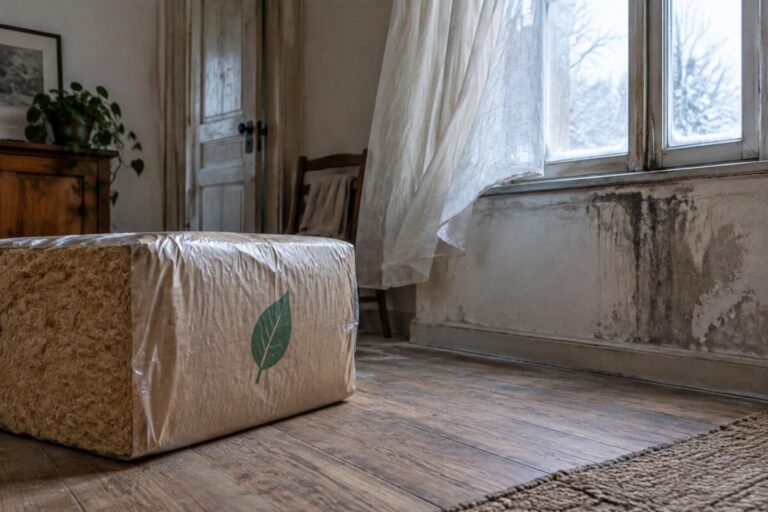
Choosing eco-friendly materials is an excellent way to ensure a healthy renovation that respects both your health and the planet. Natural insulation, such as hemp wool, cellulose wadding, or cork, guarantees better indoor air quality and reduces the risk of allergies.
It’s important to remember that the energy efficiency of these materials can lead to substantial energy savings over several years. For example, good insulation reduces heat loss and prevents you from overheating or excessively cooling your home.
If it’s an older property, choosing natural materials avoids many of the problems associated with older, toxic materials. If you’re renovating a poorly insulated house, these materials become the priority for immediately reducing your energy bills.
Concrete advantages of sustainable materials
| Material | Main advantage | Estimated cost reduction | Effect on air quality |
|---|---|---|---|
| Hemp wool | Durable insulation and moisture resistance | 10-30% savings on heating depending on initial insulation | Improves natural ventilation |
| Cellulose wadding | Recyclable and economical material | 12-28% on energy bill | Neutralizes moisture |
| Expanded cork | Lightweight and renewable insulation | 15-25% energy reduction | Hypoallergenic material |
Cost reduction through energy-efficient renovation
Investing in energy efficiency often results in lower bills from the first year. Simple actions like replacing your windows with double glazing, installing a programmable thermostat, or switching to LED lighting provide a quick return on investment.
Installing solar panels is more expensive in the short term, but the reduction in electricity bills can reach 50% or more in the long term. This choice, combined with natural insulation, is part of a winning strategy to limit your energy expenses.
A simple procedure for a healthy and economical renovation
- Step 1: Assess the specific insulation and material needs of your home. Have an energy audit done if possible.
- Step 2: Choose eco-friendly materials that fit your budget and project, checking their impact on indoor air quality.
- Step 3: Optimizes work planning to benefit from financial aid and completion during the off-season.
Quick anecdote
A homeowner who chose hemp wool for his renovation saw his heating bills cut in half within a year, while also enjoying much healthier indoor air. He was delighted to have dared to invest in sustainable materials, despite the initial extra cost.
A thought to keep in mind
“The greatest wealth is health,” Remember that choosing a healthy renovation is not just about cost, but also about preserving your quality of life.
A practical guide to a successful, economical, and eco-friendly renovation
- Prioritize non-toxic materials suitable for a healthy renovation.
- Opt for quality natural insulation rather than cheap, ineffective solutions.
- Take advantage of national and local financial aid to reduce your initial bill.
- Schedule your work outside of peak demand times to get better rates.
- Invest in energy-efficient equipment to reduce your daily consumption.
Quick comparison of renovation materials
| Criteria | Ecological materials | Standard materials |
|---|---|---|
| Initial cost | Variable, often lower | |
| Sustainability | Long-lasting, toxin-resistant | Less durable, sometimes polluting |
| Health impact | Improves indoor air quality | May contain harmful volatile compounds |
| Energy savings | Significant thanks to natural insulation | Less efficient, higher costs in the long term |
To go further
To further your approach to responsible renovation and identify the healthy materials to prioritize, you can consult the specific advice for the renovation using eco-friendly materials or even the help and wise choices on the healthy renovation and MaPrimeRénov’.
What materials should be prioritized for a healthy renovation?
Natural insulation materials such as hemp wool, cellulose wadding or cork are ideal for a healthy renovation that improves indoor air quality.
How to reduce the cost of an energy renovation?
It is necessary to plan the work carefully, prioritize durable materials and take advantage of financial aid such as MaPrimeRénov’ to reduce the bill.
What are the benefits of natural insulation?
It helps to reduce heat loss, decreases energy consumption, and improves indoor air quality thanks to its hypoallergenic properties.
Is it possible to achieve a healthy renovation while respecting a small budget?
Yes, by targeting priority work, using accessible ecological materials, and relying on available financial assistance.
Why prioritize energy efficiency?
A well-insulated and equipped house saves energy, reduces long-term costs and increases the value of your property.
Thank you for your interest; Claude