5 Insulation Mistakes That Ruin an Old House
Hi, this is Claude. To successfully insulate an old house, you need to avoid several common mistakes that can ruin the comfort and thermal performance of your home. An accurate assessment, the right choice of materials, and proper moisture management are essential to avoid worsening existing problems. Without these precautions, insulation renovation can lead to condensation, mold, and significant energy loss.
To do immediately
- Request a complete thermal diagnosis before any intervention.
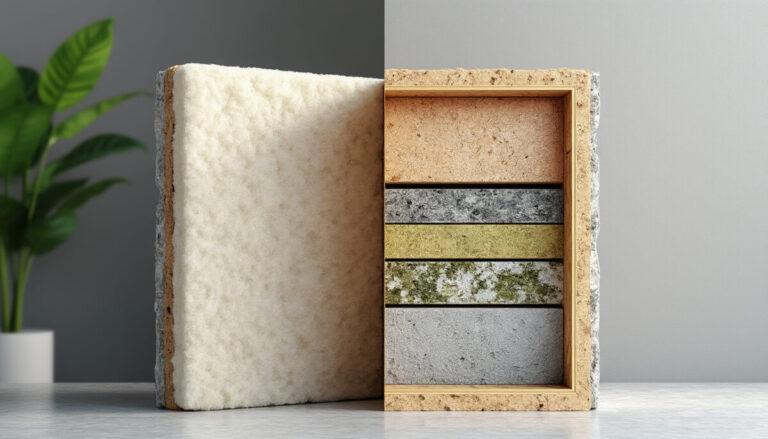
- Opt for insulating materials compatible with an old wall, such as wood fiber or hemp.
- Never block the natural ventilation of the house without installing a suitable mechanical ventilation system.
- Treats thermal bridges at wall-roof, window and floor junctions.
- Hire a RGE certified professional to ensure the correct procedures are followed and to benefit from financial assistance.
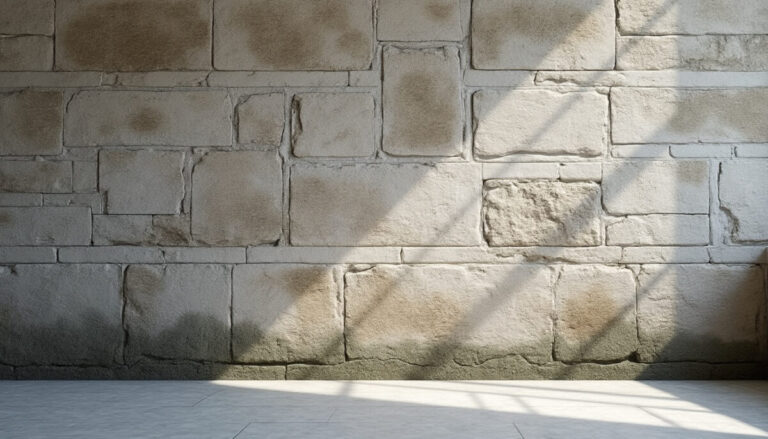
Attempting to insulate an old house without proper preparation often creates more problems than it solves. For example, consult… this specialized article To understand common pitfalls, if your house is located in a humid environment, never neglect moisture management to prevent mold. For stone walls, opt for breathable insulation to avoid water accumulation and material degradation. For more eco-friendly tips, also check out How to choose your insulation based on the type of old wall.
Why poorly managed humidity ruins the insulation of an old house
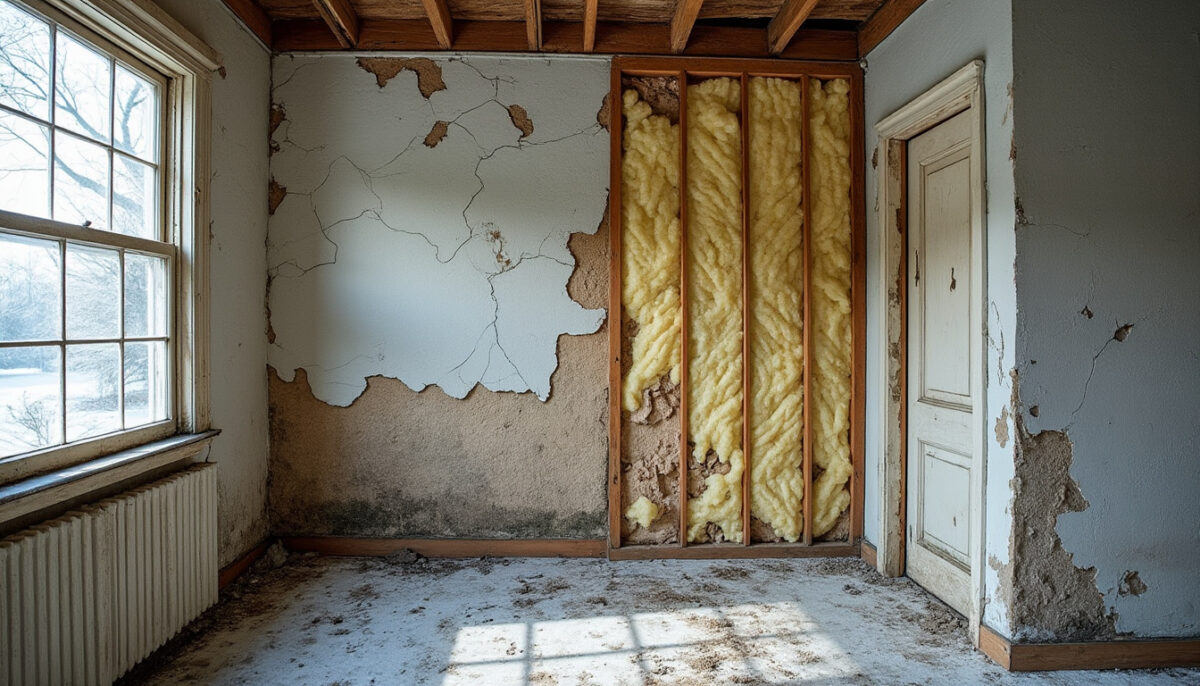
One of the most serious mistakes is failing to consider the vital role of moisture management. In older houses with stone, wood, or lime walls, the walls must be able to breathe. The use of modern, impermeable materials traps moisture inside, causing condensation, efflorescence, and wall deterioration. Homeowners often believe that increased insulation will be enough to improve heating, but in reality, the trapped moisture makes the walls colder and damages their structure.
A building contractor told me about a client who had insulated his walls with polystyrene: a year later, mold scum made the apartment uninhabitable. This poor choice forced him to redo everything with natural, breathable insulation. This anecdote perfectly illustrates why it’s essential to consider the building’s structure before taking any action.
Humidity management: a priority for thermal performance
According to experts, older homes maintain good thermal comfort when they remain permeable to water vapor. Inappropriate materials create thermal bridges and promote condensation. The solution is to use breathable insulation combined with effective ventilation, such as a single-flow or double-flow mechanical ventilation system adapted to the building.
Inappropriate materials: choosing without understanding kills the effectiveness of insulation
Popular synthetic insulation materials, such as polystyrene or polyurethane, block moisture exchange and damage older buildings. To insulate your old house effectively and sustainably, you should opt for natural or bio-based materials with low thermal conductivity and good humidity regulation capabilities.
Here is a simple comparative table of suitable and unsuitable materials:
| Materials | Suitable for old buildings | Moisture resistance | Thermal performance |
|---|---|---|---|
| Wood fiber | Yes | Good | Good |
| Hemp | Yes | Very good | Good |
| Cellulose wadding | Yes | Good | Good |
| Polystyrene | No | Bad | Excellent on paper |
| Polyurethane | No | Bad | Excellent on paper |
In some situations, greater thicknesses of natural materials are required to ensure performance, but they also guarantee better durability. This choice also reduces the risk of problems related to condensation.
Address thermal bridges to prevent energy loss
Thermal bridges are areas where heat escapes more easily. In an older house, they are often found at the junctions between walls, floors, roofs, and openings. Failing to address them leads to ineffective insulation despite a significant investment.
Here are some concrete actions to reduce these losses:
- Install continuous insulation, for example by means of exterior insulation if possible.
- Carefully seal and insulate around windows, doors and shutters.
- Treat complex joints with compatible flexible materials.
- Install suitable insulation for conduits and network passages.
- Choose finishes that respect the nature of the building.
If exterior renovation is not feasible, targeted and well-planned solutions must be implemented internally, taking into account the loss of thermal inertia. Each case must be carefully analyzed to avoid creating imbalances.
Why hire a professional for successful insulation?
Attempting to insulate an old house yourself is a common mistake. The risk is applying the materials incorrectly, failing to respect the building’s specific characteristics, and causing costly problems in the long run. A RGE-certified professional can not only guarantee proper installation but also guide you through the available financial assistance programs.
By 2026, this expertise will become even more crucial given the increasing complexity of standards and expectations regarding energy efficiency. An experienced professional will help you choose the right combination of materials and balance ventilation with airtightness.
3-step procedure for sustainable insulation
- Step 1: Have a thermal diagnosis and a site survey carried out by an expert.
- Step 2: Select materials adapted to the building’s constraints with personalized advice.
- Step 3: Entrust the work to a certified professional, ensuring overall ventilation management.
“The quality of insulation is judged over time and the long-term health of the house.” An old building is a living thing; it requires respect and expertise to avoid mistakes that ruin decades of heritage.
What materials are best suited for insulating an old house?
Natural materials such as wood fiber, hemp, cellulose wadding or animal wool are often recommended because they allow the wall to breathe while ensuring good thermal insulation.
Why is it important to manage humidity in an old house?
Old walls are designed to absorb and release moisture naturally. Improperly managing this moisture by using airtight insulation leads to condensation, mold, and structural deterioration.
Is it safe to insulate from the inside?
Yes, but you have to think carefully about the impact on the thermal inertia of the walls and make sure to install suitable ventilation to avoid condensation and loss of comfort.
How to identify and address thermal bridges?
Thermal bridges are located at the junctions between walls, floors, windows, and roofs. They must be addressed with continuous or targeted insulation to reduce heat loss.
Should you hire a professional to insulate an old house?
Yes, a RGE-certified professional guarantees a suitable implementation and also allows you to benefit from financial aid. They assess the building’s specific characteristics to avoid mistakes that could ruin the renovation.
Thank you for your interest; Claude