Energy: This winter habit is driving up your bill
Hi, Claude here. Turning the thermostat all the way up to heat your home faster is a winter habit that can drive up your energy bill. The room won’t warm up any faster: the heating system is simply aiming for a higher temperature and using more energy to reach it. A few simple adjustments are often all it takes to feel comfortable without overheating your home.
What to do right away
- Set an appropriate temperature: around 19 °C in living areas when they’re occupied.
- Turn the heating down at night or when you’re away for several hours, rather than always switching it off completely.
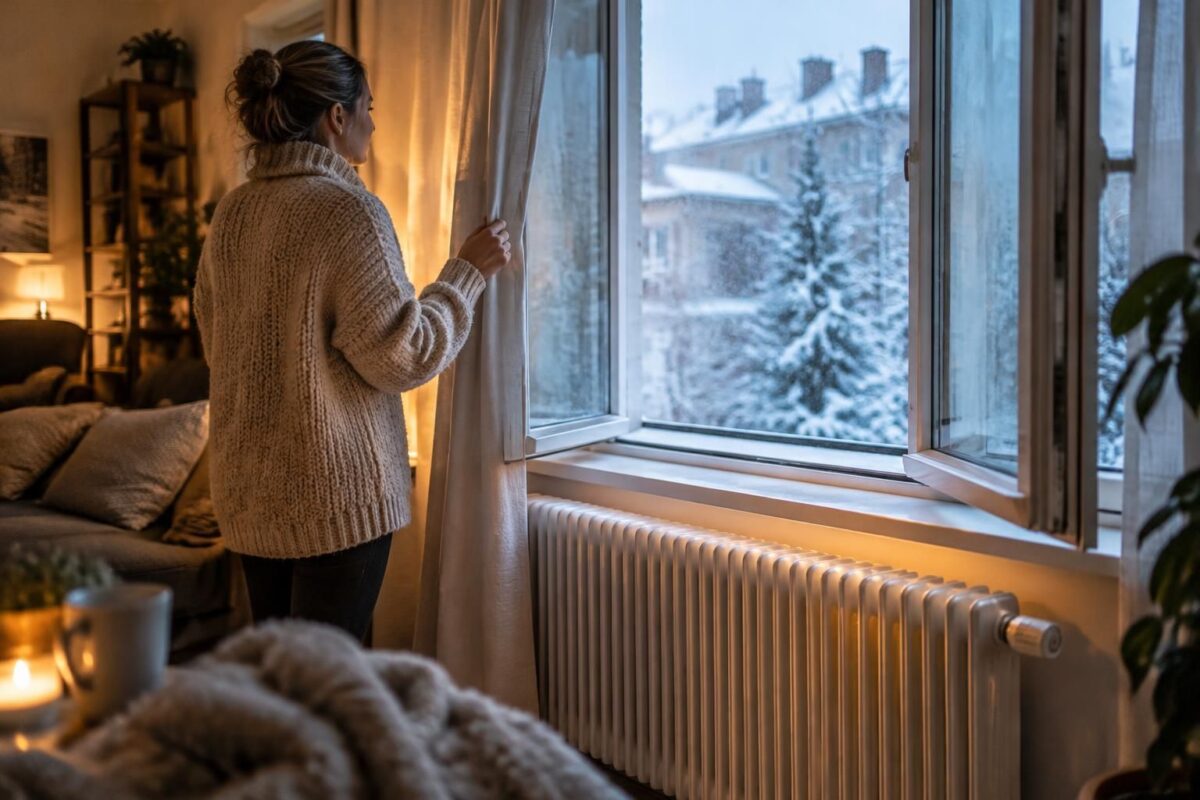
- Close the shutters and curtains as soon as it gets dark, without covering the radiators.
- Air out the room briefly: open the windows wide for a few minutes, then close them again.
- Look for drafts around windows and doors to identify where insulation may be needed.
If your heating seems to be running without making you as comfortable as you’d expect, find out why your heating may be undoing your efforts to save and how to turn down the temperature without neglecting other helpful steps.
Why turning up the thermostat drives up your energy bill
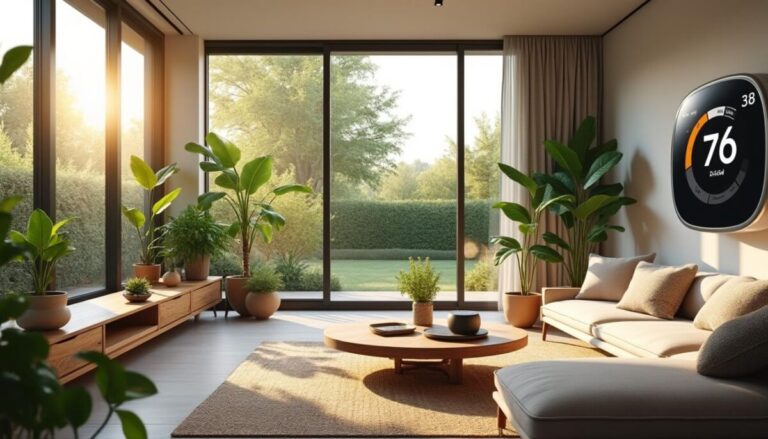
The thermostat doesn’t make the radiator heat up faster. It sets the temperature to reach: going from 19 to 24 °C therefore won’t warm up the room any faster, but it will keep the heating running longer until it reaches the higher setting.
The greater the difference between the indoor temperature and the temperature outside, the more heat your home loses. Depending on your home and the conditions, lowering the thermostat setting by one degree can save several percent on heating energy.
A common mistake during winter
After a cold day, you might come home and turn the setting all the way up, thinking the living room will heat up faster. The room ends up getting warmer than you wanted, and then you have to open a window or turn down the thermostat: heat and money are wasted.
A well-set thermostat helps you manage the electricity used by electric radiators and the energy consumed by other heating systems. Energy prices vary, but avoiding overheating is a useful habit whatever your bill looks like.
Comfortable temperatures: the right setting for each room
The right setting depends on how the room is used, how well it’s insulated, and whether anyone is there. As a guide, aim for around 19 °C in occupied living areas and a cooler temperature in the bedroom at night, often around 17 °C.
| Situation | Suggested setting | Practical tip |
|---|---|---|
| Occupied living room | About 19 °C | Put on a warm layer before turning up the thermostat. |
| Bedroom at night | About 17 °C | Use a duvet suited to the season. |
| Away for a few hours | Turn it down by a few degrees | Schedule the heating to come back on before you return. |
| Room rarely used | Reduced temperature, but not too low | Maintain adequate ventilation and keep an eye on humidity. |
These are guidelines, not requirements: someone who is vulnerable, a young child, or a damp home may need a different setting. The right setting is one that keeps you comfortable without heating more than necessary.
Three steps to turn down the heating without losing comfort
Rather than changing all your habits at once, try keeping the same setting for a few days. You’ll find it easier to see what works in your home and where heat is being lost.
- Choose a reasonable setting. Set the thermostat according to the room and whether it’s occupied, then avoid turning it all the way up when you get home.
- Schedule heating times. Lower the temperature at night or when you’re away for an extended period, and turn the heating back on before you return if your system allows it.
- Track down heat loss. Check the seals, close the shutters in the evening, and seek advice tailored to your situation if a room stays cold despite a normal setting.
If the heating seems to be constantly compensating for cold walls or drafts, the thermostat may not be the only cause. Poor insulation can increase heating needs: it’s better to address the cause than turn the temperature up even further.
Helpful questions about thermostats in winter
Will my home heat up faster if I turn the thermostat all the way up?
No. The thermostat sets a target temperature; the maximum setting generally won’t heat the room faster, but it may cause the temperature to get too high.
Should I turn the heating off completely when I go out?
For a short absence, turning it down by a few degrees is often more appropriate. For a longer absence, use a reduced or frost-protection setting depending on the duration, your home, and the appliance’s recommendations.
What temperature should I set in the living room in winter?
Around 19 °C is a common guideline when the room is occupied. Adjust it based on your comfort, the occupants’ health, and the characteristics of your home.
Why is my bill still high even though the thermostat is set moderately?
Heat loss due to poor insulation, incorrect scheduling, or a system that isn’t set up properly can keep energy use high. Check for drafts and make sure the system is working properly.
I hope you found these tips helpful. See you soon! — Claude