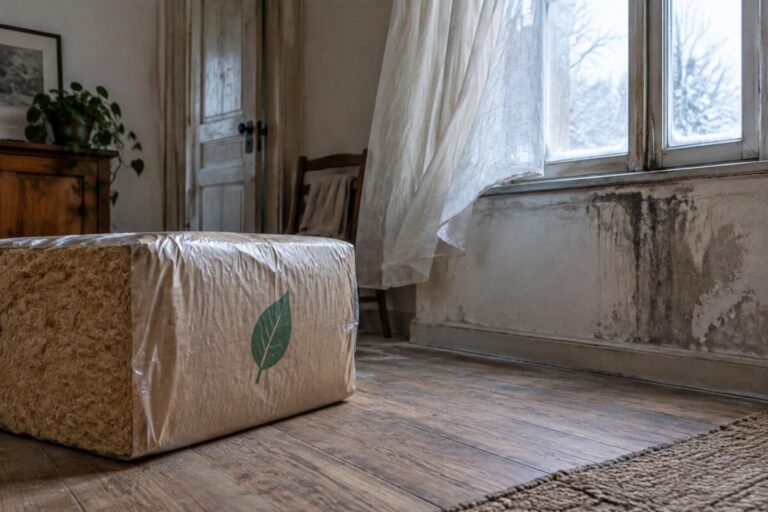

Materials: carpets, curtains, seals—what really makes a difference?
Hello, this is Claude.
Weatherstripping reduces drafts, while rugs and curtains mainly improve perceived comfort, sound insulation, and heat retention near surfaces.
These materials don’t all work in the same way: some limit air leaks, while others make a room more comfortable without replacing effective thermal insulation. To choose wisely, start by identifying the specific problem in your home.
Things to do right away
- Look for drafts around windows and doors on windy days.
- Check the condition of the seals: if they’re peeling, compressed, or cracked, they may let air through.
- Put down a rug on a cold floor to make it more comfortable underfoot.
- Close the curtains in the evening to reduce the feeling of cold near the windows.
- Maintain adequate ventilation: a better-sealed home still needs to replace its air.
To learn more, find out why a closed window can still let heat escape and explore ways to improve both sound and thermal insulation.
Rugs, curtains, and seals: different effects
Imagine a room where the floor stays cold, street noise comes through the window, and a trickle of air comes in near the frame. Each material addresses a different discomfort: a rug mainly affects how the floor feels, curtains help with the window, and seals address air leaks.
Their effect also depends on how they’re installed and on the condition of the home. A thick curtain won’t fix an air leak, and a new seal won’t improve the performance of a poorly insulated wall. The right choice starts with the right diagnosis.
| Material | Main effect | Limitation to know |
|---|---|---|
| Rug | Floor comfort and moderate sound absorption | Doesn’t replace floor insulation |
| Thick curtains | Reduced feeling of cold from the surface and heat retention near the window | Don’t eliminate air leaks or heat loss through the glazing |
| Weatherstripping | Reduced drafts around opening windows and doors | Doesn’t fix poor thermal insulation in the walls |
A rug mainly improves indoor comfort
On a cold tiled floor, a thick rug makes walking more pleasant and can soften some impact noise. Its effect on the overall temperature of the room is limited: it doesn’t stop heat from escaping through a poorly insulated floor.
For a living space, choose durable, easy-to-clean fibers. A well-sized rug under a table or in front of a sofa often adds more comfort than a model that covers the entire floor.
Curtains ease the feeling of cold near windows
A thick curtain hung close to the window and closed at night creates a layer of air that can reduce the feeling of radiant cold. It also helps absorb sound, especially if it’s heavy and covers a large part of the wall.
However, make sure it doesn’t cover a radiator: this can interfere with heat circulating around the room. Open it during the day to enjoy the light and solar heat.
Weatherstripping targets air infiltration
A suitable seal around a window or door can significantly reduce drafts when there’s a gap between the opening part and its frame. It’s often a simple fix, but it doesn’t replace addressing inefficient glazing or a cold wall.
Before buying, check the size of the gap and the type of opening. A seal that’s too thick can prevent the window from closing properly; a poorly installed seal may come loose quickly.
Choosing materials: a real-life example
In her apartment, Lina felt cold near the large window and could hear footsteps from the floor above. She started by replacing a damaged seal, then added a thick curtain and a rug in the walkway.
The results varied: the draft decreased after the seal was installed, the curtain made the area by the window more comfortable in the evening, and the rug softened the sound of footsteps. Combining several solutions can improve comfort without attributing performance to them that they don’t have.
A simple three-step method
- Pinpoint the discomfort. Note whether the problem is caused by a draft, a cold floor, noise, or discomfort near a window.
- Choose the right material. Use seals for leaks, curtains for windows, and rugs for floor comfort and impact noise.
- Check the results. After a few days, check that windows and doors close properly, see whether the drafts have changed, and assess how comfortable the space feels; then make adjustments if needed.
If the discomfort persists throughout the room, also examine the insulation of the building envelope and the ventilation. Small improvements are useful, but they work best when they complement a coherent strategy.
Frequently asked questions about rugs, curtains, and seals
Can a rug replace floor insulation?
No. It improves comfort underfoot and can reduce some noise, but it doesn’t replace thermal insulation for the floor.
Do thick curtains prevent heat loss?
They can reduce the feeling of cold near a window and create a layer of air, but they don’t fix inefficient glazing or air leaks.
When should weatherstripping be replaced?
Replace it if it’s cracked, peeling, compressed, or if a draft persists around the window or door. Make sure the new seal allows it to close properly.
Where should I start to improve indoor comfort?
Start by identifying the source of the discomfort. First address air leaks with suitable seals, then add a rug or curtains as needed.
I hope you found these tips helpful. See you soon! — Claude