Insulation: poorly insulated house—should you heat it less?
Hello, it’s Claude.
No: in a poorly insulated home, it’s better to heat it in a controlled way than to turn the heating way down.
Lowering the temperature without addressing heat loss can make your home uncomfortable and encourage damp. A few adjustments can help right away, but thermal insulation is the lasting solution.
Things to do right away
- Set living areas to around 19 °C and adjust bedroom temperatures to suit your needs.
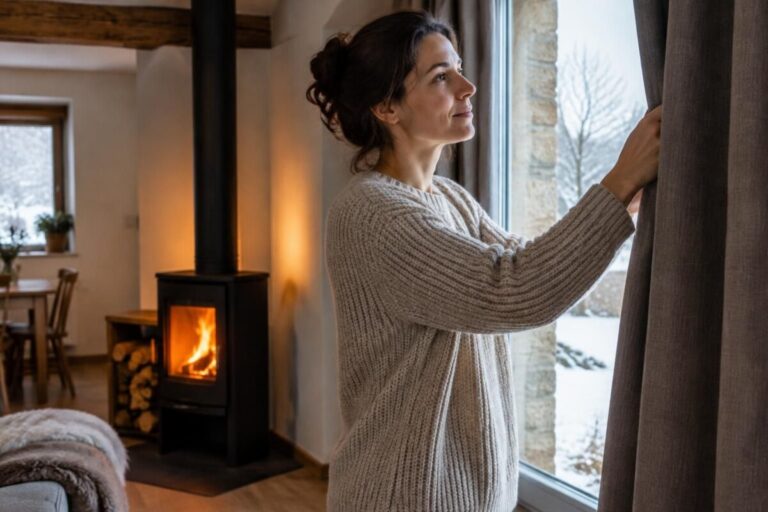
- Close the shutters and heavy curtains as soon as night falls.
- Fit weatherstripping around windows and draft excluders under doors where you feel a draft.
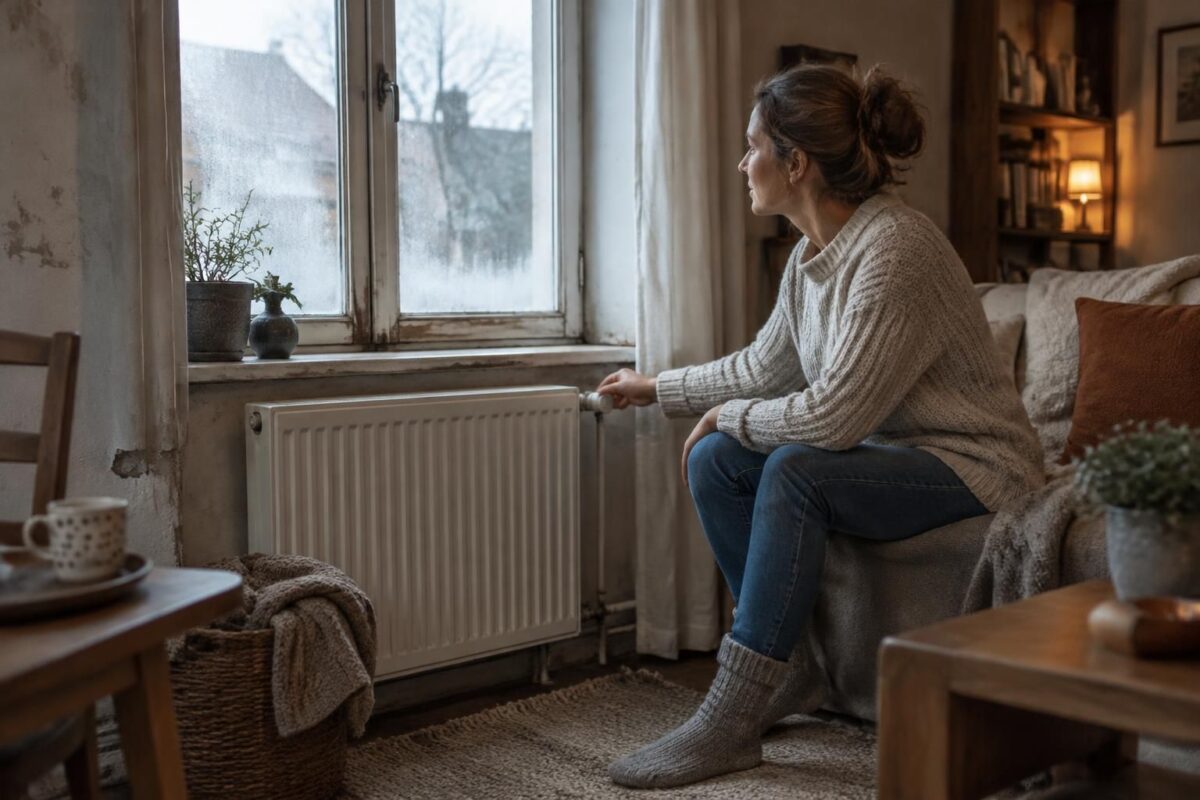
- Close the doors to rooms that are not heated much and avoid covering radiators.
- Air out your home briefly each day to remove moisture, without leaving the windows ajar for long periods.
To identify heat loss more effectively and decide what to tackle first, you can read this guide on a home that stays cold despite the heating and these tips to understand the link between insulation and heating.
Poorly insulated home: why turning down the heating isn’t enough
When walls, the roof, or windows let in the cold, the heating system compensates without addressing the cause. Heat loss can therefore keep energy use high, even when the thermostat is set to a reasonable temperature.
In homes with little insulation, heat loss is often significant through the attic and walls. The proportion varies by building, but the roof can account for around 25 to 30% of heat loss, and walls around 20 to 25%. Thermal comfort therefore depends just as much on the building envelope as on the heating system’s output.
Turning the temperature down sharply is not a lasting strategy. An overly cold indoor environment, especially if it is damp, can be uncomfortable and create conditions conducive to mold. The ideal winter temperature depends on the occupants and the rooms; around 19 °C in living areas is a common guideline, which you can adjust to suit your situation.
If your home is cold, distinguish between settings and heat loss
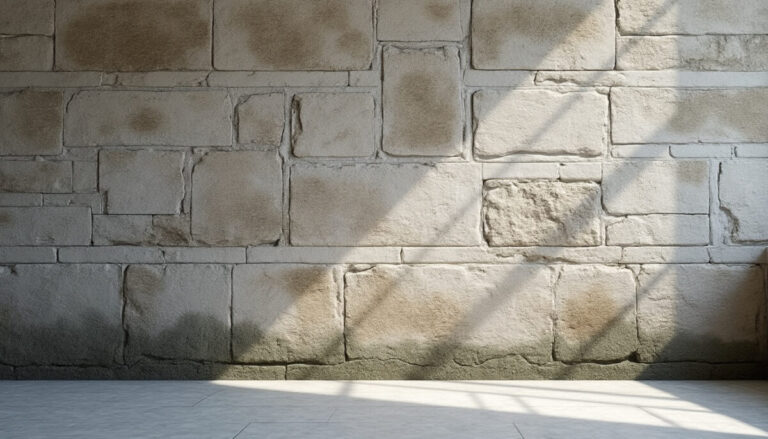
If a room cools down quickly after the radiator is turned off, first check for drafts and inspect the windows. If the walls feel cold to the touch or condensation keeps coming back, the problem is probably more than a simple thermostat adjustment.
For example, in a bedroom with an old window, closing the shutters in the evening and fitting weatherstripping can reduce drafts. But if the exterior wall remains very cold, these steps won’t replace proper wall insulation.
So an economical heating system is about more than choosing an appliance. A well-controlled radiator can improve how you use energy, but no system can effectively compensate for significant heat loss in the long term.
Immediate steps to improve thermal comfort
Start with simple, reversible measures. They won’t transform a poorly insulated home, but they can reduce waste and make rooms more comfortable.
- Deal with drafts: fit suitable weatherstripping around windows and exterior doors.
- Keep the heat in at night: close the shutters and draw the heavy curtains, then open them during the day when the sun warms the rooms.
- Reduce the feeling of a cold floor: put a rug in high-traffic areas or over a poorly insulated floor.
- Set the heating to suit how you use each room: heat occupied rooms and program moderate temperature reductions when you’re away.
- Ventilate without letting the home stay cold: open the windows wide for a few minutes, then close them.
Avoid blocking ventilation grilles to keep the heat in. Even a better-sealed home still needs fresh air: ventilation helps limit damp and keep your home healthy.
Which energy-efficiency upgrades should you prioritize?
When small steps are no longer enough, energy-efficiency upgrades address the underlying causes. In many homes, insulating the attic is a worthwhile priority because heat escapes easily through the roof. Next come the walls, windows and doors, and, depending on the building, ground floors.
However, the right order depends on the home’s actual condition. An assessment or energy audit can help you prioritize the work and avoid replacing the heating system before reducing your home’s energy needs. Also, check what assistance is available and its requirements before signing a quote.
| Area to check | Why take action | First step |
|---|---|---|
| Attic and roof | Heat loss through the roof can be significant. | Check whether insulation is present and assess its condition. |
| Exterior walls | Cold walls reduce comfort and increase energy needs. | Have the wall insulation assessed. |
| Windows and doors | Gaps and poor seals create drafts. | Check the weatherstripping before replacing the windows or doors. |
| Ventilation | Damp, stale air harms the quality of your home. | Check that air inlets and outlets are working. |
A simple three-step approach
- Observe: identify cold rooms, drafts, condensation, and areas of particularly cold walls.
- Take action now: set the heating to suit how you use each room, improve the seals around windows and doors, and maintain proper ventilation.
- Plan: have the work assessed, start with the areas that lose the most heat, and compare available assistance before choosing equipment.
This approach helps you reduce heating energy use without sacrificing comfort, while preparing to make lasting improvements to your home.
Frequently asked questions about heating a poorly insulated home
Should you turn down the heating in a poorly insulated home?
Not by much. It is better to aim for a temperature suited to the rooms and occupants, then program moderate reductions when you are away or at night. A temperature that is too low can affect comfort and worsen damp problems.
What temperature should you aim for in living areas in winter?
Around 19 °C is a common guideline for living areas. Adjust this setting according to your activity, how sensitive you are to the cold, and your home’s characteristics.
Which upgrades should you prioritize to reduce heat loss?
The attic is often a priority, followed by the walls and windows and doors, depending on their condition. An assessment can help determine the right order for your home.
Can you improve comfort without major work?
Yes. Weatherstripping, heavy curtains, closed shutters at night, and suitable heating schedules can reduce some heat loss. These steps complement insulation, but do not replace it.
I hope you found these tips helpful. See you soon! — Claude