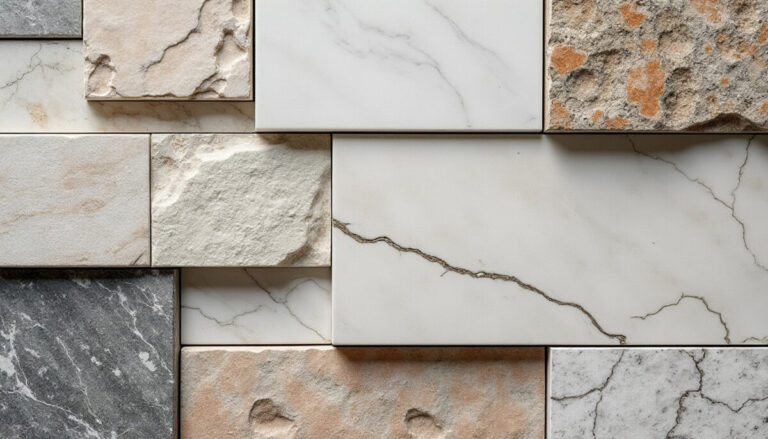

Materials: this cold floor is ruining all your comfort
Hi there, it’s Claude.
To stop putting up with a cold floor, improve the thermal insulation beneath the flooring or add a suitable insulating layer.
An uncomfortable floor isn’t always caused by insufficient heating: the materials and heat loss through the floor also matter. A few well-chosen measures can change how it feels underfoot without requiring major work.
Things to do right away
- Lay a thick rug in the areas where you spend a lot of time, such as by the sofa or desk.
- Check for drafts at the bottom of doors and around the baseboards.
- Identify the flooring material: tile and stone often feel colder than wood.
- Keep the temperature steady rather than turning the heat up high in bursts.
- Before starting any work, ask for advice on an insulating underlay that’s compatible with your floor.
If an entire room feels cold, these tips for a cold room despite eco-friendly habits may help you identify other sources of heat loss; to understand the role of walls, also see this article on the link between insulation and dependence on heating.
Why some floors feel freezing cold
Tile and stone conduct heat quickly. When you step on them, they draw heat from your skin faster than hardwood or carpet does, even if the room is at the same temperature.
The sensation may also point to poor insulation beneath the floor. A cold concrete slab can then make the surface uncomfortable and sometimes lead you to turn up the heat without addressing the cause.
The material isn’t everything
Flooring affects comfort, as do the thickness and quality of the underlay. Cork, for example, can help reduce the feeling of cold when installed as part of a system suited to the subfloor.
A rug is a quick, reversible solution. It improves comfort in one area, but it won’t replace inadequate thermal insulation beneath the entire room.
Which flooring should you choose for a cold floor?
The best choice depends on the subfloor, moisture levels, your budget, and whether you have underfloor heating. To avoid an unpleasant surprise, compare the options before you buy:
| Solution | Effect on comfort | What to check |
|---|---|---|
| Hardwood flooring with underlay | Surface often feels more comfortable underfoot | Compatibility with the subfloor and moisture levels |
| Carpet | Immediate comfort and a softer feel | Maintenance and how the room is used |
| Cork | Naturally insulating and flexible material | Suitable thickness and installation |
| Thick rug | Localized improvement without major work | Secure it to prevent slipping |
| Underfloor heating | Heat distributed across a large area | More extensive renovation and compatible flooring |
In a living room with tile flooring, a rug in front of the sofa can already make evenings more comfortable. If the whole room still feels cold despite this, the problem calls for a more thorough assessment than simply replacing the flooring.
Avoid the trap of turning up the heat
Turning up the temperature may mask the discomfort, but it won’t stop heat escaping through the floor. The result: higher energy use and sometimes still-cold feet, especially if the surface remains highly conductive.
Before installing hardwood flooring or carpet, also check the available height, the condition of the subfloor, and the manufacturer’s recommendations. The wrong underlay can make installation difficult or reduce the effectiveness of underfloor heating.
A simple three-step process
- Find where the cold is coming from. Compare several areas, especially near exterior walls and in the center of the room, and note whether the floor stays cold all day.
- Try a reversible improvement. Put a rug in the living area and reduce drafts. See how comfortable it feels over the next few days.
- Choose a lasting solution. If the cold persists, have the floor checked and choose flooring with a suitable underlay, taking underfloor heating into account if you have it.
Practical questions about cold floors
Is a rug enough to insulate a cold floor?
A rug makes the area where it is placed more comfortable, but it doesn’t replace floor insulation. It’s a good first step, especially in areas where you spend a lot of time.
Is hardwood flooring always warmer than tile?
It generally feels less cold to the touch because it conducts heat more slowly. Comfort also depends on the subfloor, the underlay, and the room temperature.
Can carpet be installed over underfloor heating?
It depends on the system and the carpet’s specifications. Check the compatibility information provided by the manufacturers, as flooring that is too insulating can slow the transfer of heat.
Is cork a good option for a cold floor?
Cork can feel more comfortable and help with insulation. However, you need to choose a thickness and installation method that are compatible with the subfloor.
Thanks for reading! If this topic resonates with you, share your experience in the comments. — Claude