Energy independence: how to stay warm without using too much energy
Hello, Claude here. To stay warm without using too much energy, start by limiting heat loss, setting the thermostat to the right level, and dressing appropriately. A few simple steps can quickly improve thermal comfort without turning the heating up full blast. The goal: keep heat where you need it and reduce energy demand.
Good habits to adopt
- Track down drafts with window seals and a door draft stopper.
- Open the shutters when it’s sunny, then close them as soon as the light fades.
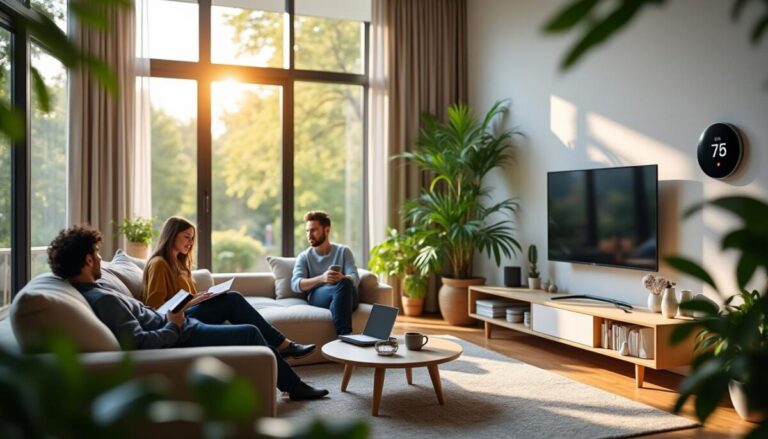
- Set the thermostat to around 19 °C in living areas and turn it down in unoccupied rooms.
- Clear and dust the radiators to let heat circulate.
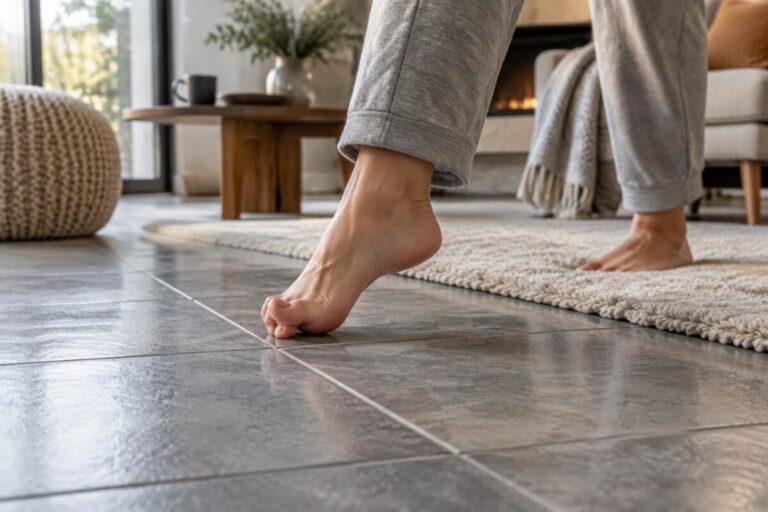
- Put on warm clothes and lay a rug on cold floors.
To learn more, explore these guides on heating to 19 degrees and reducing energy demand.
The pitfall to avoid: turning up the heat instead of keeping the warmth in
When a room feels cold, turning up the heat seems like the quickest solution. However, if air is seeping in under the door or the windows aren’t properly sealed, some of that heat escapes straight away.
Start by checking the seals around the windows and doors. Door draft stoppers, thick curtains, or insulating film for single-glazed windows can improve airtightness at a low cost; rugs also help reduce the sensation of cold underfoot.
A setting suited to each room
In living areas, a setting close to 19 °C is suitable for many households. Bedrooms can often be kept at around 16 to 17 °C, while the bathroom can be heated more when it is in use.
A programmable thermostat helps lower the temperature when you’re away and at night. Turning it down by 1 °C can represent around 7% in heating savings, depending on the home and habits: this is a rule of thumb, not a guarantee that applies equally to everyone.
Healthy air and more evenly distributed heat
Air out your home briefly, for around 5 to 10 minutes, to refresh the air without letting the walls and furniture cool down for long. This habit also helps limit humidity, which often makes a room harder to heat and encourages mold growth.
If you have water-filled radiators, bleeding them may help if they aren’t heating properly or are heating unevenly. Keep them clear and clean: furniture placed directly in front of them prevents heat from spreading.
Which step should you prioritize in each situation?
| Situation | Helpful step | Why it helps |
|---|---|---|
| Draft near the door | Install a door draft stopper | Reduces cold air entering at floor level. |
| Cold window or single glazing | Close the curtains in the evening and apply suitable insulating film | Reduces the feeling of a cold surface and heat loss. |
| Room that is rarely used | Turn down the thermostat and close the door | Avoids heating the whole home unnecessarily. |
| Cold tiled floor | Add a rug | Makes the floor feel more comfortable underfoot. |
| Radiator that isn’t heating properly | Dust it and check that it is working properly | Helps distribute heat more evenly. |
Better insulation for lasting energy independence
Small steps make a difference day to day, but they can’t make up for inadequate insulation. If a lot of heat is escaping through the attic or walls, an assessment can help you choose which improvements to prioritize, instead of adding more equipment.
For lasting improvements, compare options based on the building, your budget, and available incentives. Insulating the attic, for example, can reduce heat loss through the roof; cellulose fiber is a recycled-material option that should be installed under suitable conditions.
Energy conservation doesn’t mean living in the cold: it means reducing your needs before producing more energy. Renewable energy can then complement a better-insulated home, but energy independence is built gradually, through coherent choices and efficient heating.
Use space heaters only as a backup
A space heater can warm an occupied room for a short time, but it shouldn’t become a way to compensate for ongoing drafts. Follow the manufacturer’s instructions, never cover the appliance, and don’t use a combustion heater without proper ventilation.
Also avoid leaving a portable heater running unattended or while you’re asleep. The most comfortable solution is to reduce heat loss and warm the spaces you use, rather than trying to get instant warmth everywhere.
Three steps to improve comfort without using too much energy
- Identify heat loss: run your hand near windows and doors, note which rooms are cold, and check that radiators aren’t blocked.
- Adjust your habits: set the thermostat, close the doors to rooms you rarely use, make the most of the sun during the day, and air out your home briefly.
- Plan improvements: address accessible drafts, then look into insulation if your home is still difficult to heat.
Practical questions about staying warm
Should you set the heating to 19 °C everywhere?
No. A setting close to 19 °C is a guideline for living areas. Bedrooms can often be kept cooler, while the bathroom can be heated more when it is in use.
Is it useful to turn down the heating during the day?
Yes, if the home is unoccupied. A moderate reduction controlled by a thermostat avoids unnecessarily maintaining the maximum temperature. Adjust the setting to your insulation and how long you’ll be away.
Does airing out the home make it too cold?
A short airing, for around 5 to 10 minutes, refreshes the air without letting the walls cool down for long. Avoid leaving the windows ajar for long periods in winter.
Can rugs replace insulation?
No. They make floors more comfortable and reduce the feeling of cold, but they don’t replace insulation in the walls, windows, or attic.
I hope you’ve found these tips helpful. See you soon! — Claude