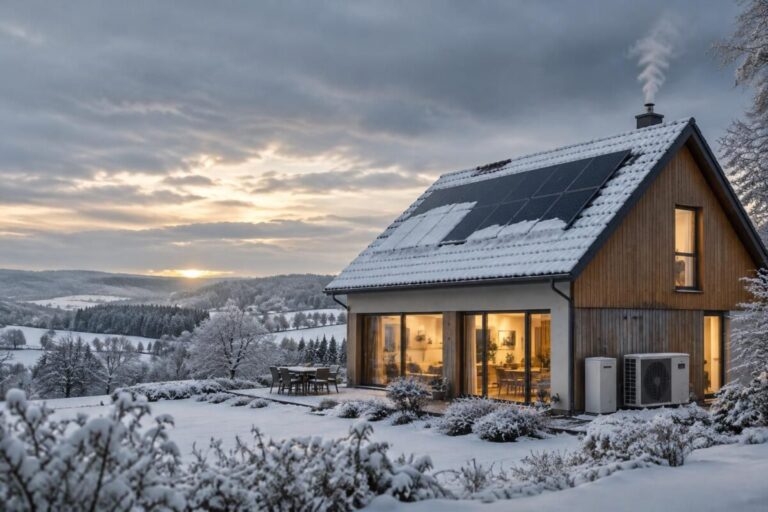
Energy independence: heating without gas, a good idea or a hassle?
Hello, Claude here. Heating without gas is a good idea if the system you choose suits your home, your budget, and your needs in winter. The real challenge isn’t just replacing a boiler: it’s maintaining good thermal comfort without relying on a single energy source. Insulation, local climate, and lifestyle make all the difference.
Heating without gas: five steps to prepare your project
- Identify heat loss around windows, doors, and in the attic.
- Note your needs room by room and when you use the heating most.
- Compare the total cost of installation, maintenance, and energy.
- Check local restrictions before choosing a wood- or pellet-burning appliance.
- Plan for a backup solution if your main system depends on electricity.
To assess work on an older home, consult this guide on renovating for self-sufficiency without relying on heating, and also identify where heat is escaping. These two checks can help you avoid choosing an oversized system to compensate for leaks that are easy to fix.
Wood stove, heat pump, or solar: comparing the options
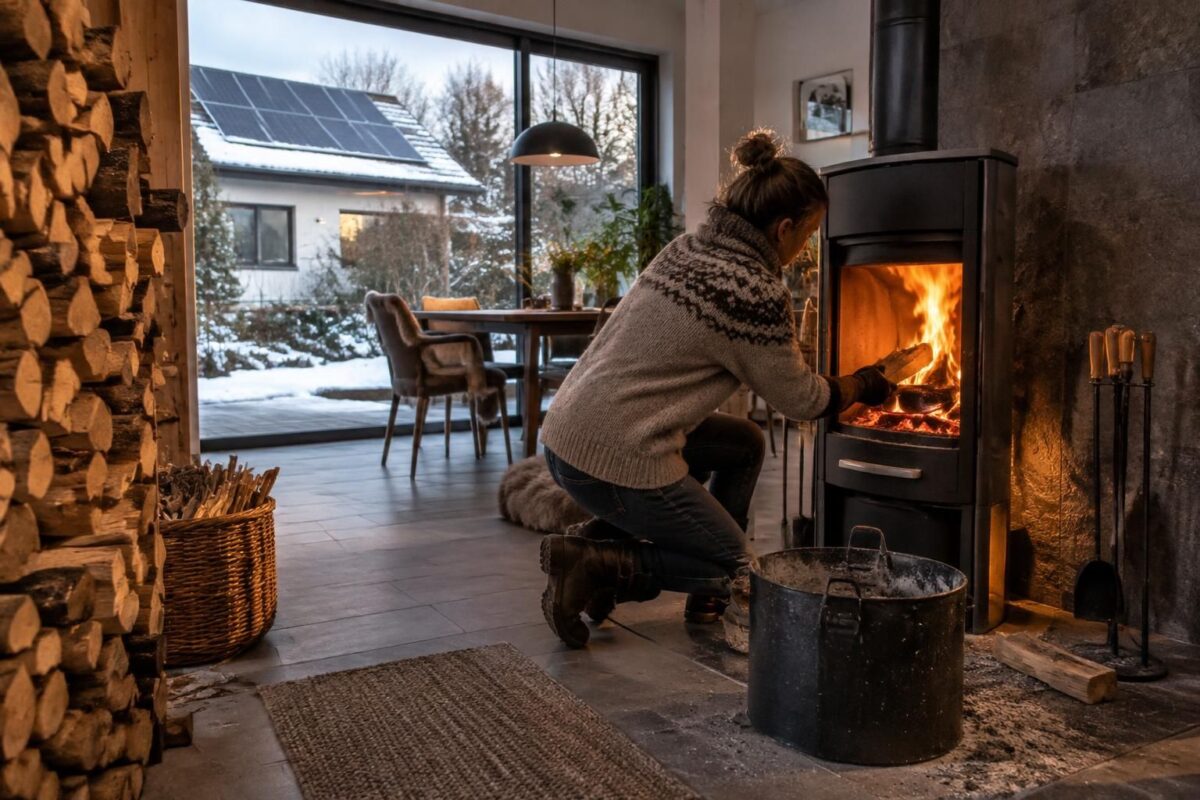
An independent heating system can reduce reliance on gas, but no system is completely independent of its energy supply. A wood stove requires fuel stored in a dry place, while a heat pump needs electricity and must be properly sized.
Solar heating can cover some of your needs, especially when used alongside another appliance. For a household like Lina’s, who lives in a medium-sized home, combining improved insulation with a well-positioned stove may be more realistic than relying on a single system to do everything.
| Solution | Main advantage | What to plan for |
|---|---|---|
| Wood stove | Direct heat and fuel that can be stored | Fuel supply, chimney sweeping, and heat distribution |
| Pellet stove | Often more precise temperature control | Electricity, maintenance, and storage space |
| Heat pump | Efficient heating in a suitable home | Investment, electricity, and carefully planned installation |
| Solar heating | Renewable energy to supplement the system | Output varies depending on the season and sunlight |
Heating costs depend on the price of the appliance, energy, maintenance, and the home’s actual needs. Before making a decision, compare scenarios using this guide to choosing between a stove, a heat pump, and gas: the system with the lowest upfront cost isn’t always the most economical in the long run.
The pitfall to avoid: relying on a single energy source
The trap is thinking that a gas-free heating appliance alone guarantees energy independence. In practice, a pellet stove can stop working during a power outage, and a heat pump won’t work without electricity.
Energy storage can make an electrical system more resilient, but it requires additional investment and is no substitute for good insulation. To avoid nasty surprises, first reduce your needs: a home that retains heat better requires less fuel and lets you choose a more modest appliance.
A simple three-step approach
- Reduce heat loss. Prioritize the attic, air leaks, and the windows in the poorest condition.
- Choose a suitable primary heating system. Have a professional check the required output, taking the floor area and climate into account.
- Plan a practical backup. This could be a small supplemental heater, a reserve of fuel, or simple measures to keep the heat in.
This approach helps maintain thermal comfort without adding lots of equipment. It also helps distinguish a well-planned independence project from a costly installation that still depends on a single network.
A few points to consider before deciding
If you already have a radiator system and a well-insulated home, a heat pump may be worth looking into. If you have storage space and wood is available locally, a wood stove can serve as your primary or supplemental heating source.
If your budget is tight, start with adjustments and improvements that reduce your needs. Lowering the thermostat slightly, closing the shutters at night, and heating only the rooms you use can make a difference without condemning you to live in the cold.
Can you be completely self-sufficient for heating without gas?
It is possible in some well-equipped projects, but complete self-sufficiency requires managing energy, fuel, storage, and periods of low production. For most homes, a supplementary solution and good insulation are more realistic.
Is a wood stove enough to heat an entire house?
It depends on the floor area, the layout of the rooms, and the insulation. In a house with many separate rooms or multiple floors, heat may be distributed unevenly: appropriate sizing is essential.
Does a heat pump work without electricity?
No. It uses electricity to operate. If you want to prepare for a power outage, consider a compatible backup solution and how to keep the home warm.
What is the first step to reducing heating costs?
Identify the main sources of heat loss and improve the insulation before replacing the equipment. Reducing your needs often lets you choose a less powerful system and limit running costs.
I hope you found these tips helpful. See you soon! — Claude