
Insulation: 1900s house, which method avoids mistakes?
Hello, this is Claude. To effectively insulate a 1900s house without making mistakes, the best method combines a rigorous thermal assessment, the use of breathable natural materials, and careful treatment of thermal bridges. These steps preserve the original charm while improving the thermal comfort and airtightness of the house.
To do immediately
- Organize a complete insulation assessment to target the weak points.
- Opt for insulation materials for older homes such as hemp wool or expanded cork.
- Avoid impermeable synthetic insulation that blocks the walls from breathing.
- Install a suitable ventilation system, such as a humidity-controlled mechanical ventilation system.
- Thoroughly address thermal bridges in 1900s houses, especially at wall-floor junctions.
These recommendations help avoid common insulation mistakes that ruin energy-efficient renovations. Also discover how to easily identify thermal bridges in 1900s houses and which insulation materials to prioritize for older homes. practical article and the precautions to take for attic insulation in this specialized guide.
The key to a successful energy renovation in an old house: diagnosis and suitable materials
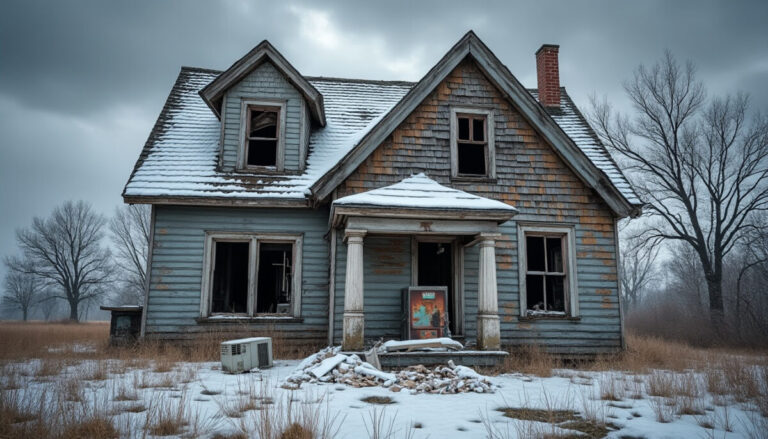
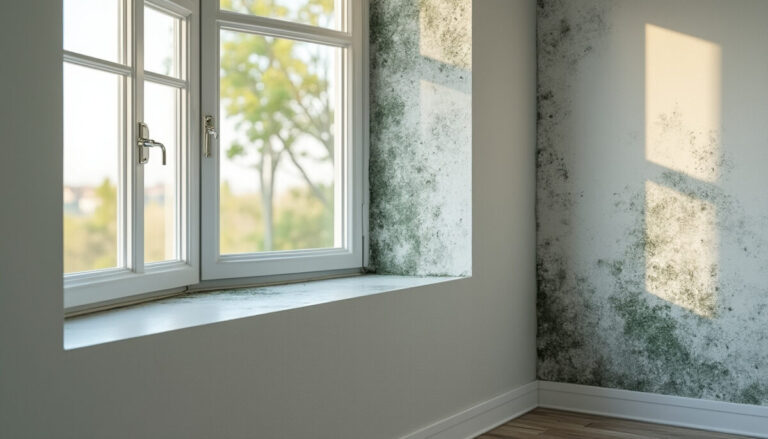
Houses built around 1900 often have walls made of stone, terracotta, or wood, which allow the walls to “breathe.” It is essential to avoid non-permeable insulation materials such as polystyrene, which trap moisture and cause deterioration and mold growth.
A thorough insulation assessment is essential. It reveals problem areas, particularly thermal bridges in houses built before 1900, and guides the implementation. Thermal insulation must be considered holistically to guarantee effective airtightness without damaging the building structure.
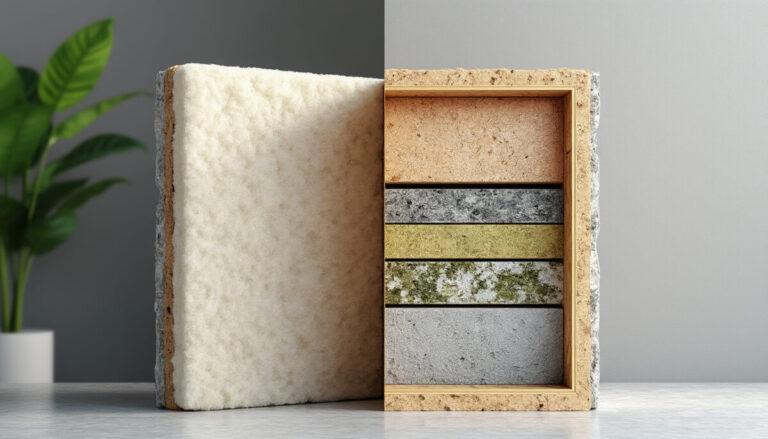
The best insulation materials for older homes are bio-based and offer flexibility in managing humidity: hemp wool, cellulose wadding, wood wool, or expanded cork. They combine high-performance insulation with preservation of the building’s heritage. As a craftsman I met during a renovation said, “A wall that breathes is a house that lives a long time.”
Insulating from the inside or outside: what are the choices for a 1900s house?
Exterior insulation offers the best thermal performance because it minimizes thermal bridging, but it may be unsuitable for older, protected, or decorated facades. In these cases, interior insulation becomes mandatory, but it must avoid blocking the walls’ breathability.
Using natural insulating lining, such as hemp wool panels or blown-in cellulose wadding, is effective provided that a smart vapor barrier and breathable finishes (mineral paints, lime plasters) are integrated. The goal is to insulate while allowing water vapor to pass through.
3 steps to avoid common mistakes when insulating an old house
- Insulation diagnosis : Call in a professional equipped with an infrared camera to precisely locate heat leaks and thermal bridges.
- Choice of materials : Promote natural insulation materials suitable for old buildings, compatible with good moisture management.
- Careful implementation It is essential to treat the joints and ensure adequate ventilation to prevent condensation and mold.
Below is a comparative table of the main natural insulation materials suitable for houses built in the 1900s:
| Material | Thermal conductivity (W/m.K) | Benefits | Boundaries |
|---|---|---|---|
| Hemp wool | 0.04 – 0.05 | Breathable, soundproof, natural | Higher cost |
| Cellulose wadding | 0.038 – 0.040 | Environmentally friendly, good thermal lag | Sensitive to direct moisture |
| Wood wool | 0.038 – 0.045 | Durable, humidity control | Sometimes significant thickness |
| Expanded cork | 0.037 – 0.042 | Water-repellent, rot-proof | High price, more technical installation |
Investing in bio-based materials maximizes energy efficiency while respecting the character of existing buildings. They are key to avoiding insulation errors and guaranteeing comfort and durability.
Properly managing thermal bridges in a 1900s house to improve energy efficiency
Thermal bridges are often a major source of heat loss and must be carefully addressed. These areas, such as window frames, floors, or roof-wall junctions, create cold spots where condensation promotes mold and deterioration.
To address these issues, you can: improve window insulation with double glazing suitable for older buildings, extend interior insulation at the junctions, or apply selective exterior insulation where the facade allows. A precise, additional thermal assessment remains your best ally.
Working with experts and optimizing financial aid 2026
For a successful renovation, it is essential to choose a RGE-certified craftsman specializing in older homes. Their expertise guarantees the proper implementation of appropriate techniques and materials.
In 2026, several subsidies will financially boost your project: MaPrimeRénov’, Energy Savings Certificates (CEE), a reduced VAT rate of 5.5%, and local aid to enhance property value while promoting energy-efficient renovations. These programs facilitate access to effective and high-performance insulation methods.
Common mistakes and how to avoid them for lasting insulation
- Do not carry out a precise insulation diagnosis before work begins.
- Use impermeable insulation materials such as polystyrene that block the walls from breathing.
- Neglecting to address thermal bridges in a 1900s house.
- Forgetting about ventilation, which is essential to prevent indoor humidity.
- Ignoring the specific characteristics of old buildings when selecting materials.
A successful energy renovation relies on an effective insulation method that incorporates these key points. My article will help you understand them clearly, avoid pitfalls, and enhance your project.
If your house has solid stone walls, prioritize natural insulation and ventilation. If the facades are protected, opt for interior insulation while maintaining humidity levels.
Why is a thermal diagnosis essential for insulating a house built in 1900?
It highlights heat loss and thermal bridges, allowing work to be precisely targeted without waste.
Which natural insulation materials are best for an old house?
Hemp wool, cellulose wadding, wood wool and expanded cork are recommended for their breathability and effectiveness.
Is it possible to insulate a house with an old facade from the outside?
This depends on local regulations and the condition of the building; often interior insulation is preferable to preserve aesthetics.
What are the risks of poor insulation in an old house?
Humidity, mold, building deterioration and poor energy performance, leading to discomfort and high costs.
What financial assistance is available for this work?
MaPrimeRénov’, CEE, reduced VAT rate and local subsidies are the common schemes in 2026.
Thank you for your interest; Claude