Isolation: window closed, loss hidden anyway
Hi, Claude here. Even with the window closed, an air leak, cold glazing, or a thermal bridge can let heat escape. Before investing in new equipment, a few simple checks can help identify the source of this heat loss. Targeted measures can improve comfort without blocking ventilation.
Things to do right away
- Check for drafts around the frame and opening sash, without bringing a flame near them.
- Inspect the seals: if they are compressed, detached, or hardened, they may compromise the airtightness.
- Close the shutters and curtains at dusk, then open them during the day.
- Check the roller shutter box, which may conceal an air leak.
- Keep ventilation grilles clear to refresh the air and limit humidity.
A thermal curtain can reduce the sensation of cold glass, while a draft should first be dealt with using suitable weatherstripping. To learn more, discover tips on thermal insulation with curtains and how to spot a thermal bridge in your home.
Why does a closed window let heat escape?
The glazing, window frame, and quality of installation all contribute to insulation. Single glazing cools a room more than high-performance double glazing, but worn seals or poor installation can also cause heat loss, even with a recent window.
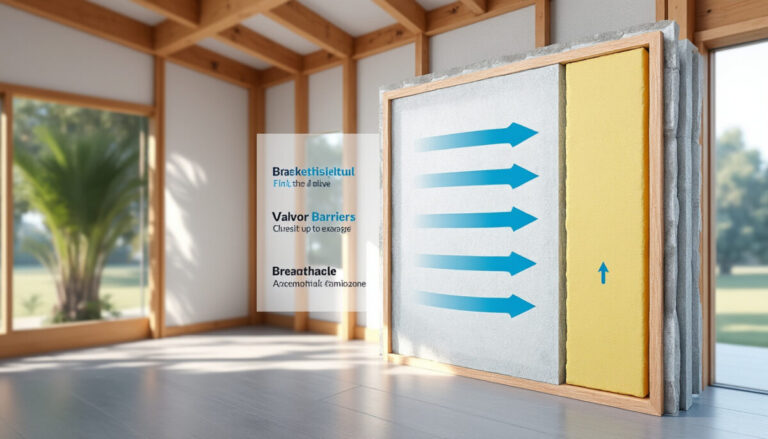
The Uw coefficient indicates the thermal transmittance of the window as a whole: the lower it is, the better the insulation. However, a good advertised rating cannot make up for poor airtightness or a badly finished connection between the frame and the wall.
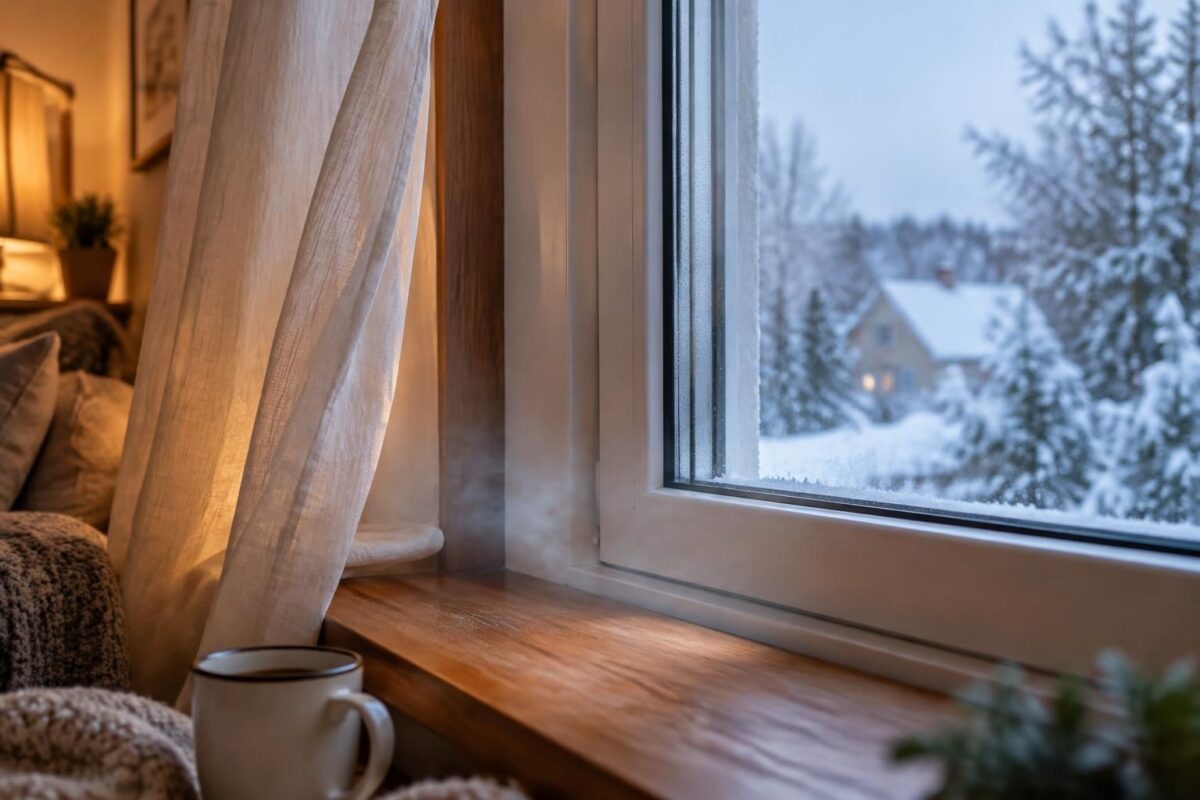
The feeling of a cold surface is not always caused by heat escaping through the air. A cold glass surface can cause discomfort nearby, while persistent condensation may indicate excess humidity or insufficient ventilation. It’s worth distinguishing between these causes before choosing a solution.
Signs to look for around the frame and glazing
- A noticeable draft near the opening sash or shutter box.
- Cracked, compressed, or detached seals.
- Frequent condensation on the glass, or frost in very cold weather.
- A marked temperature difference between the edge of the window and the rest of the room.
Windows account for a significant share of a home’s heat loss. A figure of around 14% is often cited, but the proportion varies depending on the building, its climate, and the condition of the other walls and surfaces: this figure alone cannot diagnose poor insulation.
Which solution should you choose to limit heat loss?
The right measure depends on where the heat is escaping. Seals and weatherstripping address air leaks; curtains, films, and shutters add protection on the glazing side. Window coverings improve comfort, but they do not turn an old window frame into a highly insulated window.
| Solution | Effective against | What to check |
|---|---|---|
| Replacing the seals | Drafts around the opening sash | The frame material and the size of the gap |
| Thick lined curtain | The feeling of cold glass, especially in the evening | Adequate coverage without blocking the radiator |
| Removable insulating film | Some of the heat transfer through single glazing | Careful installation and possible replacement |
| Shutters closed at night | Heat loss through the window when the temperature drops | A complete closure and a mechanism in good condition |
| Draft stopper | Cold air beneath a patio door | Consistent contact with the threshold |
A thick, well-fitted curtain hung close to the glazing creates a layer of air that reduces the feeling of cold. Close it at dusk, then open it in the morning to enjoy the light and solar heat. If there is a radiator beneath the window, the fabric should not cover it: heat needs to be able to circulate.
Shutters and curtains can work together. However, the energy savings depend on the condition of the home and heating habits; no single solution guarantees the same results everywhere. In a rental, curtains and removable coverings are generally easy to install, while replacing a window requires the owner’s approval.
A three-step method to take the right action
- Locate the problem. In cold weather, inspect the seals, glazing, and shutter box. Note whether you feel a draft or just a cold surface; these are different problems.
- Deal with leaks first. Replace damaged seals or have the connections checked if air is getting through between the frame and the wall. Never block air inlets: good airtightness must remain compatible with effective ventilation.
- Add suitable protection, then reassess. Try the shutters, a lined curtain, or a film designed for the glazing in question. If the frame is warped, leaks persist, or condensation remains significant despite proper ventilation, seek several professional opinions.
For example, in a bedroom with single glazing, replacing a detached seal and then closing a thick curtain in the evening can make the sleeping area more comfortable. If the whole room remains cold, you should also check the walls, roof, and floor: reducing energy use often requires looking at the home as a whole.
Useful questions about insulating a closed window
Is a thick curtain enough to insulate a window?
No. It mainly reduces the feeling of cold glass and complements seals or shutters, but it does not replace a high-performance window.
Should you keep the curtains closed all day?
Generally, open them during the day to let in light and solar heat, then close them when the temperature drops.
Does condensation prove that a window is poorly insulated?
Not necessarily. Cold glass can encourage condensation, but high humidity or insufficient ventilation may also explain it.
Can you weatherstrip a window safely?
Yes, as long as you address leaks around the frame without blocking the ventilation grilles. Ventilation remains essential for refreshing indoor air.
Thanks for reading! If this topic resonates with you, share your experience in the comments. — Claude