Insulation: before insulating, consider this critical point
Hi, this is Claude. Before insulating, it’s absolutely essential to install the electrical wiring to avoid thermal bridges, which can reduce thermal performance by up to 30% and risk creating dampness. This critical point is often overlooked, yet mastering the order of work directly impacts your energy savings and the durability of your insulation. Do this immediately: check the electrical plan, run the conduits along the bare walls, and then start the insulation. To learn more about the checks to perform before insulating, take a look at the essential advice on [website/platform name]. 10 checks before insulation and discover the best methods for insulate your interior walls.
Electricity before insulation: the critical point that changes everything
Before installing your insulation, you must plan all the electrical wiring. Piercing the insulation afterward creates thermal bridges, often leading to… 30% energy lossThese holes facilitate moisture infiltration, leading to mold and the degradation of insulation materials. A preliminary assessment is crucial to anticipate these problems. Insulation materials must be installed on a clean, continuous surface, free from interruptions caused by electrical wiring. By following the correct order—wiring, airtightness testing, insulation installation—the project achieves lasting thermal performance and delivers significant long-term energy savings.
This needs to be done immediately for a smooth construction project.
- Validate your electrical plan before insulation, including sockets, switches and lighting.
- Installs ICTA conduits and recessed boxes on bare walls.
- Hire a professional for an inspection that complies with NF C 15-100 standards.
- Use airtight housings and EPDM sleeves to seal passages and prevent air leaks.
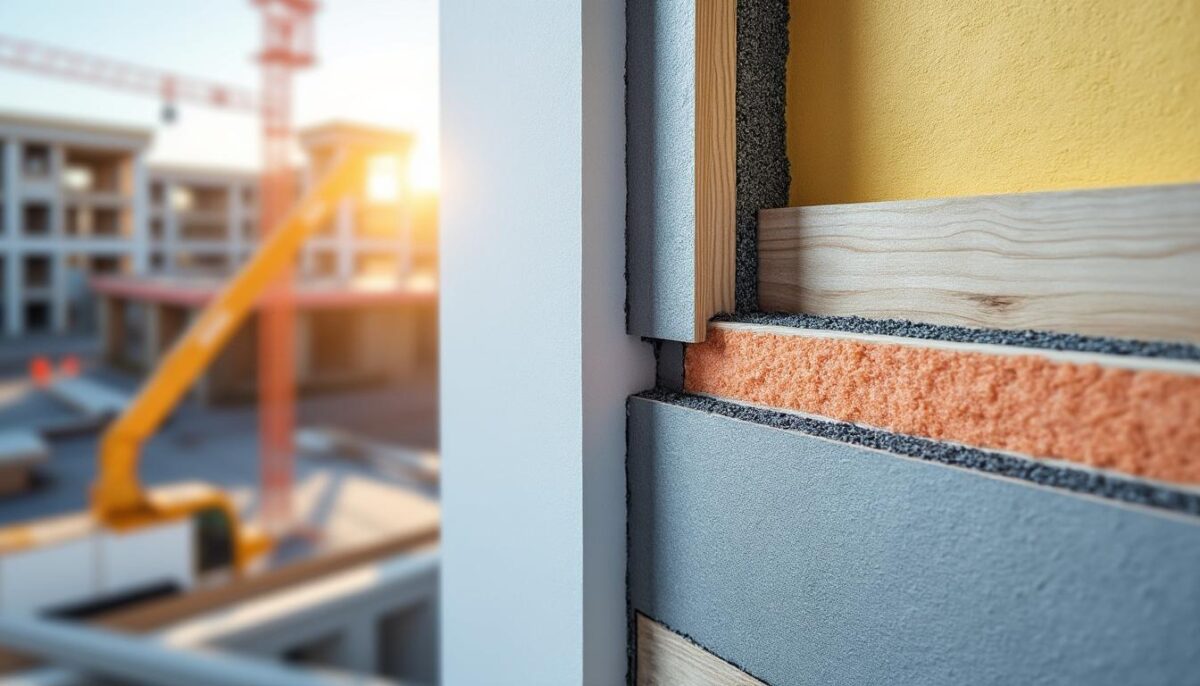
- Then install the insulation without drilling, guaranteeing the integrity of the thermal barrier.
These steps reduce the risk of thermal bridges and protect your insulation and your home.
Quick examples to properly situate the problem
If it’s an electrical installation installed after the insulation: You risk excessive energy consumption, repair work costing between €15 and €25/m², and walls deteriorating due to humidity.
If it was installed electrically beforehand: The insulation remains intact, you benefit from enhanced airtightness, and therefore a much better overall thermal performance.
How to plan your electrical work before insulating? Three simple steps
- Develop a detailed electrical plan, taking into account all current and future needs. Consider outlets near furniture, lighting, and special equipment.
- Step 2: Run electrical cables and install sockets and switches on bare walls without insulation. Use airtight solutions to maintain performance.
- Step 3: Have the wiring checked by a professional to obtain a certificate of conformity. This check prevents the risk of short circuits and ensures safety before the insulation is installed.
This simple procedure prevents turning a construction site into a costly nightmare and gives you every chance for successful insulation.
Compare installing electricity before and after insulation
| Criteria | Electricity BEFORE insulation | Electricity AFTER insulation |
|---|---|---|
| Thermal performance | Optimalno thermal bridge created | Degradedup to 30% loss of efficiency |
| Cost | Controlled cost, included in the initial phase | Significant additional cost15-25 €/m² to repair the perforations |
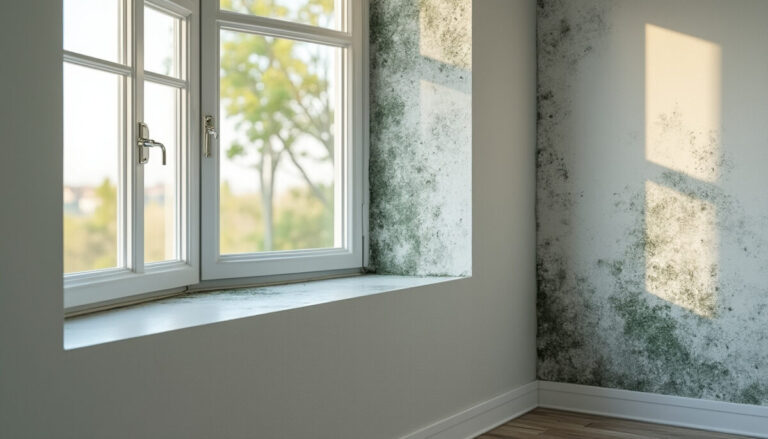
| Air quality | Guaranteed watertightno unwanted air leaks | Significant risks condensation and mold |
| Complexity of work | Simple and clean, work on bare walls | Complex and riskydelicate finishes with insulation in place |
What if the insulation is already installed?
Sometimes, an electrical oversight is discovered after the insulation has already been installed. Fortunately, solutions exist without sacrificing thermal performance:
- Install technical baseboards to conceal surface cables.
- Seal the passages with EPDM elastic sleeves to maintain good airtightness.
However, these tips are secondary and often increase costs. For an environmentally friendly and sustainable construction project, the best option remains electrical planning before installing insulation.
Why is it absolutely necessary to install the electricity before the insulation?
Because this avoids the creation of thermal bridges, limits heat loss and protects airtightness, which optimizes your thermal performance and reduces your heating budget.
What are the consequences of forgetting this step?
You risk heat loss of up to 30%, mold growth due to humidity, and significant additional costs to repair the damaged walls.
Can sockets be added after insulation has been installed?
It is possible with solutions such as technical baseboards or waterproof boxes, but it is more expensive, creates heat loss and degrades the aesthetics.
What materials should be favored to limit thermal bridges?
Airtight electrical boxes and EPDM sleeves to seal penetrations in the insulation ensure better thermal performance.
How can I tell if my electrical installation meets the standards?
By requesting a NF C 15-100 compliance report from a professional to validate the correct order of work and the safety of your installation before the final installation of the insulation.
Thank you for your interest; Claude