Energy: small home, large losses, common mistake
Hello, it’s Claude. To reduce energy losses in a small dwelling, first identify air leaks, then address insulation and ventilation together. A small space is not necessarily economical: a poorly fitted window or a cold wall can quickly affect comfort and the energy bill. The common mistake is to insulate without checking how air flows. A few simple steps can already make a difference, before considering a more significant energy renovation.
To do immediately
Start by observing the places where heat loss is most likely: windows, front door, exterior walls and ducts. To complete this spotting, consult these tips on the identification of energy losses and the isolation mistakes to avoid with a small budget.
- Put your hand near windows and doors to feel drafts.
- Close the shutters in the evening and check the condition of the seals.
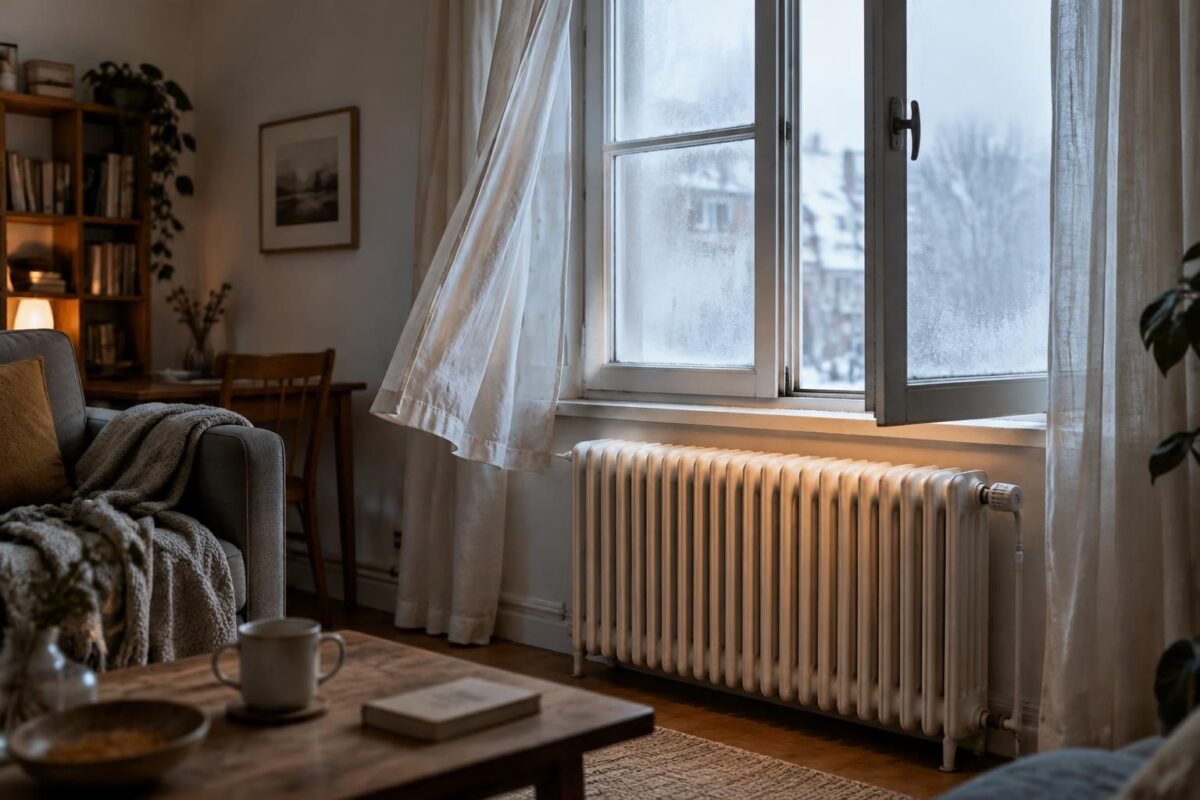
- Dust the radiators and do not block their heat with furniture.
- Lower the heating by a few degrees at night rather than turning it off completely.
- Ventilate briefly, with windows wide open, then close them to limit heat losses.
Why a small dwelling can lose a lot of energy
In a compact space, every cold area stands out quickly. Poor thermal insulation, thermal bridges around windows, or a door that lets air through can make heating ineffective, even if the dwelling is small.
Heating and hot water can account for up to about 75% of energy expenses, depending on the dwelling and its equipment. A rise in consumption does not always come from an energy-hungry appliance: heat can simply escape faster than it is produced.
The places to check first
Look at the window seals, the corners of exterior walls, and the joints between walls and ceiling. An abnormally cold surface or a small trace of moisture may indicate a defect to examine.
Attics are often a priority in a house, but in an apartment, exterior walls and windows may be more relevant. The order of work depends on the dwelling’s layout: a diagnosis helps avoid spending in the wrong place.
| Point to check | Possible indicator | Useful action |
|---|---|---|
| Windows and doors | Draft or damaged seal | Repair or replace the seals |
| Exterior walls | Cold wall, localized mold | Have insulation and thermal bridges checked |
| Ventilation | Persistent condensation, heavy air | Clean the air inlets and check the system |
| Heating | Cold room despite a warm radiator | Check settings and maintenance |
The common mistake: insulating without addressing ventilation
Strengthening insulation reduces involuntary air exchanges. But if ventilation is insufficient, humidity can accumulate and promote condensation or mold. Poor ventilation harms comfort and can reduce the expected benefits of the works.
So you must think of the home as a whole: insulation, heating, and air renewal must work together. “A tighter house must also breathe better.” Before sealing an air inlet, check the ventilation’s operation or seek advice from a professional.
Two situations to distinguish
If you mainly notice a draft near a window, start with the seals and the closing adjustments. If you see condensation or mold, check the ventilation before adding another layer of insulation.
A tenant of a small apartment first installed seals around her window, then had the room’s blocked air intake cleaned. The draft decreased without making the indoor air more humid.
A three-step process to act without wasting energy
- Step 1: observe. Note the cold rooms, the drafts, the condensation and the periods when the heating runs for a long time. Also compare your bills over several months, taking into account the weather and your habits.
- Step 2: fix the simple actions. Repair accessible seals, free up the radiators, adjust the heating according to your schedule and keep the ventilation grilles clear. These actions are inexpensive and help better identify the problem.
- Step 3: have it checked before the works. If discomfort persists, request a diagnostic tailored to the dwelling. A professional can examine the thermal insulation, the thermal bridges, the ventilation and the sizing of the heating before proposing an energy renovation.
Choosing renovations suited to the dwelling
In an apartment, replacing a window or insulating a wall may depend on co-ownership rules or the owner’s approval. If you are a tenant, start with reversible solutions and report to the landlord the important defects, especially in case of persistent humidity.
Thick curtains can limit the feeling of a cold wall, but they do not replace defective insulation. Likewise, a heat pump or a high-efficiency boiler will not perform at its best if it is poorly sized or if the dwelling loses heat quickly.
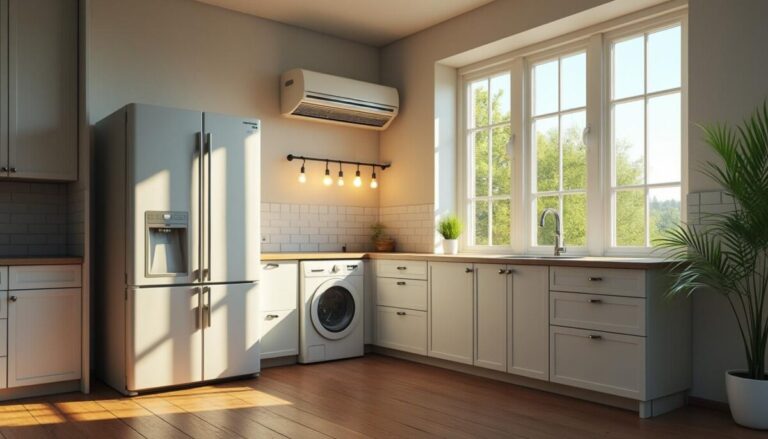
Heating and hot water expenses often weigh the most, but their share varies according to usage and equipment. LED lights, turning devices off when not in use and eco cycles on the washing machine complement the works: these actions do not fix a major leak, but they help avoid unnecessary consumption.
Aids can lighten the budget
Depending on the works, income and current conditions, programs like MaPrimeRénov’, energy savings certificates, or the zero-interest eco-loan can help finance. Check the criteria before signing a quote and favor a qualified professional when the program requires it.
The right reflex remains to address the causes in the right order: identify, correct, then invest. In a small dwelling, a targeted intervention can improve comfort without launching disproportionate works.
Useful questions about energy losses in a small dwelling
Should you cut the heating at night?
In general, it is better to lower the temperature by a few degrees rather than turning off the heating completely. The appropriate adjustment depends on insulation, the system and your habits.
How to identify a thermal bridge?
A zone of wall that is clearly colder, condensation or localized mold can give a clue. A professional can confirm the origin of the problem and propose an appropriate solution.
Can insulating a dwelling worsen humidity?
An insulation done without appropriate ventilation can favor the accumulation of humidity. It is therefore necessary to check the air renewal at the same time as the insulation.
What is the first action if the energy bill increases?
Compare the usages and bills, then look for drafts, mismatched settings and signs of humidity. If the increase persists, request a diagnosis before undertaking major works.
Thank you for your interest; Claude